Kremlin Affirms India's Freedom to Choose Oil Suppliers


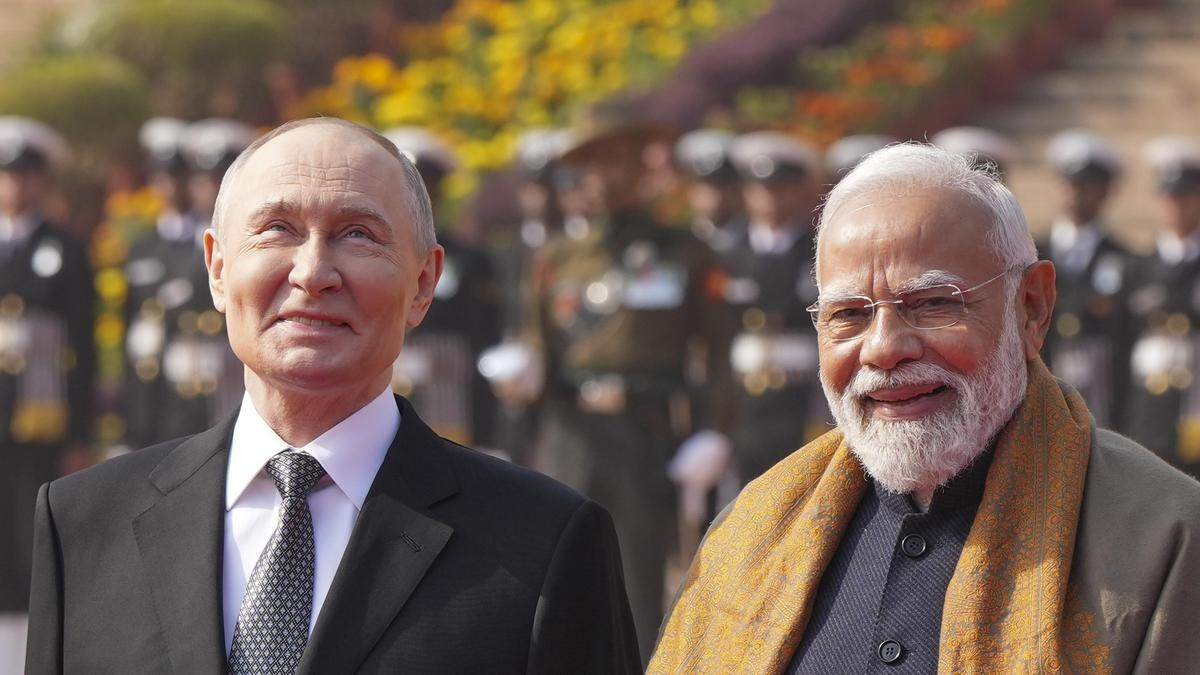
The Kremlin declared on February 4, 2026, that India retains the freedom to procure oil from various countries, a statement underscoring the nation’s historical efforts to diversify its crude supply sources. The comment from Kremlin Spokesman Dmitry Peskov was issued in response to U.S. President Donald Trump's assertion that Indian Prime Minister Narendra Modi had purportedly agreed to cease buying Russian oil.
Peskov stated, “We, along with all other international energy experts, are well aware that Russia is not the only supplier of oil and petroleum products to India. India has always purchased these products from other countries. Therefore, we see nothing new here.” His remarks come amid ongoing discussions about energy trading dynamics between India and both Russia and the United States.
India has historically relied on diverse sources for its oil imports, which constitute approximately 88% of its total consumption. Following Western sanctions imposed on Russia after its invasion of Ukraine in 2022, India increased its Russian crude imports significantly, reaching over two million barrels per day at certain points in 2025 due to discounted prices. This association between India and Russian oil has remained prominent since late 2022.
As the dialogue over energy sourcing evolves, Russian energy officials have asserted that they have not received any formal notification from India regarding any decision to discontinue Russian oil purchases. Foreign Ministry Spokesperson Maria Zakharova emphasised that the hydrocarbons trade benefits both nations, contributing to stability in the global energy market. She stated, “We remain convinced that India’s purchase of Russian hydrocarbons is beneficial to both countries.”
Despite Trump's claims, Indian officials have not disclosed any firm agreements regarding a reduction or cessation of Russian oil imports. Ministry of External Affairs spokesperson Randhir Jaiswal pointed out that India's energy security is a paramount priority, and decisions regarding sourcing will evolve based on market conditions. He noted, “All of India’s decisions are taken and will continue to be taken with this objective in mind.”
Experts have voiced caution about the feasibility of India significantly reducing its Russian crude imports. Igor Yushkov from the National Energy Security Fund remarked that U.S. shale oil, while light in grade, may not fulfil the requirements of Indian refineries, which traditionally process heavier, sulphur-rich Urals crude from Russia. Yushkov explained, “America won't be able to cover that volume … a simple substitution won't be possible.”
Recent data has shown a drop in India’s Russian oil imports, falling to approximately 1.1 million barrels per day by mid-January compared to over two million in prior months. This decline aligns with the U.S. imposing tariffs on Indian goods, which include a 25% levy on Russian energy transactions.
Additionally, Indian officials have expressed a willingness to explore sourcing oil from Venezuela, a country that has historically been a partner in energy trading. However, imports from Venezuela have been complicated due to reimposed sanctions. Jaiswal acknowledged the past collaborative efforts with Venezuelan oil producers and called for consideration of commercial merits in these dealings.
In conclusion, while the potential for diversification in India's oil imports exists, experts have argued that an abrupt shift away from Russian crude is economically and logistically challenging, as the country adapts to a complex geopolitical energy landscape.

ABVP Wins Majority in Delhi University Students' Union Elections
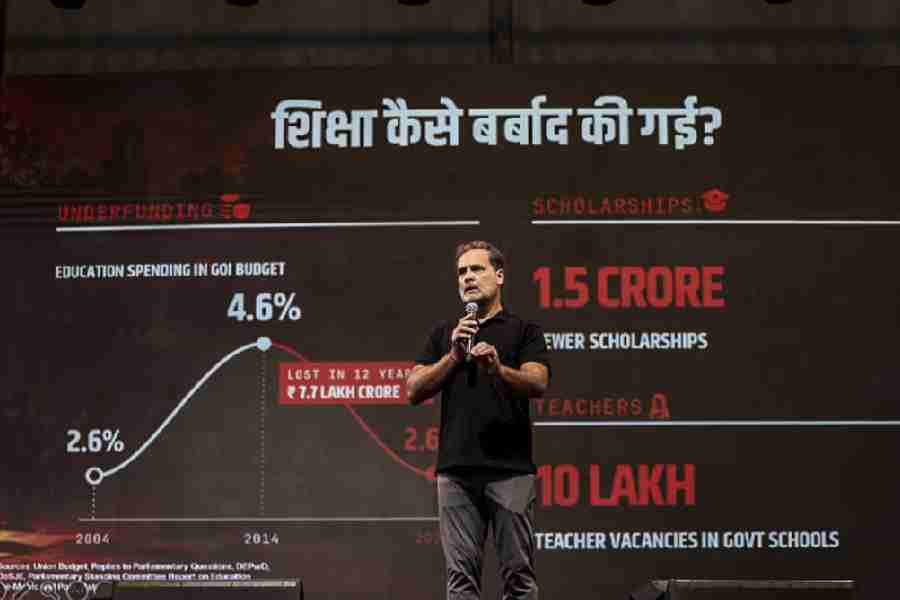
Rahul Gandhi Criticises Modi Government's Attitude Towards Students
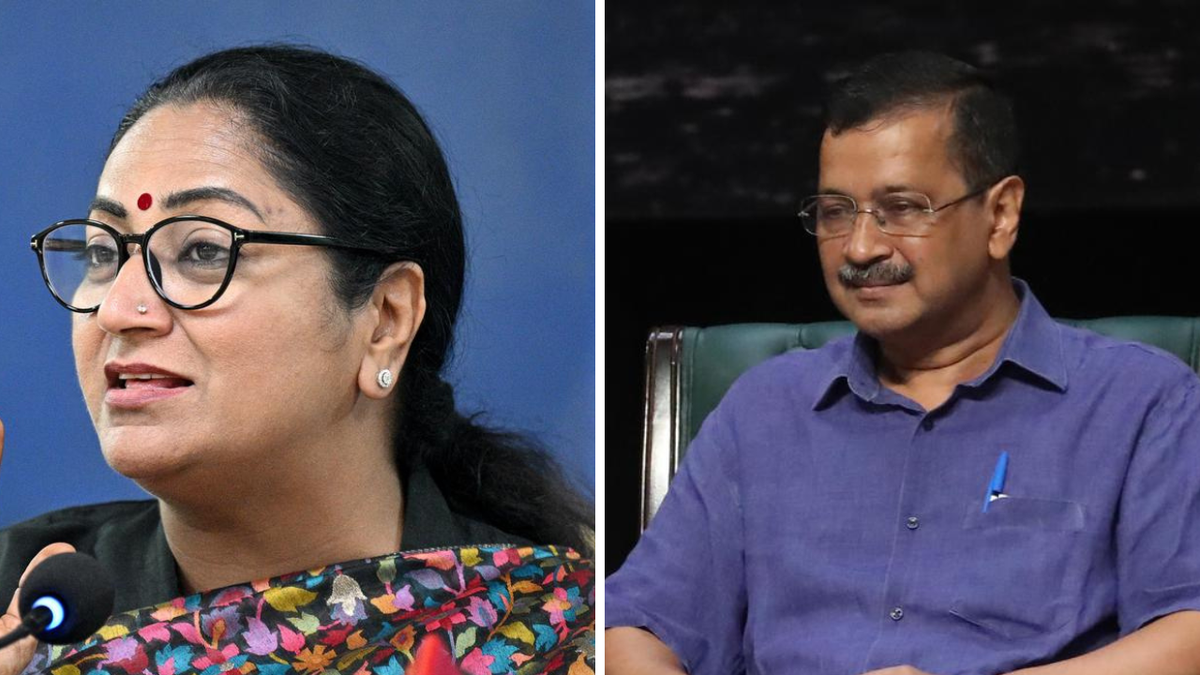
Delhi Chief Minister Faces Scrutiny Over Ongoing Notices

Former Union Minister Detained in Punjab Protest Against CM