India-US Trade Deal With 18% Tariff Reduction Expected by Mid-March


India and the United States are expected to sign a new trade agreement by mid-March that will reduce reciprocal tariffs to 18 per cent, a move both governments say is intended to deepen economic ties and significantly expand bilateral trade.
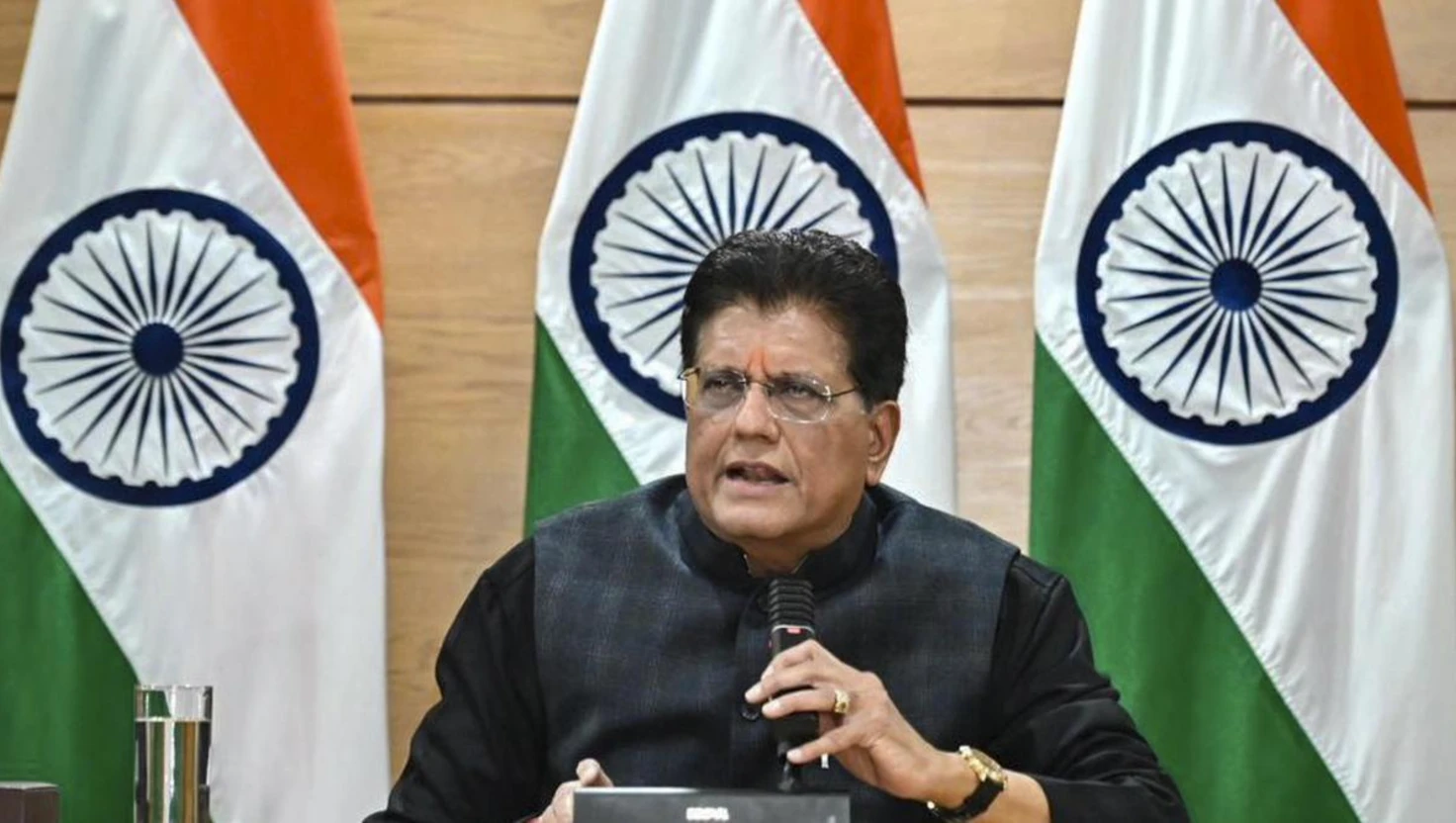
India’s Commerce Minister, Piyush Goyal, said on Thursday that the first legal tranche of the agreement is nearly complete and that a joint statement outlining the framework of the deal is likely to be issued within the next few days. He added that the formal signing of the agreement is expected to follow shortly afterwards.
Speaking to reporters in New Delhi, Mr Goyal said the agreement would support India’s long-term development strategy and strengthen domestic manufacturing, while also providing new opportunities for small and medium-sized enterprises. He said the revised tariff rate would be lower than that faced by most major exporters to the United States.
Tariff reductions and legal process
Under the proposed arrangement, the United States is expected to issue an executive order lowering tariffs on Indian goods to 18 per cent after the joint statement is released. Indian officials said the reduction would reverse steep duties imposed by Washington in August 2025, when tariffs on Indian exports were raised to 50 per cent as part of broader US trade measures.
India’s Commerce Secretary, Rajesh Agrawal, said the process on the Indian side required the signing of a legal agreement before any changes to tariffs could be implemented. He explained that while US tariffs can be adjusted through executive action, India’s most-favoured-nation tariff rates can only be altered once a formal agreement is in place.
According to Indian officials, the agreement will also allow India to lower tariffs on selected US goods after the legal framework is completed.
Energy, technology and import expectations
The proposed deal has drawn attention because of expectations that India will substantially increase imports from the United States in the coming years. Mr Goyal said India could import goods worth around 500 billion US dollars from the US over the next five years, reflecting the country’s rapid economic growth and rising demand for energy, technology and industrial inputs.
He said India’s expanding economy would require large volumes of energy, equipment for data centres, information and communications technology products, and steel. India’s steel production capacity, currently about 140 million tonnes, is expected to rise to roughly 300 million tonnes in the coming years, he added.
Mr Goyal also referred to planned and potential aircraft purchases from the United States, estimating that existing and future orders could amount to 70 to 80 billion US dollars, excluding engines and spare parts, which could add a further 100 billion dollars. He highlighted tax incentives announced in the national budget for data centres, saying that significant investment in this area would increase demand for imported equipment.
Clarifying earlier claims by the US president, Mr Goyal said India had not made any binding commitment to invest a specific sum in the United States. “We can clearly see the potential for procurement from the United States over the next five years,” he said, describing this as a natural outcome of India’s growth trajectory rather than a formal pledge.
Political reaction and domestic concerns
The announcement of the agreement has sparked political controversy in India, with opposition parties criticising the government for what they described as a lack of transparency in the negotiations. They have questioned the timeline for implementation and sought clarification on alternative sources of energy imports, particularly oil.
According to data cited by industry sources, India purchased nearly 21 million barrels of oil from Russia in 2025. Opposition leaders have raised concerns about how India would manage its energy needs if purchases from Russia were reduced, an issue that has featured prominently in parliamentary protests.
Disruptions in parliament have repeatedly interrupted debates on the trade deal. During a brief address to the lower house, Mr Goyal said the agreement would promote domestic manufacturing and design capabilities, and help revive a struggling micro, small and medium enterprise sector.
Officials involved in the negotiations said sensitive sectors such as agriculture, dairy and fisheries had been protected. They said India had not agreed to open these areas to US exports, citing the livelihoods of millions of farmers and workers who depend on them.
Officials also pointed to other trade agreements signed by India in 2025, including with the United Kingdom, the European Union, New Zealand and Oman, saying that no concessions were made in those deals that would harm vulnerable domestic sectors.
Broader trade ambitions
The agreement is widely seen as an initial step towards a more comprehensive bilateral trade pact between India and the United States. The two countries have set an ambitious target of increasing bilateral trade from about 191 billion US dollars at present to 500 billion dollars by 2030.
Indian officials said earlier negotiations had stalled because of US demands for greater access to India’s agriculture and dairy markets, which New Delhi had repeatedly rejected. Sources familiar with the talks said those demands remain off the table.
If completed as planned, the agreement would mark one of the most significant recent developments in India-US economic relations, at a time when both countries are seeking to strengthen supply chains and reduce trade frictions amid shifting global economic conditions.

ABVP Wins Majority in Delhi University Students' Union Elections
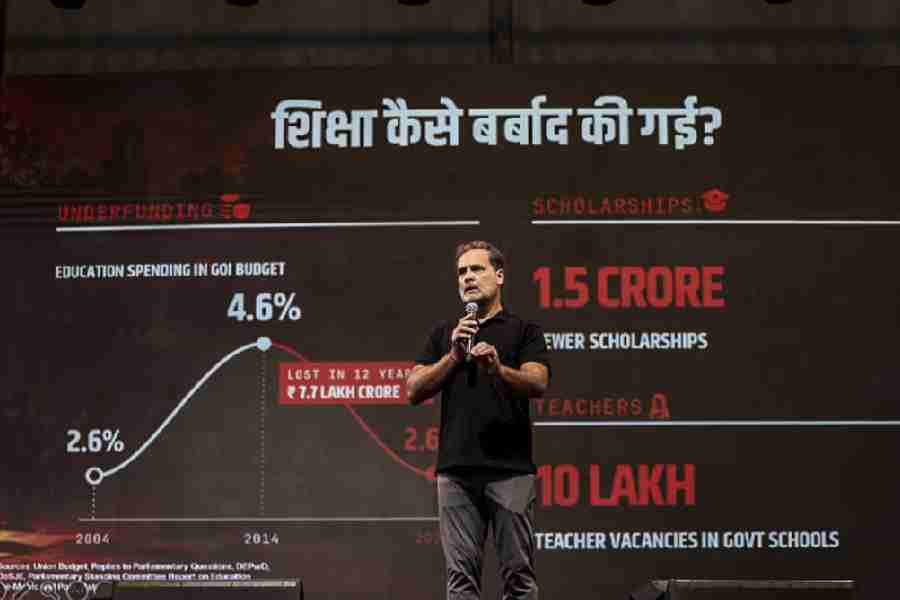
Rahul Gandhi Criticises Modi Government's Attitude Towards Students
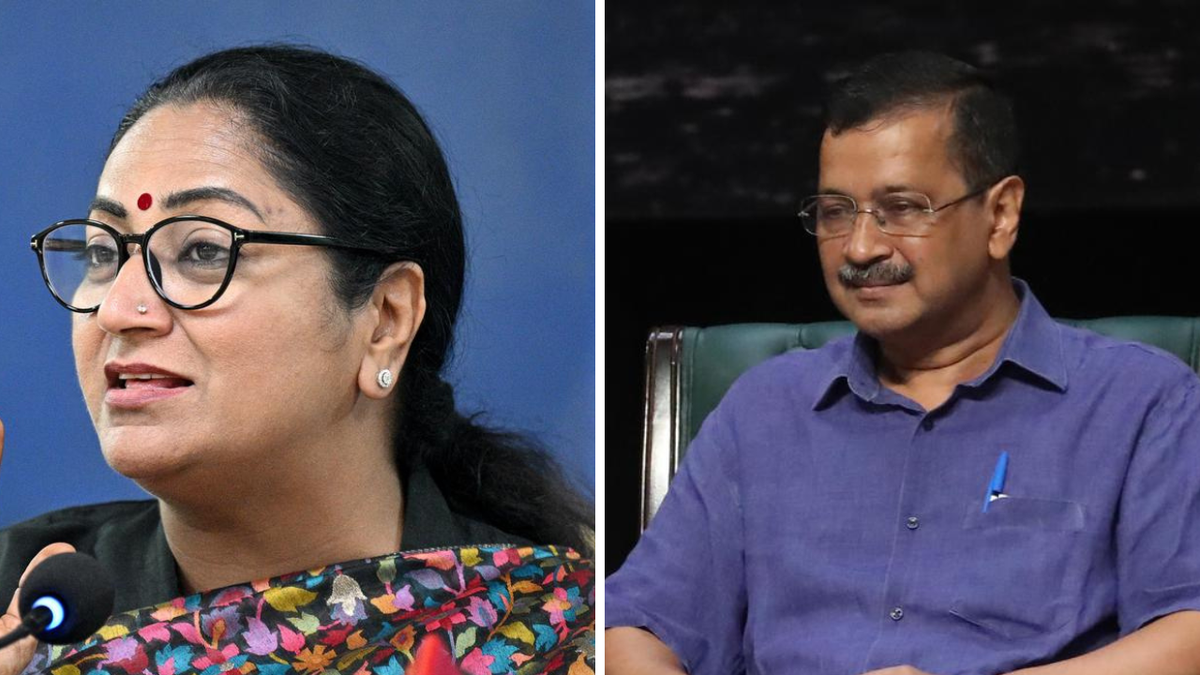
Delhi Chief Minister Faces Scrutiny Over Ongoing Notices

Former Union Minister Detained in Punjab Protest Against CM