Oil Supply Disruption: India Says Reserves Stable Amid Hormuz Closure


India is in what officials describe as a “reasonably comfortable position” regarding crude oil and gas supplies, despite escalating conflict in the Middle East that has affected one of the world’s most critical energy transit routes.
Government sources told Indian media that the country currently maintains approximately 25 days’ worth of crude oil reserves, alongside a similar volume of petroleum products in transit. The assessment comes after Iran announced the closure of the Strait of Hormuz, a narrow waterway through which around one-fifth of global oil supplies typically pass.
The disruption follows intensified hostilities between the United States and Iran, including air strikes attributed to the United States and Israel. In response, Iran’s Islamic Revolutionary Guard Corps said the strait had been closed to commercial traffic.
Ebrahim Jabbari, an adviser to the chief commander of the Islamic Revolutionary Guard Corps, warned that any vessel attempting to pass through the strait would face military action. “Anyone who wants to pass will be destroyed by fire,” he said, adding that oil exports from the region would be halted.
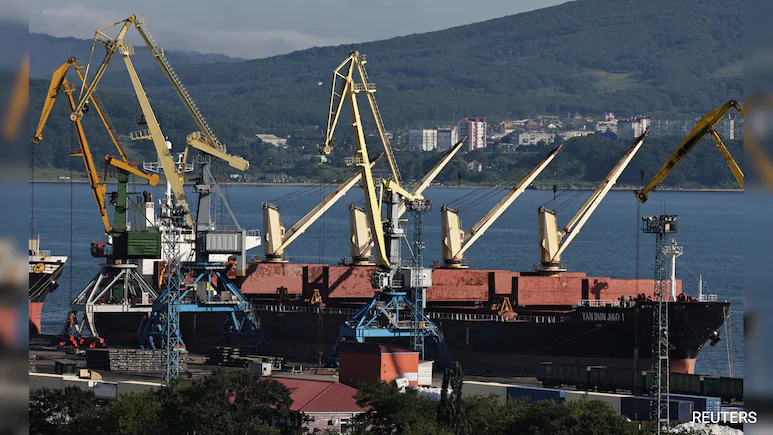
Shipping traffic through the Strait of Hormuz has sharply declined. According to reports, only a handful of tankers have managed to transit the route in recent days, compared with more than 100 vessels on a typical day. Hundreds of ships are now said to be stranded on either side of the waterway, while several vessels have reportedly been damaged.
Strategic reserves and diversified sourcing
India’s Minister of Petroleum and Natural Gas, Hardeep Singh Puri, told reporters that the country has sufficient reserves to manage short-term disruptions.
He said India calculates its energy reserves not only from its underground strategic petroleum caverns but also from stocks held at refineries. Strategic reserves are currently stored in facilities in the southern states of Andhra Pradesh and Karnataka, with additional capacity expected in Odisha.
Last month, Mr Puri informed the upper house of India’s parliament that the country’s strategic petroleum reserves could meet national demand for up to 74 days in the event of global turbulence.
According to officials cited by Indian news agencies, India’s total available inventory, including crude oil and refined fuels such as petrol and diesel, amounts to roughly eight weeks of supply.
The minister said India’s approach to energy policy is guided by what he described as a “trilemma” of availability, affordability and sustainability, aimed at ensuring stable supplies while protecting consumers.
Limited exposure to Hormuz route
Officials also emphasised that India’s exposure to the Strait of Hormuz is limited. Around 40% of India’s crude oil imports pass through the strait, while the remaining 60% are sourced through alternative routes and suppliers.
In recent years, India has diversified its energy imports to reduce vulnerability to regional disruptions. This includes increased purchases of discounted crude from Russia following Western sanctions linked to the conflict in Ukraine.
On Tuesday, Russia signalled it was prepared to support India with additional energy supplies if the Gulf crisis results in shortages. Reuters quoted sources as saying that Moscow stands ready to assist New Delhi in case of disruption.
Indian energy companies continue to import Russian crude under existing contracts, providing what officials describe as an additional buffer against supply shocks.
Preparedness measures
The Ministry of Petroleum and Natural Gas has established a round-the-clock control room to monitor fuel stocks and supply levels nationwide. Senior government officials and executives from state-owned oil marketing companies have reviewed contingency plans, according to Indian media reports.
Government sources said the priority remains ensuring uninterrupted fuel availability and safeguarding consumer interests. Officials also highlighted the welfare of nearly 10 million Indian nationals living and working in Gulf countries, whose safety could be affected by further escalation.
Global implications
The Strait of Hormuz is a strategic chokepoint between the Persian Gulf and the Gulf of Oman. Major oil-producing countries including Saudi Arabia, Iraq, the United Arab Emirates and Kuwait rely heavily on the route to export crude oil and liquefied natural gas to global markets.
A prolonged closure could lead to significant price volatility worldwide, increasing fuel costs and affecting economic stability in both importing and exporting countries.
Energy analysts say that while strategic reserves can cushion short-term disruptions, sustained blockages would strain global supply chains and push up international crude prices.
For now, Indian officials maintain that the country is well-positioned to manage immediate risks. “The government remains vigilant and prepared to respond to any potential disruption,” a ministry statement said, underscoring coordination with domestic and international partners to maintain energy security.
As tensions continue in the Gulf region, global markets are closely monitoring developments, with energy supply and shipping safety at the centre of international concern.
Kerala Initiates Probe into 2006 Suicide Case Involving CEC
Extradition of Sheikh Hasina Feasible, Says Indian High Commissioner

Punjabi Makeup Artist Mad Sandhu Shot Dead in Amritsar

India Achieves Fourth Place at Asian Games 2026 Through Late Success