India-Canada Uranium Deal and $50bn Trade Target Announced


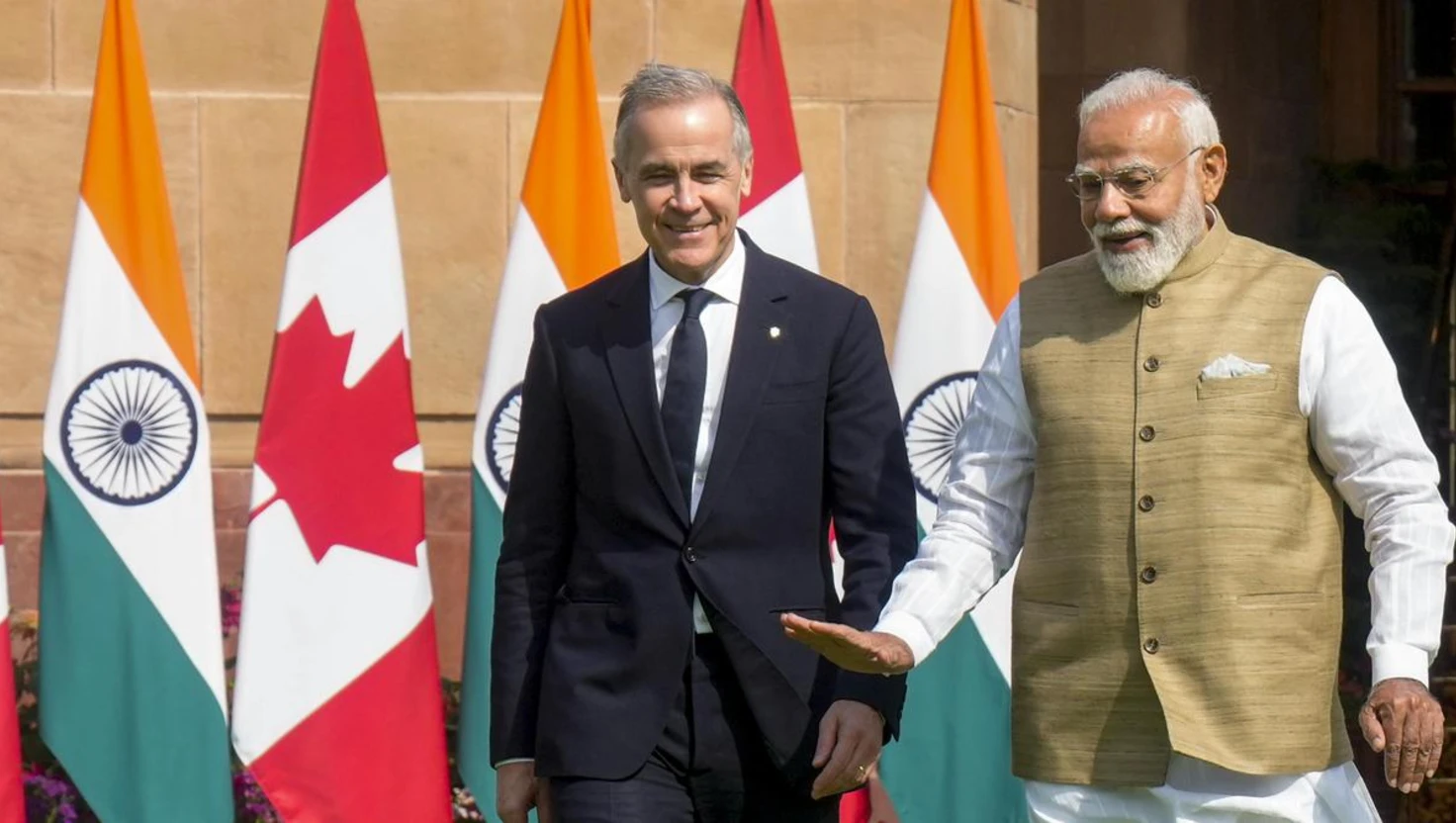
India and Canada have signed a long-term uranium supply agreement worth $2.6bn and set a target to raise bilateral trade to $50bn by 2030, following talks in New Delhi between Indian Prime Minister Narendra Modi and Canadian Prime Minister Mark Carney.
The agreements, announced on Monday, cover civil nuclear energy, critical minerals, defence cooperation and higher education, signalling a renewed push to strengthen ties after a period of diplomatic strain.
Expanding energy partnership
At the centre of the discussions was a landmark deal under which Canada will supply uranium to support India’s civil nuclear energy programme.
Prime Minister Narendra Modi said the two sides were building a “next-generation partnership” in the energy sector, spanning hydrocarbons, renewable energy, green hydrogen and energy storage. In civil nuclear energy, he said, a long-term uranium supply agreement had been concluded and both countries would also cooperate on small modular reactors and advanced nuclear technologies.
Canadian Prime Minister Mark Carney described the uranium accord as evidence of a shared commitment to reliable and cleaner sources of power. He said the two countries were launching a strategic energy partnership with significant potential to expand bilateral trade in energy.
The two governments also signed a memorandum of understanding on critical minerals. Canada has substantial reserves of minerals such as lithium, nickel and rare earth elements, which are essential for clean energy technologies, electric vehicles and advanced manufacturing.
Mr Carney said the new partnership would span development, processing and secure supply chains for clean energy and industrial use.
Trade target of $50bn by 2030
The leaders agreed to accelerate negotiations on a Comprehensive Economic Partnership Agreement, a proposed trade deal intended to lower barriers and promote investment.
“Our goal is to reach $50bn in trade by 2030. Unlocking the full potential of economic cooperation is our priority,” Mr Modi said in a media statement, adding that concluding the agreement soon would create new investment and employment opportunities in both countries.
Annual two-way trade currently stands at around $13bn, according to official figures.
Mr Modi also noted that Canadian pension funds have invested approximately $100bn in India, calling it a sign of confidence in India’s long-term economic growth.
Defence and security cooperation
In addition to economic ties, the two leaders agreed to strengthen defence and security collaboration. Mr Modi said the countries would enhance cooperation between defence industries, improve maritime domain awareness and increase military exchanges.
To formalise this effort, the two sides decided to establish an India-Canada defence dialogue mechanism.
On security issues, Mr Modi said both countries viewed terrorism, extremism and radicalisation as shared challenges. “Our close cooperation against these is crucial for global peace and stability,” he said.
The leaders also discussed the security situation in West Asia. Mr Modi said India supported resolving disputes through dialogue and diplomacy and would continue working with other countries to ensure the safety of Indian nationals in the region.
Education and academic partnerships
Education emerged as another key pillar of the renewed partnership.
Mr Carney announced that Canadian universities had launched 13 new agreements in India covering research collaboration, hybrid campuses and artificial intelligence centres of excellence. In a statement posted on social media, he said the initiatives would provide valuable international experience for students and strengthen institutions in both countries.
Among the projects is a new Centre of Excellence in Artificial Intelligence to be established in India by McGill University. The university said the centre is scheduled to open in May 2027 and will begin with an initial intake of 50 students, eventually expanding to around 200.
The centre is expected to offer a master’s programme combining academic study with applied learning and industry engagement, focusing on real-world technological challenges in the artificial intelligence sector.
Diplomatic reset after tensions
The renewed cooperation follows a period of strained relations between the two countries.
Ties deteriorated sharply in 2023 after former Canadian Prime Minister Justin Trudeau alleged a possible Indian link to the killing of Hardeep Singh Nijjar, a Sikh separatist leader, in Canada. India rejected the allegation as unfounded.
In October 2024, India recalled its high commissioner and several diplomats after Canadian authorities sought to question them in connection with the case. Canada responded with reciprocal measures.
Relations began to stabilise after Mr Carney, leader of Canada’s Liberal Party, won a parliamentary election in April last year. Since then, both countries have restored their high commissioners and resumed high-level engagement.
Last June, Mr Modi travelled to Kananaskis in Canada for the Group of Seven summit, where the two leaders held talks aimed at rebuilding trust and expanding cooperation.
Broader economic context
The push to deepen economic engagement comes at a time when Canada is seeking to diversify trade partnerships amid tense economic relations with the administration of United States President Donald Trump.
For India, closer ties with Canada offer access to energy resources and critical minerals that are important for its transition to cleaner energy and its ambitions in electric vehicles and advanced manufacturing.
Both leaders emphasised shared democratic values and a commitment to multilateral cooperation.
Mr Carney said the agreements marked the beginning of what he described as a new and prosperous phase in bilateral relations, offering long-term opportunities for businesses and workers in both countries while contributing to global climate goals.
With a $50bn trade target and new cooperation across energy, defence and education, India and Canada appear to be seeking a more stable and strategically aligned partnership after several years of diplomatic turbulence.
Kerala Initiates Probe into 2006 Suicide Case Involving CEC
Extradition of Sheikh Hasina Feasible, Says Indian High Commissioner

Punjabi Makeup Artist Mad Sandhu Shot Dead in Amritsar
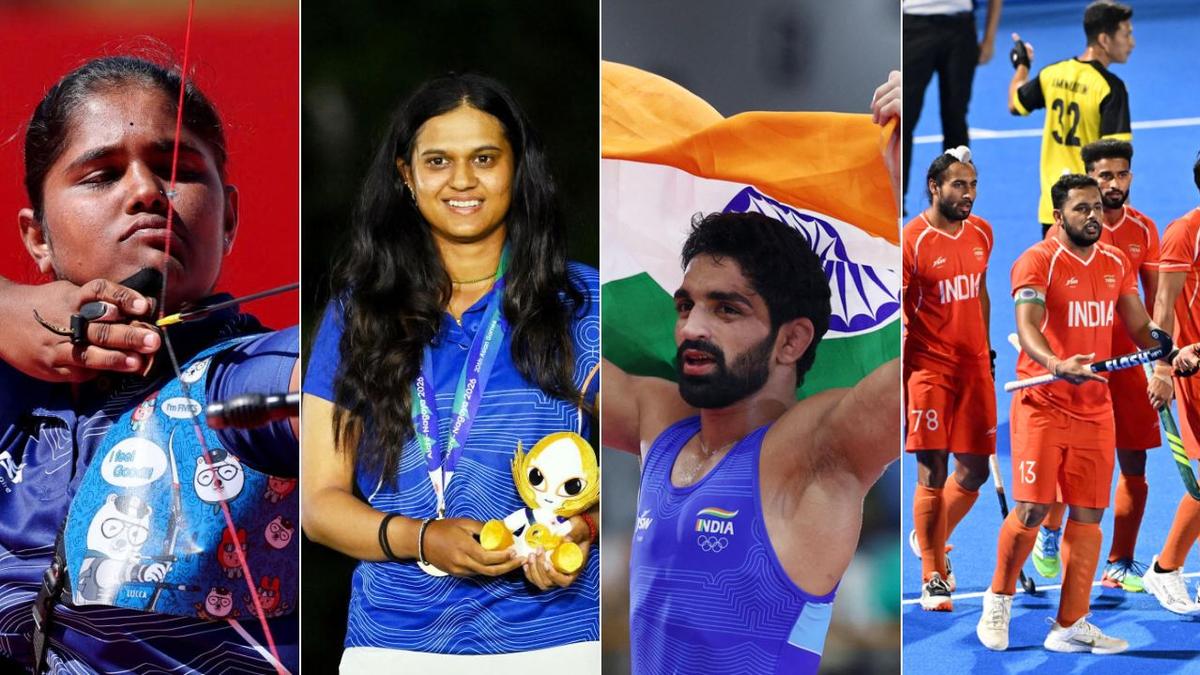
India Achieves Fourth Place at Asian Games 2026 Through Late Success