Oil Price Surge and West Asia Tensions Drag Indian Stock Markets Down for Third Day



Indian stock markets continued their decline for the third straight trading session as geopolitical tensions in West Asia and rising crude oil prices triggered widespread selling on Dalal Street.
Benchmark indices BSE Sensex and Nifty 50 ended the day sharply lower as investors reacted to global uncertainty and concerns over higher energy costs. The Sensex dropped nearly 1,000 points during the session, while the Nifty fell more than 300 points, reflecting broad-based weakness across sectors.
The sharp rise in global crude oil prices has been a major concern for markets. As one of the world’s largest importers of oil, India’s economy is particularly sensitive to higher crude prices, which can increase inflationary pressure and widen the country’s trade deficit. Investors fear that sustained high oil prices could slow economic growth and affect corporate earnings.
Market sentiment has also been affected by continued foreign investor outflows and weakness in global markets. Heavy selling in several large-cap stocks contributed to the overall decline, dragging benchmark indices lower and increasing volatility across the market.
The recent downturn has significantly reduced investor wealth, with market capitalisation on Indian exchanges falling sharply during the past few sessions. Analysts say the correction reflects both global risk factors and domestic concerns linked to rising costs and geopolitical uncertainty.
However, some market experts believe the steep fall may have pushed technical indicators into oversold territory. According to analysts, the Relative Strength Index (RSI) for the Nifty has slipped below key levels, which historically can signal the possibility of a short-term recovery.
Despite this, experts caution that a sustained rebound will depend on whether the market manages to stabilise and break above key resistance levels in the coming sessions. Factors such as movements in global crude prices, developments in West Asia and foreign investor flows will likely play a crucial role in determining the market’s next direction.
For now, analysts expect volatility to remain high as investors closely monitor global developments and their potential impact on the Indian economy and financial markets.

Ceasefire Agreed in Oleshky Amid Ukraine's Humanitarian Crisis
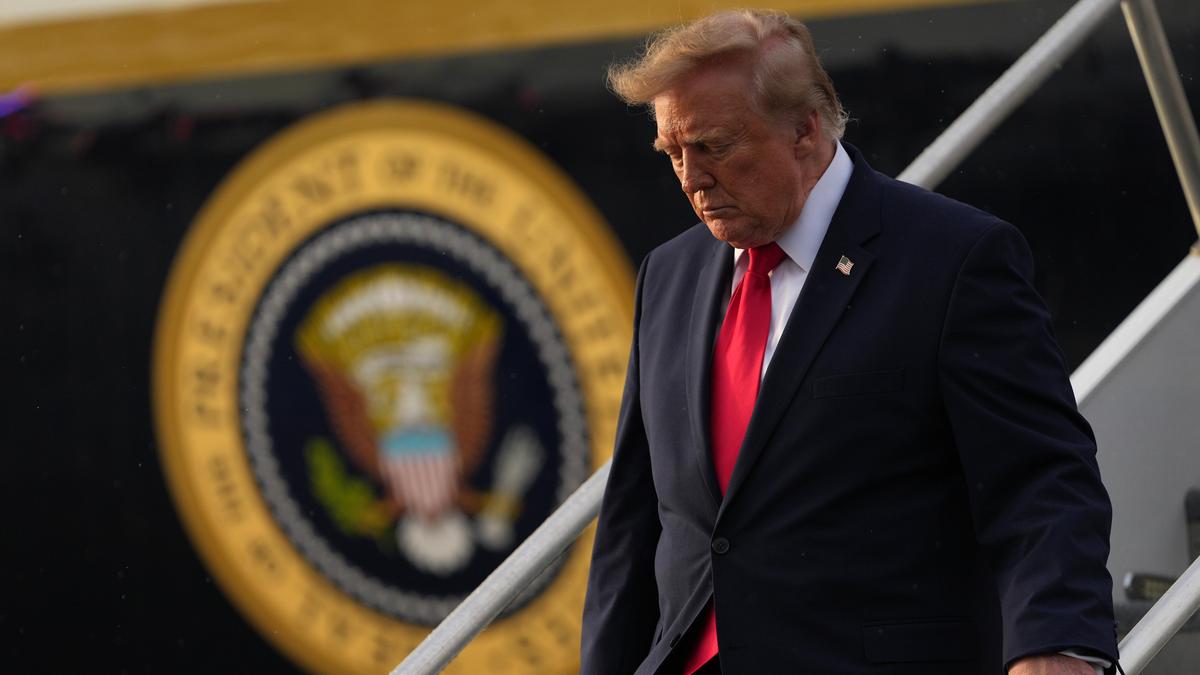
Donald Trump Hints at US Interest in Cuba After Conflict in Iran

UK Court Rules Against India in RAKIA Investment Dispute

India Raises Concerns Over Chinese Border Patrolling Deviations