Lok Sabha Speaker Om Birla Survives No-Confidence Motion


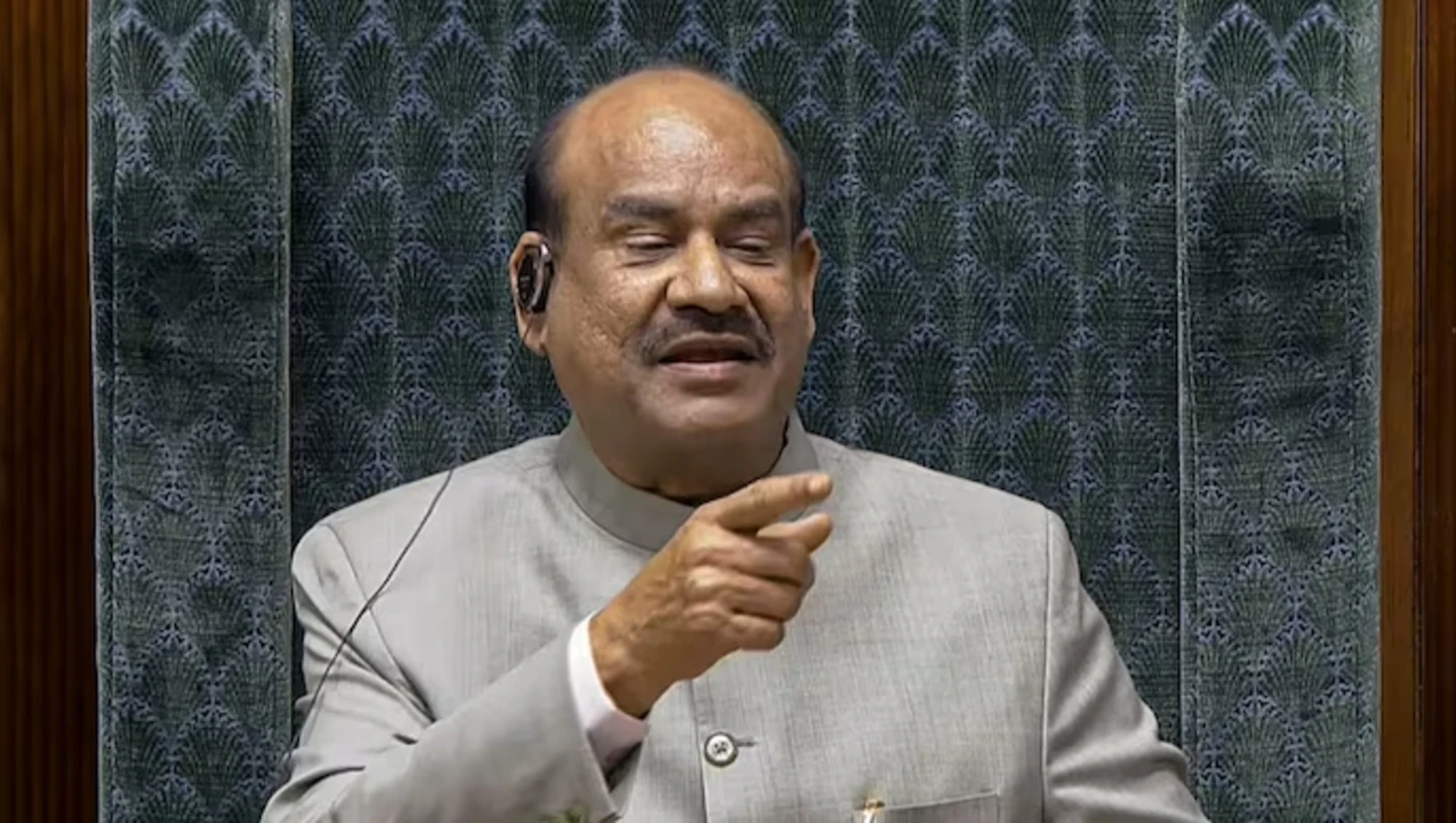
India’s Lok Sabha Speaker Om Birla has rejected accusations of partiality after a no-confidence motion brought by opposition parties against him was defeated in the lower house of parliament.
The motion was dismissed by a voice vote after a lengthy and contentious debate, with government ministers defending the Speaker’s conduct and opposition lawmakers criticising his handling of parliamentary proceedings.
Speaker responds after motion defeated
Returning to the Speaker’s chair a day after the vote, Mr Birla addressed the Lok Sabha and said he had always tried to conduct parliamentary business in a fair and rule-based manner.
He rejected claims that members of parliament were prevented from speaking during debates.
“A few accused me of stopping some MPs from speaking in Parliament. But I want to clarify that I always allow all MPs to speak, but under rules and regulations,” he said.
Mr Birla emphasised that parliamentary procedures apply equally to both the government and the opposition.
“Let us conduct the proceedings of this Lok Sabha according to the rules. These regulations are the same for everyone, for the Opposition and the Government alike,” he told lawmakers.
No-confidence motion and parliamentary debate
The no-confidence motion against Mr Birla was debated for several hours before being rejected in the chamber.
Jagadambika Pal, who was presiding over the Lok Sabha during the proceedings, announced the result amid protests and slogans from opposition benches.
He had asked opposition members to return to their seats for a formal vote, but disruptions in the chamber continued and the motion was ultimately rejected through a voice vote.
The proposal to remove the Speaker had been submitted in February by Gaurav Gogoi, deputy leader of the Indian National Congress in the Lok Sabha.
The notice invoked Article 94(c) of the Indian Constitution, which allows the removal of the Speaker through a resolution passed by the House.
Opposition complaints over parliamentary conduct
Opposition parties said the motion reflected their concerns about the Speaker’s conduct during recent parliamentary debates.
The dispute intensified after Rahul Gandhi, Leader of the Opposition and a senior Congress politician, was prevented from quoting from a book written by former Indian Army chief General Manoj Mukund Naravane.
Government members argued that the book had not yet been published and therefore should not be cited in parliamentary proceedings.
The issue triggered a confrontation in the chamber and led to accusations that opposition voices were being restricted.
Opposition lawmakers were also angered by the suspension of eight of their members for the remainder of the parliamentary budget session.
These developments contributed to the decision by opposition parties to submit the notice seeking Mr Birla’s removal.
Birla’s decision to step aside during debate
After the notice was filed, Mr Birla decided not to preside over proceedings relating to the motion.
Although parliamentary rules do not require the Speaker to step aside during such debates, he said he believed it was appropriate to do so while his position was under scrutiny.
“I always tried to run this House in an unbiased manner and according to the rules of the House,” he said.
“I immediately decided that I should not be part of the proceedings when the notice against me was served by the opposition.”
He returned to the chair only after the motion had been defeated.
Dispute over microphone control
One allegation raised during the dispute was that the Speaker had the ability to switch off microphones of opposition members during debates.
Mr Birla dismissed the claim, explaining that the system operates automatically once the presiding officer grants permission to speak.
“The Chair never has a button to switch the microphones on or off,” he said.
“The microphone is switched on only for the member who has been permitted to speak.”
He said the system ensures that debates follow parliamentary procedure and that multiple members cannot speak simultaneously.
Government defends the Speaker
Senior members of the government criticised the opposition’s decision to bring the motion.
India’s Union Home Minister Amit Shah described the move as regrettable and argued that the Speaker serves as a neutral guardian of parliamentary proceedings.
“According to the established history of this House, proceedings are conducted on the basis of mutual trust,” Mr Shah said during the debate.
“The Speaker represents both the ruling party and the Opposition.”
He added that bringing a motion for the Speaker’s removal was damaging to parliamentary traditions.
Context: rare motion in Indian parliament
A no-confidence motion against the Speaker of the Lok Sabha is rare in India’s parliamentary history.
According to Mr Birla, the recent debate marked only the third time since India’s independence that the lower house has discussed such a resolution.
The Speaker’s role is central to the functioning of India’s parliament, as the office is responsible for maintaining order during debates and ensuring that rules of procedure are followed.
Although the Speaker is usually elected from the ruling party or coalition, the position is expected to operate independently once elected.
The defeat of the motion means Mr Birla will continue to preside over the Lok Sabha as political tensions between the government and opposition remain high during the current parliamentary session.
Kerala Initiates Probe into 2006 Suicide Case Involving CEC

Extradition of Sheikh Hasina Feasible, Says Indian High Commissioner

Punjabi Makeup Artist Mad Sandhu Shot Dead in Amritsar
India Achieves Fourth Place at Asian Games 2026 Through Late Success