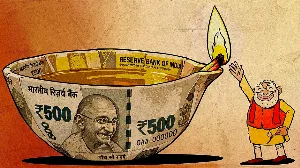
Nineteen Appellate Tribunals Established in West Bengal by Election Commission


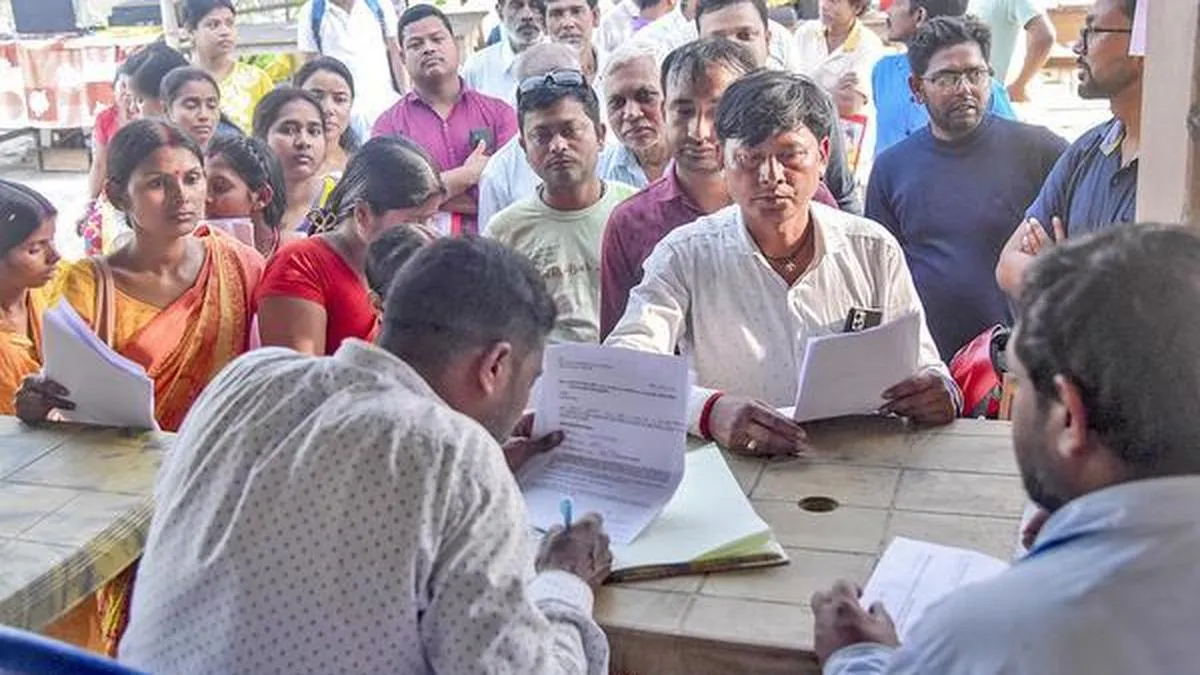
The Election Commission of India (EC) has announced the formation of 19 appellate tribunals in West Bengal to address appeals concerning electoral roll disputes. This decision comes as the state prepares for assembly elections scheduled for April, amid rising concerns about unresolved cases following the recent Special Intensive Revision (SIR) of the electoral rolls.
The establishment of these tribunals was detailed in an order published by the EC on 20 March 2026 in Delhi. These tribunals will be empowered to hear appeals regarding decisions made by judicial officers who are currently addressing nearly 60 lakh cases pending adjudication in the state.
Former judges will lead these single-member tribunals across 23 districts, including North 24 Parganas, South 24 Parganas, Purba Medinipur, Cooch Behar, Nadia, Malda, and Birbhum, as well as the state capital, Kolkata. Citizens whose names appear to have been omitted from the electoral roll can submit their appeals online via the EC website or visit their local District Magistrate, Sub-Divisional Magistrate, or Sub-Divisional Officer to request reconsideration.
This response from the EC follows a directive from the Supreme Court on 10 March 2026, instructing the Calcutta High Court to ask former Chief Justices and judges of High Courts to manage the appellate tribunals. The Supreme Court's involvement highlights the importance of resolving these electoral disputes promptly, particularly with elections approaching.
According to information released by the Chief Electoral Officer of West Bengal, following the SIR, approximately 1.6 crore individuals were summoned for hearings. Out of these, 1.3 crore cases were categorised under logical discrepancies, while 32 lakh were identified as unmapped voters. Currently, 60 lakh cases are still awaiting resolution, raising concerns among political parties and the public.
Political entities such as the ruling Trinamool Congress (TMC), the Communist Party of India-Marxist (CPI-M), and the Indian National Congress have voiced their worries about the potential disenfranchisement of millions of voters due to the ongoing adjudication process. On 20 March, the Chief Minister of West Bengal, Mamata Banerjee, expressed her concerns during the unveiling of her party’s manifesto for the upcoming elections. She remarked that judicial adjudication may not be concluded before the elections, noting that out of 22 lakh cases already resolved, 10 lakh names had been deleted. Chief Minister Banerjee claims that a particular community is being unfairly targeted in this electoral process, which she describes as an infringement on the fundamental right to vote, purportedly spurred by the Bharatiya Janata Party (BJP).
As of now, although at least 22 lakh of the 60 lakh cases have been adjudicated, no supplementary voter lists have been released. The last published voter list was on 28 February, and citizens are concerned about the absence of updates over the past 21 days. The assembly elections are set for 23 and 29 April 2026, with counting scheduled for 4 May 2026.

US Approves Visa for Iranian Delegation Amid Ongoing Conflict
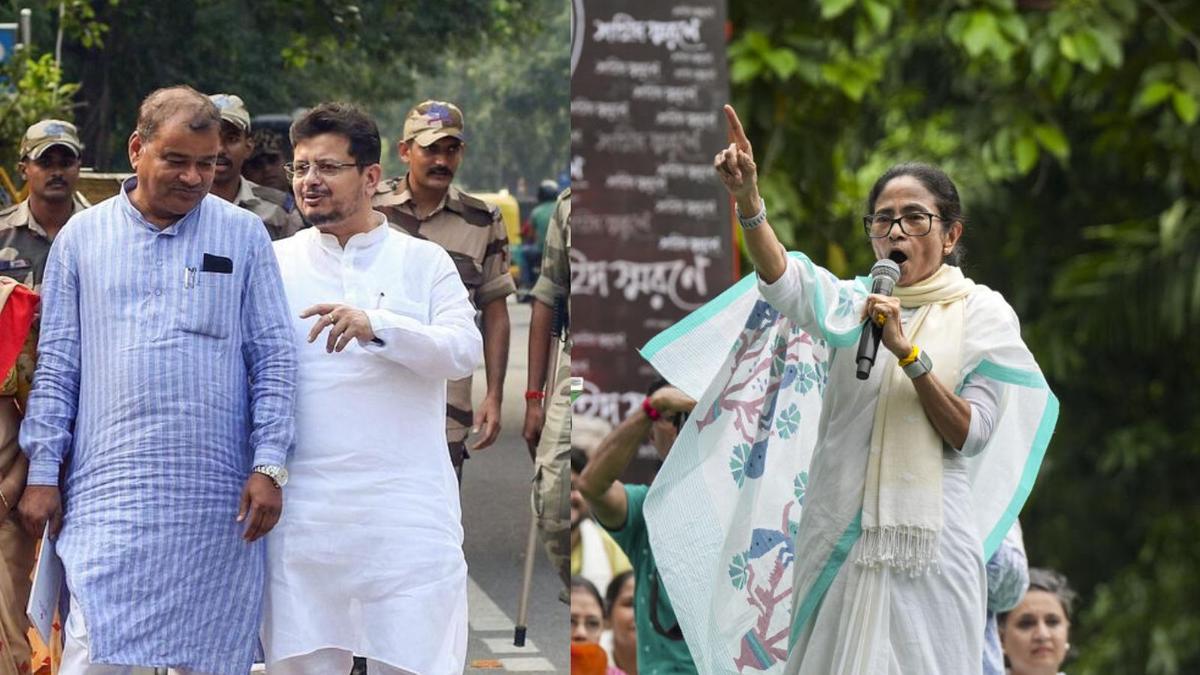
Election Commission Restricts TMC Use of Name and Symbol in Bypolls
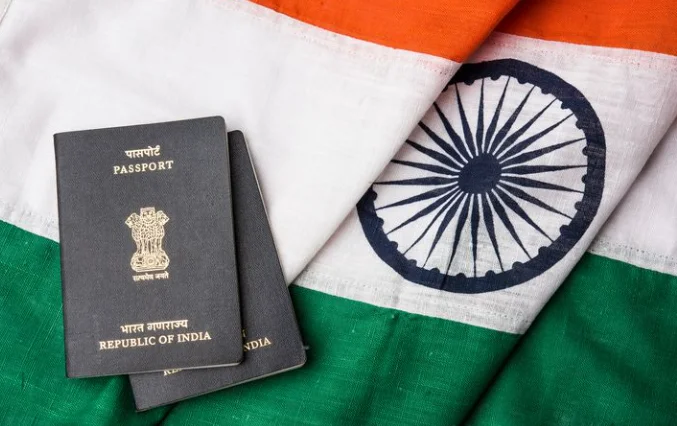
India Revises Passport Rules for Minors Under 15 Years Old

World's Highest Flower Fields Open in Leh, Ladakh at 10,600 Feet