Middle East Tensions Escalate as US Officials Discuss Ceasefire in Lebanon


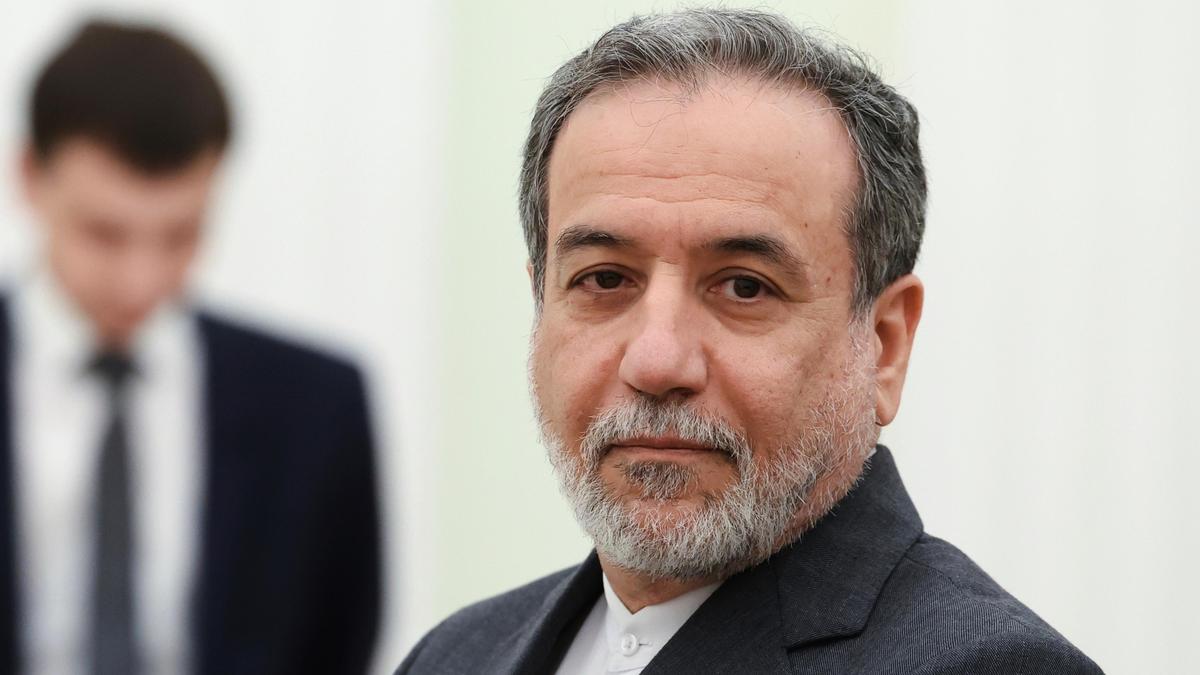
In a significant diplomatic outreach, United States Secretary of State Marco Rubio and Vice President JD Vance held a phone conversation with Lebanese President Joseph Aoun today. During the discussion, the leaders focused on the prospect of establishing a ceasefire monitoring body, as reported by Aoun's office. This communication comes in the wake of a violent incident in southern Lebanon, where Israeli soldiers killed two individuals. Hezbollah, a political and militant group in Lebanon, alleged that this action breached the current ceasefire agreement. Meanwhile, the Israel Defense Forces contended that their soldiers were responding to an immediate threat posed by what they termed ‘armed terrorists.’
The conflict, which has resulted in the deaths of over 4,000 people and displaced at least 1.2 million since it began on 2 March, continues to escalate. In recent developments, Israel and Lebanon commenced a fifth round of talks in Washington, with Lebanese officials emphasising the necessity of face-to-face negotiations to achieve a lasting resolution. President Aoun articulated a firm stance, insisting that Lebanon will accept nothing less than the cessation of Israeli occupation in the southern region of the country. He expressed hope that the ongoing dialogues would be pivotal in restoring Lebanon’s sovereignty.
Furthermore, Donald Trump stated that Iran has agreed to facilitate nuclear inspections, marking what he called a commitment to ‘nuclear honesty.’ However, Iranian officials refuted this by asserting that their nuclear sites, which were bombed during last year’s conflict, would not be available for inspection by the International Atomic Energy Agency (IAEA). They specified that there have been no meetings with the IAEA and rejected the idea of inspections at facilities deemed damaged by foreign aggression.
In a related announcement, Iranian Foreign Minister Esmaeil Baqaei reiterated Iran's determination to protect its nuclear integrity. This follows Vice President Vance’s earlier claims regarding Iran’s openness to inspections, presented as a major milestone in the path to denuclearisation. The recent conversations occurred after a period of strained relations and military confrontations noted throughout last year, which saw significant damage to Iranian nuclear facilities.
Additionally, Iran has established a working group with Oman to assess potential service charges for vessels navigating through the strategic Strait of Hormuz. Iranian negotiator Mohammad Bagher Ghalibaf indicated that conditions in the strait, a crucial passage for global oil shipments, would not return to pre-war levels, asserting plans to impose charges on incoming ships after a forthcoming 60-day evaluation period.
Rubio is poised to embark on a diplomatic tour of the Gulf region, specifically visiting the United Arab Emirates, Kuwait, and Bahrain to engage with local leaders on the understanding reached with Iran, alongside discussions surrounding the Strait of Hormuz.
While US-Iran tensions remain high, the funeral preparations for Iran’s late Supreme Leader Ayatollah Ali Khamenei are underway, with several public holidays announced to honour his legacy. The ceremonies are scheduled in Tehran, reflecting the country’s ongoing political dynamics.
As these multifaceted dialogues and conflicts unfold, the necessity for sustained diplomatic efforts appears more critical than ever in the increasingly volatile Middle Eastern geopolitical landscape.
Concerns Rise Over Delhi Voter Registration Discrepancies
Controversy Erupts Over Rahul Gandhi's PM Modi Mimicry at Event

Father of IIT Bombay Student Calls for Action Against Discrimination

India and Japan Conduct Joint Air Exercise 'Veer Guardian-2026'