Middle East Attacks Spread as Iran–US War Escalates


Explosions and drone incidents reported across several Middle Eastern locations have underscored the widening regional impact of the ongoing conflict involving Iran, the United States and Israel.
Authorities and media reports say attacks and military activity have affected key cities and maritime routes across the Gulf, raising concerns about regional security and global energy supply.
Explosions and drone incidents reported
Reports of explosions were heard in parts of Dubai on Thursday, according to international news agencies, while local authorities also reported a drone incident in the Al Bada district of the city.
The area lies only a few kilometres from the Burj Khalifa, the world’s tallest building and a major commercial centre in the United Arab Emirates.
The incident followed earlier drone attacks near Dubai’s airport that reportedly injured several people.
Elsewhere in the region, Kuwait International Airport was targeted by drones, causing what officials described as material damage.
Separate explosions were also reported in Jerusalem amid continued military exchanges linked to the broader conflict.
The incidents reflect the growing geographic spread of the confrontation, which has increasingly affected cities and infrastructure beyond the immediate battlefield.
Attacks on shipping and energy infrastructure
Maritime security in the Gulf has also deteriorated as ships and energy facilities come under attack.
Iranian boats carrying explosives reportedly struck two fuel tankers in Iraqi waters, setting them ablaze and killing at least one crew member.
Earlier missile strikes were reported against several other vessels travelling through Gulf waters.
In addition to attacks at sea, energy infrastructure has been targeted in several locations.
A drone strike was reported at the port of Salalah in Oman, an important logistics hub for regional trade.
Another container vessel was reportedly hit near the port of Jebel Ali in the United Arab Emirates, one of the busiest ports in the Middle East.
Analysts say the attacks appear to focus on strategic shipping lanes and energy facilities that play a central role in global oil and gas supply.
Regional tensions intensify
The escalation comes amid growing hostilities between Iran and its adversaries following a wave of military strikes earlier in the conflict.
Iran has launched retaliatory operations across several parts of the Middle East in response to attacks linked to the United States and Israel.
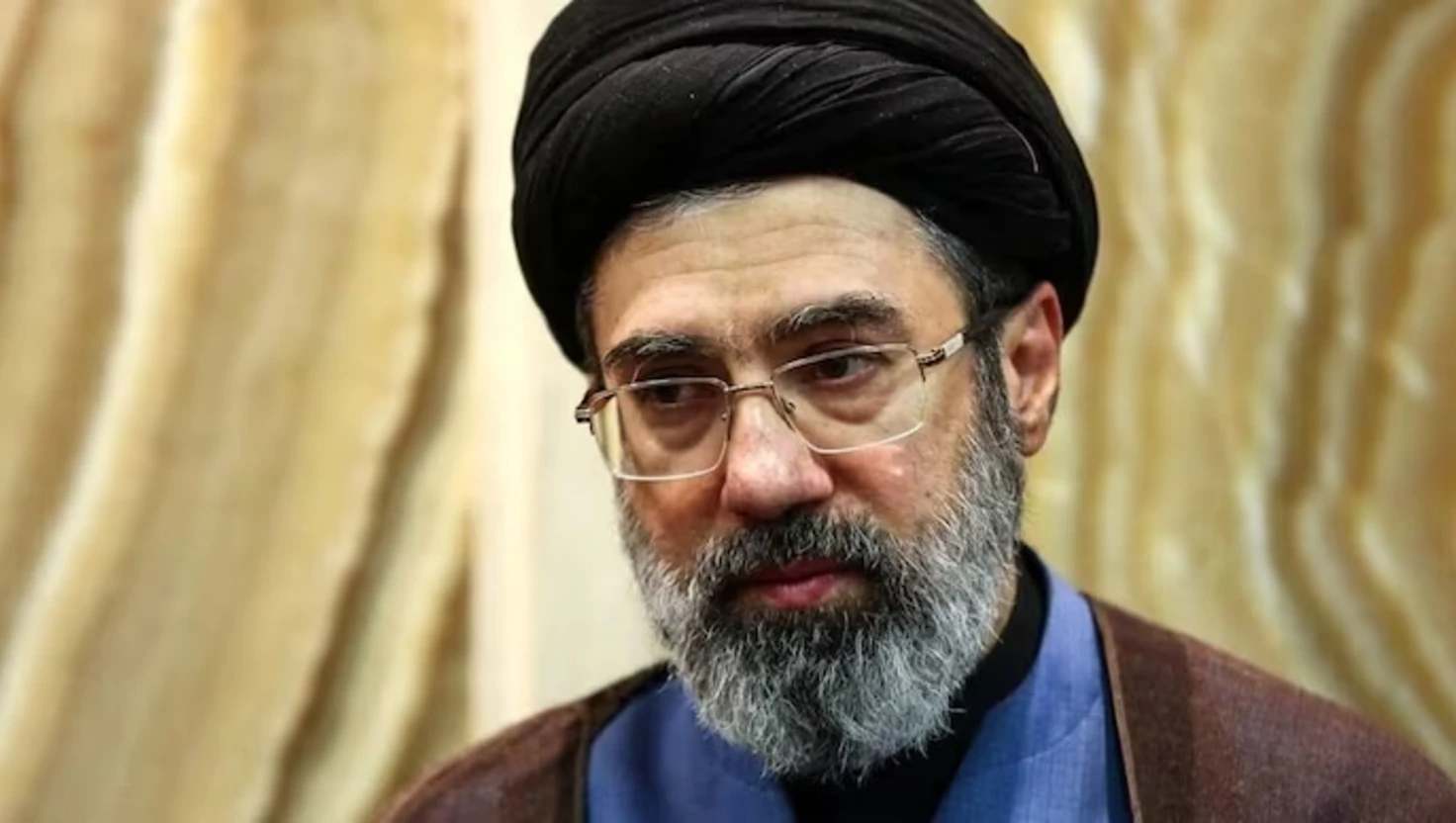
Iran’s newly appointed Supreme Leader Mojtaba Khamenei recently signalled that Tehran intends to maintain pressure on its opponents during the conflict.
In a statement broadcast on Iranian state television, he said the country would continue using the strategic Strait of Hormuz as leverage in the confrontation.
“The lever of blocking the Strait of Hormuz must continue to be used,” he said in his first remarks since assuming the position.
The strait, located between Iran and Oman, is one of the world’s most important energy corridors, carrying a large share of globally traded oil.
Khamenei also warned that United States military bases in the region should close or risk becoming targets.
At the same time, he said Iran remained open to maintaining friendly relations with neighbouring countries, while cautioning them against hosting American forces.
Regional armed groups join conflict
Iran’s leadership also acknowledged the involvement of allied armed groups across the region.
The statement referenced armed movements in Yemen and Iraq that Tehran considers part of a broader “resistance” network.
Such groups have previously launched attacks on shipping, energy infrastructure and military facilities in the region.
Their involvement has raised fears that the conflict could expand further beyond Iran and Israel.
Analysts say the participation of multiple armed groups complicates diplomatic efforts to contain the crisis.
Energy and economic consequences
The conflict has already disrupted global energy markets and international shipping routes.
The Strait of Hormuz, a narrow maritime corridor linking the Persian Gulf with the Gulf of Oman, is used by tankers transporting a significant share of the world’s oil.
Any prolonged disruption in the strait could affect fuel supplies and push global energy prices higher.
Recent attacks on vessels and ports have heightened concerns among shipping companies and insurers, leading some vessels to delay or reroute their journeys.
Countries heavily dependent on Gulf energy supplies are closely monitoring the situation.
India’s response to energy concerns
India, one of the world’s largest importers of crude oil, has been watching developments in the region closely.
The Indian government has said domestic fuel availability remains stable despite the turmoil.
India’s Union Minister for Petroleum and Natural Gas, Hardeep Singh Puri, told parliament that the country had adequate supplies of petrol, diesel and cooking gas.
“There is no shortage of diesel, petrol or kerosene. Their availability is fully assured and supply chains across the country are functioning smoothly,” he said.
Indian officials have also held diplomatic discussions with Iran regarding shipping safety and energy security.
According to India’s Ministry of External Affairs, External Affairs Minister Subrahmanyam Jaishankar held several conversations with his Iranian counterpart to address concerns related to maritime routes and fuel supplies.
Two Indian tankers have reportedly passed through the Strait of Hormuz recently, which officials say reflects ongoing coordination between the two countries.
Context: a widening regional conflict
The war that began with strikes involving the United States and Israel against Iran has rapidly expanded into a broader regional confrontation.
Attacks now affect shipping routes, energy facilities and cities across the Gulf and the eastern Mediterranean.
The conflict has heightened fears that disruptions to trade routes and oil supplies could have global economic consequences.
With multiple countries and armed groups involved, analysts warn that the situation remains volatile and could continue to escalate if diplomatic efforts fail to contain the crisis.

Kerala Initiates Probe into 2006 Suicide Case Involving CEC

Extradition of Sheikh Hasina Feasible, Says Indian High Commissioner

Punjabi Makeup Artist Mad Sandhu Shot Dead in Amritsar

India Achieves Fourth Place at Asian Games 2026 Through Late Success