Jimmy Lai Sentenced to 20 Years for Collusion in Hong Kong


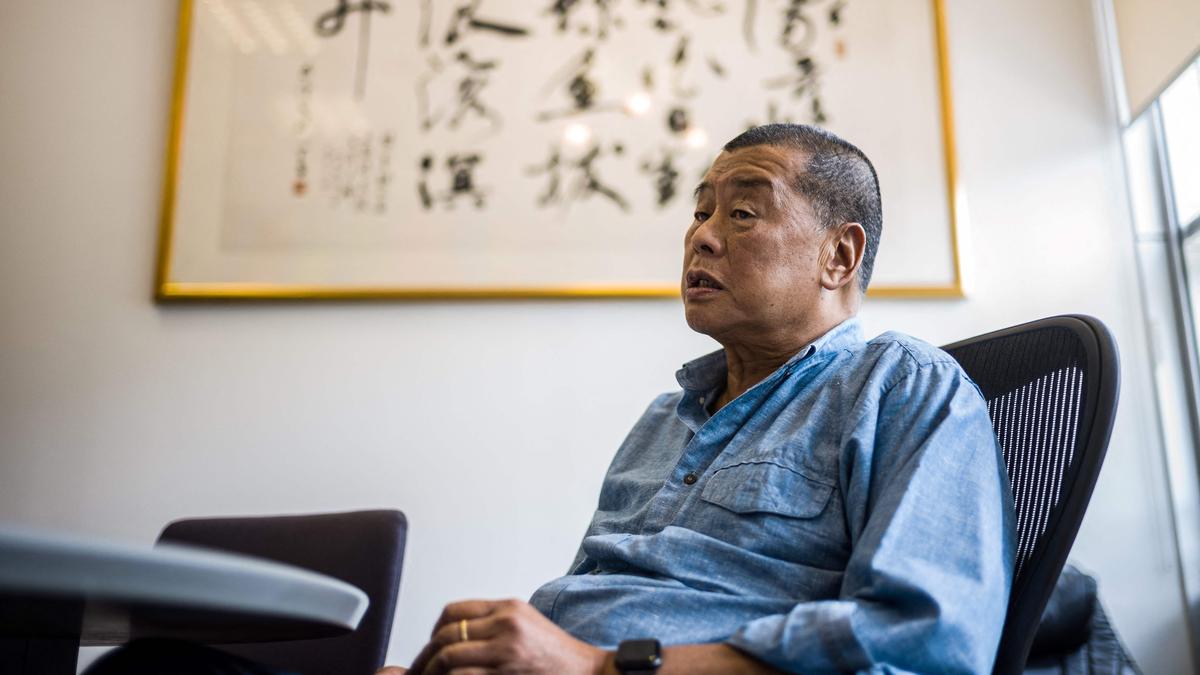
Jimmy Lai, a prominent media tycoon and pro-democracy advocate in Hong Kong, has been sentenced to 20 years in prison for colluding with foreign forces under the city’s contentious national security law. Rights organisations have described the sentencing as a grave blow to press freedom, labelling it a 'death sentence' for the 78-year-old, whose family has expressed serious concerns regarding his health. Hong Kong's Chief Executive, John Lee, labelled the ruling as 'deeply gratifying' and considered it a reinforcement of the city's legal system.
The sentence represents the most severe punishment issued under the national security law, which was introduced by Beijing in response to extensive protests in 2019 that demanded greater liberties. Lai, a British citizen, is widely recognised as the most high-profile figure to be prosecuted under this legislation, having previously leveraged his newspaper, Apple Daily, to voice dissent against the Chinese government.
Sebastien Lai, Jimmy Lai’s son, conveyed his heartbreak over the ruling, highlighting that he has consistently brought attention to his father's situation with British officials, yet has seen no change. 'It signifies the total destruction of the Hong Kong legal system and the end of justice,' Sebastien stated.
During the court proceedings on Monday, there was a notable police presence outside, and numerous supporters gathered, some of whom had waited for days to attend. Inside, Lai appeared composed, greeting his family with a smile before the sentence was announced. Some in the courtroom reacted with visible distress, while Lai’s wife, Teresa, left in tears.
Previously, Lai was jailed for over five years on charges of fraud and unauthorised gatherings, which followed his earlier arrests. On Monday, in addition to Lai's sentence, six former executives from Apple Daily and two activists also received prison terms under the national security law, ranging from six years and three months to ten years.
Lai has consistently denied the charges, asserting that he simply represented Hong Kong's values of free speech and the rule of law. Central to the case was a meeting that took place in 2019 between Lai and then-US officials, including Vice President Mike Pence. In testimony, Lai maintained that he did not leverage these connections to sway foreign policy, stating he was merely relaying conditions in Hong Kong.
Various human rights groups condemned the sentence as 'draconian' and called for urgent action from the international community. Jodie Ginsberg, from the Committee to Protect Journalists, remarked, 'Today's egregious decision is the final nail in the coffin for freedom of the press in Hong Kong.' Elaine Pearson, Asia director at Human Rights Watch, asserted that the case exemplifies the determination of the Chinese government to suppress independent journalism.
Caoilfhionn Gallagher KC, a member of Lai's international legal team, urged global leaders to call for Lai’s release so he could return to his family in London. After the sentencing, several countries, including the UK, Australia, the European Union, and Japan, expressed alarm, while United Nations human rights chief Volker Turk demanded Lai be released given his age and health status.
In response to international concern, China’s foreign ministry asserted that the legal proceedings are an internal matter for Hong Kong. A ministry spokesperson stated that the central government firmly supports the local administration in upholding national security.
Lai’s journey began in Guangzhou, China, where he emigrated to Hong Kong as a stowaway at age 12. He progressed from modest beginnings to founding a successful media empire, becoming a vocal advocate for democracy following the Tiananmen Square protests in 1989. In his last interview before his arrest in 2020, Lai remarked, 'If this is payback time, this is my redemption,' referencing his connection with Hong Kong and its values.
Chinese President Xi Jinping Begins State Visit to Washington
Jaishankar Discusses US Tariff Concerns with Secretary Rubio
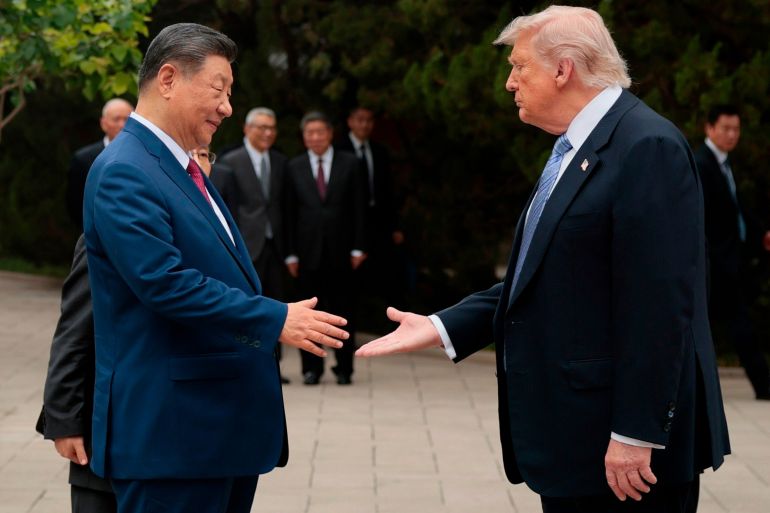
US and China Leaders Discuss AI Rivalry Amid Global Concerns
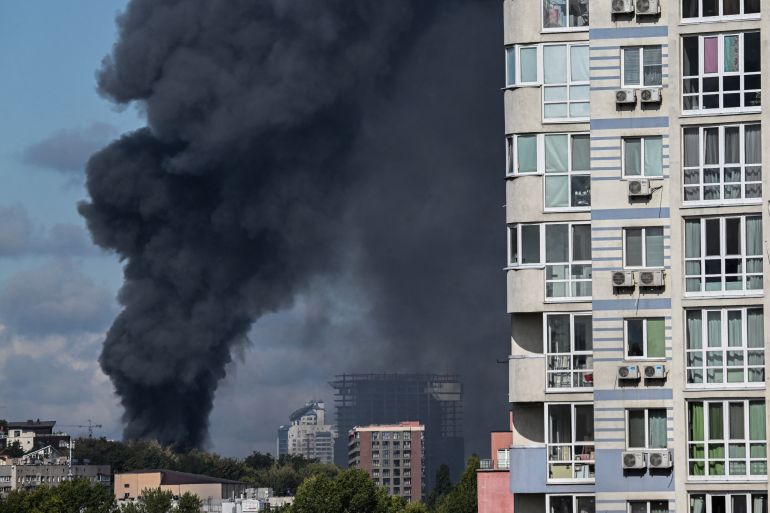
Russian Drone Strikes Kyiv, Donetsk Following Zelenskyy-Trump Talks