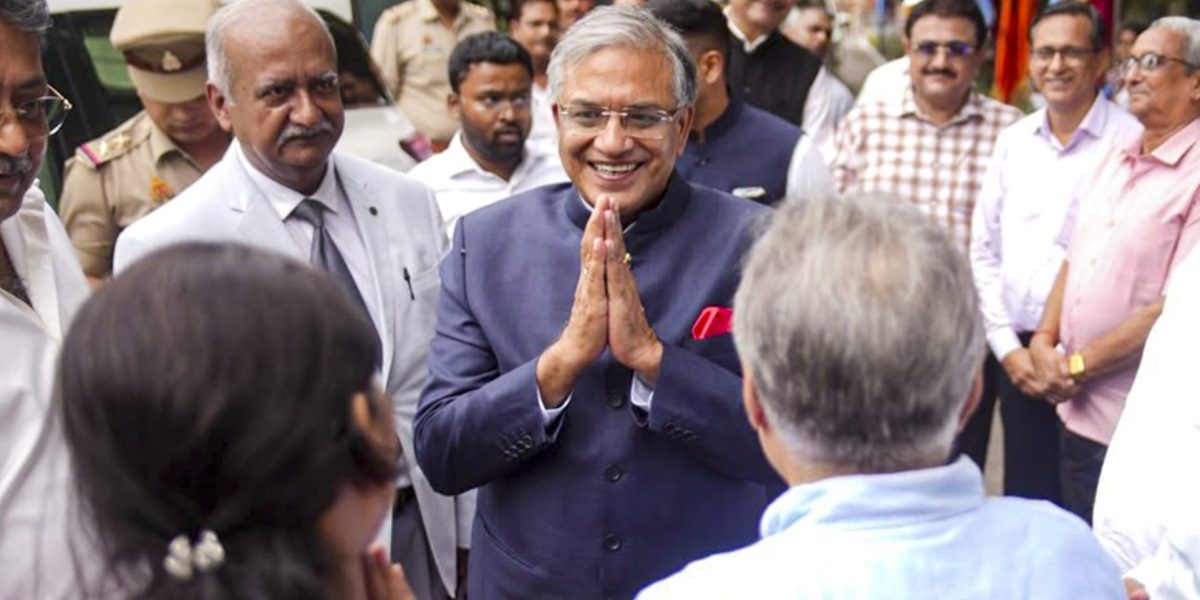
Concerns Emerge Over India-U.S. Trade Agreement's Impact


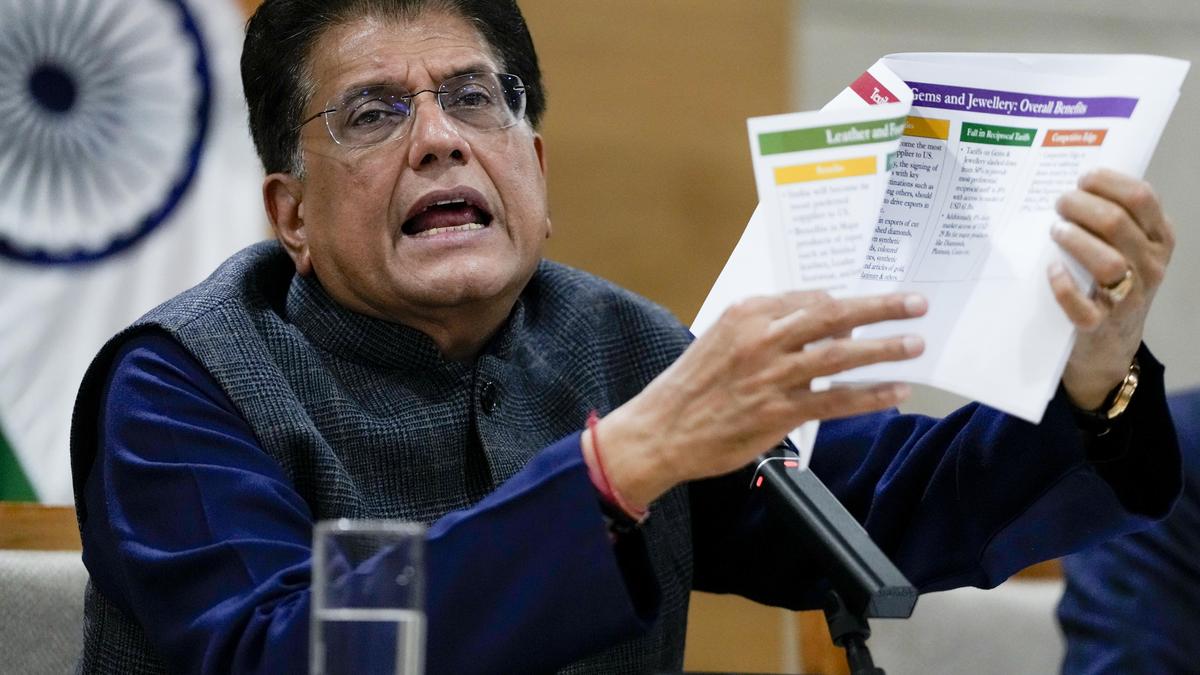
The interim trade agreement between India and the United States, announced on February 6, has sparked significant debate regarding its implications for India's economy and strategic autonomy. As per the deal, India has committed to purchasing $500 billion worth of U.S. goods over the next five years. However, the agreement has not included a reciprocal commitment from the U.S. to substantially increase imports from India.
Critics argue that the framework, labelled as a commitment towards reciprocal and balanced trade, veers towards favouring U.S. economic interests significantly more than India's. Union Commerce and Industry Minister Piyush Goyal has confirmed that India will reduce or eliminate tariffs on all U.S. industrial goods as well as various food and agricultural products. This includes items such as dried distillers' grains, tree nuts, and soybean oil. Meanwhile, U.S. tariffs on Indian exports will only be reduced on a fraction of goods, underlining a perceived imbalance in the agreement.
Opposition parties in India, particularly farmer groups and trade experts, have voiced concerns that such concessions could be detrimental to local producers. The Samyukt Kisan Morcha, a coalition of farmers, has expressed fears that the reduction of tariffs on U.S. agricultural imports could harm domestic income levels. The coalition is calling for the resignation of the commerce minister and intends to escalate protests.
Additionally, the interim deal's conditions regarding Russian oil imports have generated further tension. Reports indicate that the U.S. has issued a separate executive order stating that the repeal of a 25% import duty on Indian exports is contingent upon India's discontinuation of crude oil purchases from Russia. This stipulation has led to alarm among some sectors in India who view it as a potential compromise to the country’s foreign policy independence.
The trade agreement also seems to reflect a strategic shift towards closer economic ties with the U.S., with India committed to further collaborating in the defence sector over the coming decade. Critics, including former finance minister P. Chidambaram, have pointed out that the agreement commands an unfair advantage towards U.S. interests, recalling that U.S. nominal GDP significantly exceeds that of India, creating an economic asymmetry.
In defence of the deal, Piyush Goyal stated it could bolster labour-intensive sectors in India, such as textiles and gems. However, significant scepticism remains about whether India can realistically meet the ambitious target of importing $500 billion worth of U.S. goods, which would require an unprecedented annual increase in imports.
As deliberations continue and more details surrounding the agreement are scrutinised, various stakeholders are left pondering the potential long-term ramifications of this trade framework on India's economic landscape and autonomy in international relations.
Chinese President Xi Jinping Begins State Visit to Washington
Jaishankar Discusses US Tariff Concerns with Secretary Rubio
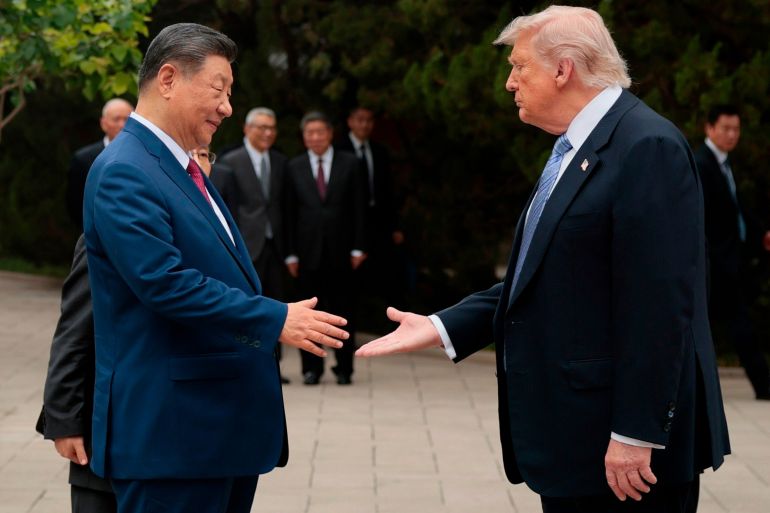
US and China Leaders Discuss AI Rivalry Amid Global Concerns
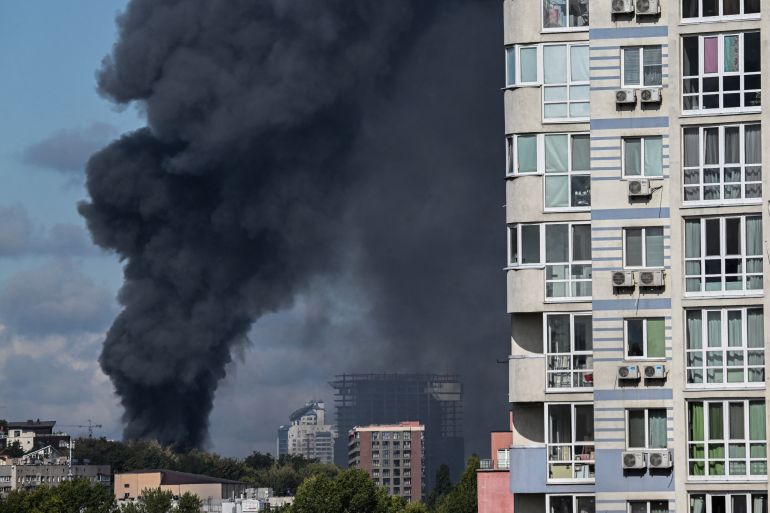
Russian Drone Strikes Kyiv, Donetsk Following Zelenskyy-Trump Talks