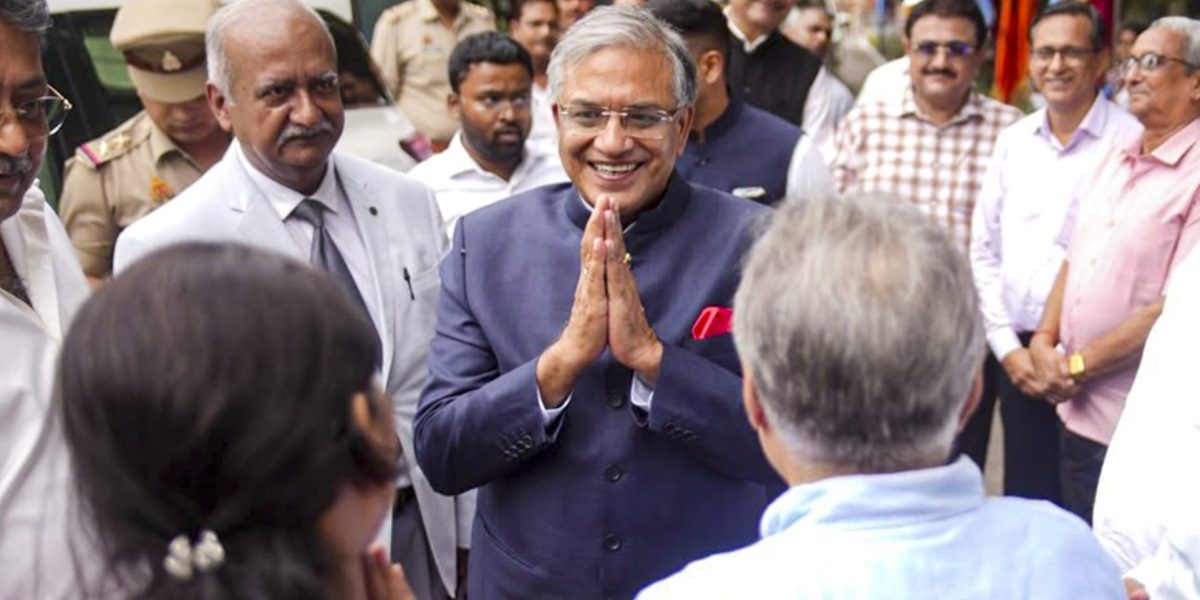
Keir Starmer Faces Growing Leadership Challenges Following Staff Departures


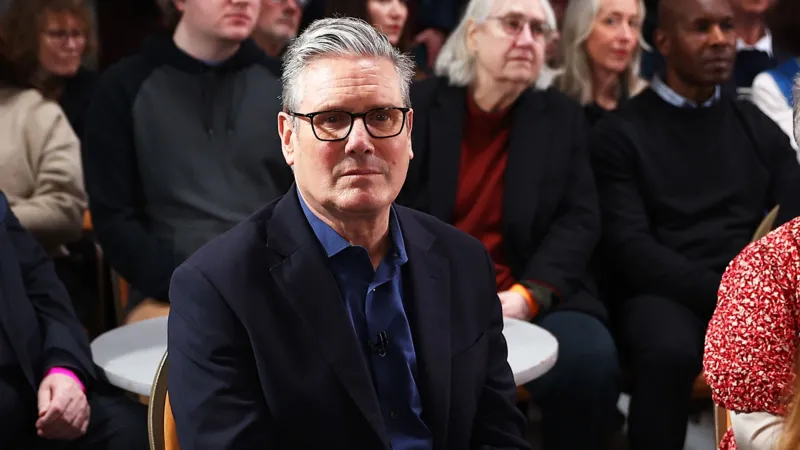
The political landscape for UK Prime Minister Keir Starmer has shifted dramatically in recent days, as significant departures from his inner circle raise questions about his leadership. Morgan McSweeney, Starmer's chief of staff, announced his resignation, followed swiftly by Tim Allan, the head of communications. These changes come at a precarious time for Starmer, as he attempts to navigate a turbulent political environment characterised by party divisions and public scrutiny.
Since his time as a leader of the opposition, Morgan McSweeney has been a pivotal figure in Starmer's political ascent, accompanying him throughout his journey from leadership bids to election victories. His departure marks a significant change in the dynamics of Starmer's administration. Those close to Starmer report that he is acutely aware of the challenges he faces, expressing frustration over what he perceives as betrayal and misjudgment related to his appointment of Lord Peter Mandelson as ambassador to the United States. This controversy has garnered significant negative attention and criticism.
Starmer’s situation is compounded by a widespread sense of unease within the Labour Party. There is a recognition among MPs that McSweeney's departure creates a vacuum at the heart of the government, where stability has become increasingly elusive. Some members have expressed their concern that the loss of key strategic minds could negatively impact Labour’s ability to govern effectively. "Brilliant, dynamic, and motivating, he got us here," one MP reflected on McSweeney’s influence, illustrating the conflicting feelings surrounding his exit.
As Starmer prepares to address the Parliamentary Labour Party on Monday evening, the stakes are high. His authority within Parliament has been called into question, especially after a recent by-election loss, leading to anxiety among his supporters and critics alike. Many are anticipating his next move with bated breath, as failing to rally support from his own party could jeopardise his position at the helm.
Starmer's leadership has already faced challenges stemming from internal conflicts over policy directions and campaign commitments, particularly concerning welfare spending and income tax. With rising pressures from both his party and the opposition, his government has been characterised as beleaguered and running low on political capital. Members within Labour remain divided, with some hopeful for Starmer's revival and others increasingly sceptical of his capacity to lead.
As the political climate continues to shift, Keir Starmer finds himself at a critical juncture, needing to articulate a clear vision for the future and galvanise support not only within his party but also among the general public. Failure to establish authority and direction could have lasting ramifications for his administration and the Labour Party’s standing in British politics.
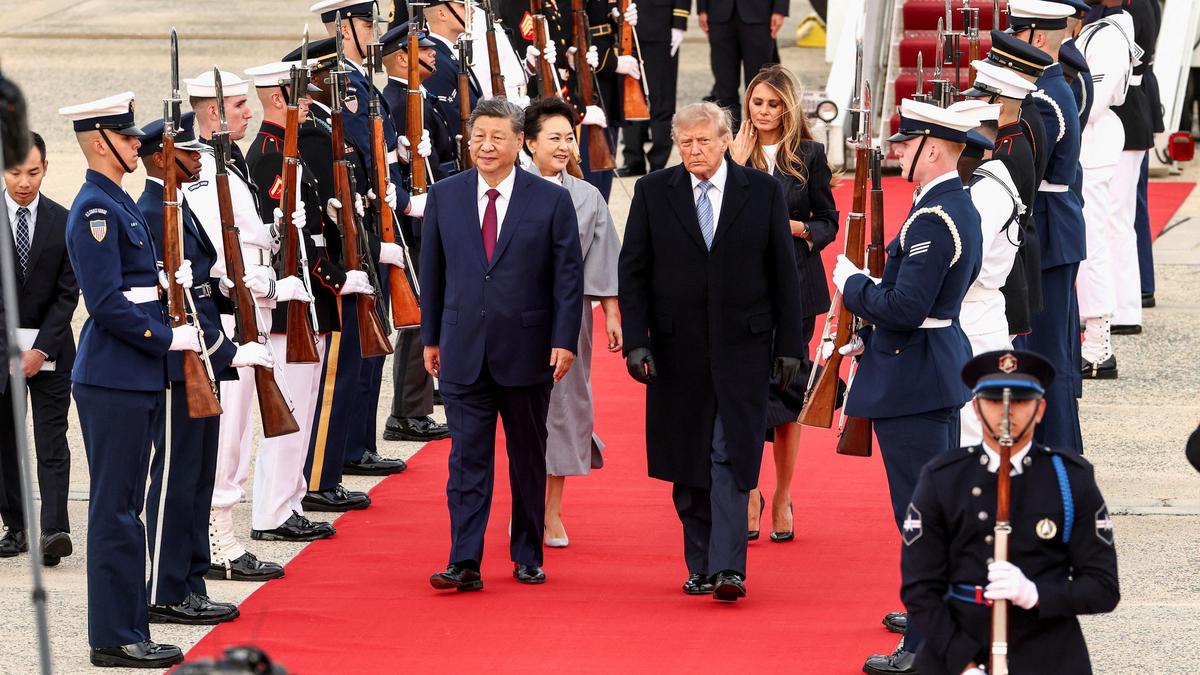
Chinese President Xi Jinping Begins State Visit to Washington
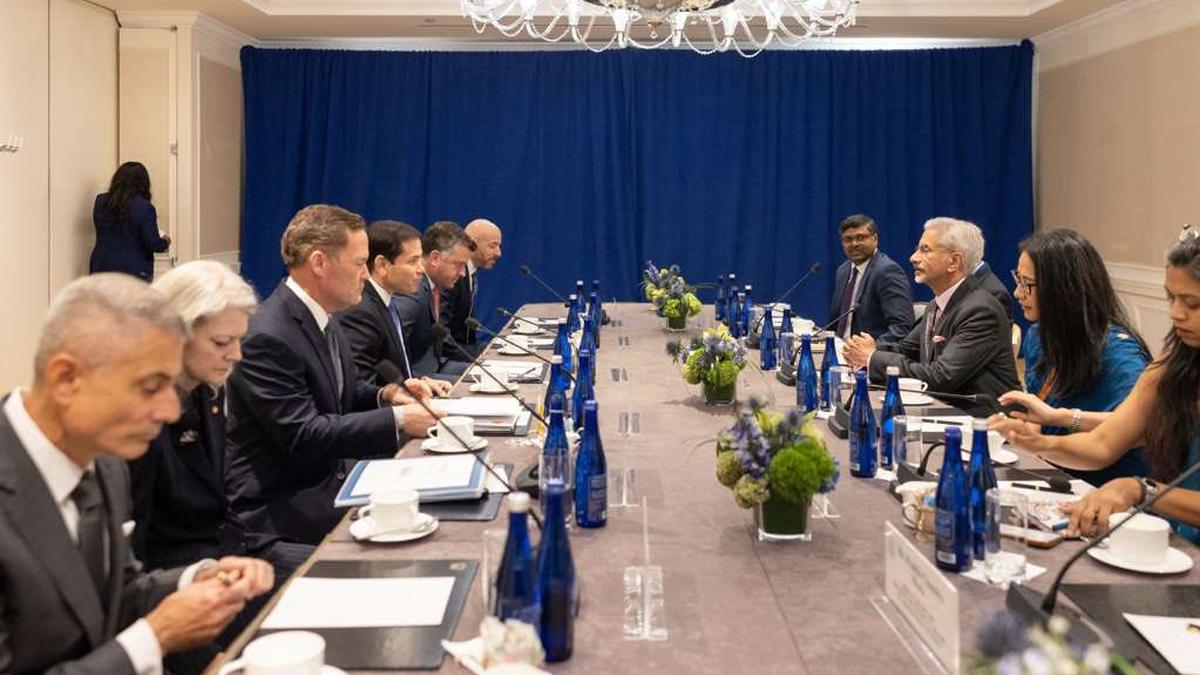
Jaishankar Discusses US Tariff Concerns with Secretary Rubio
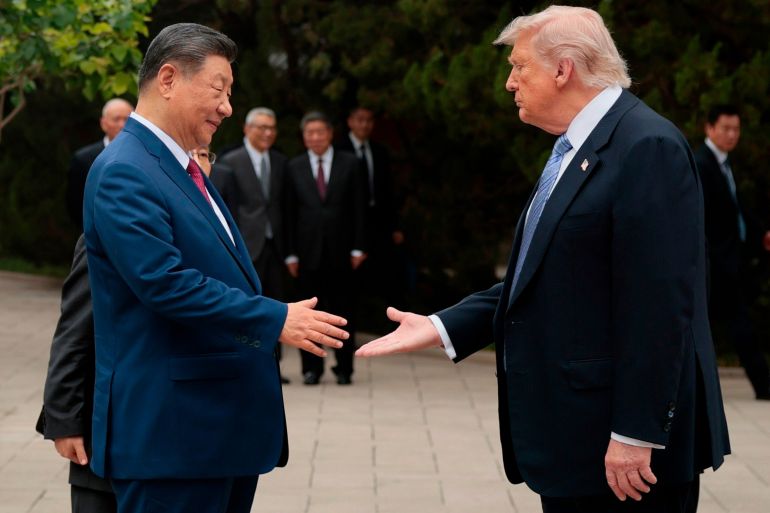
US and China Leaders Discuss AI Rivalry Amid Global Concerns
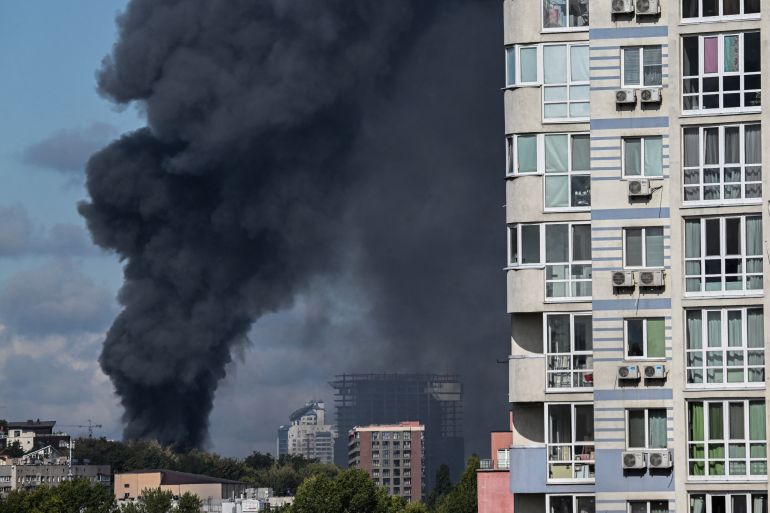
Russian Drone Strikes Kyiv, Donetsk Following Zelenskyy-Trump Talks