India's Response to Trump's Claims on Russian Oil Imports Remains Silent


The Indian government is reportedly withholding its official stance regarding United States President Donald Trump’s assertion that India has agreed to stop purchasing Russian crude oil. Trump announced this commitment during a recent trade agreement, which is aimed at enhancing energy cooperation between the two countries. Despite the significant implications of such a claim, New Delhi has yet to publicly deny or confirm Trump's statements, leading to growing speculation about the government's position.
In a statement made by Trump, he claimed to have discussed the matter directly with Indian Prime Minister Narendra Modi, suggesting a mutual understanding concerning India ceasing its imports of Russian oil. Trump's executive order further supported this assertion, explicitly stating that India has committed to halting all direct and indirect imports of Russian energy products. However, as of now, there has been no formal denial from the Indian Government regarding this statement.
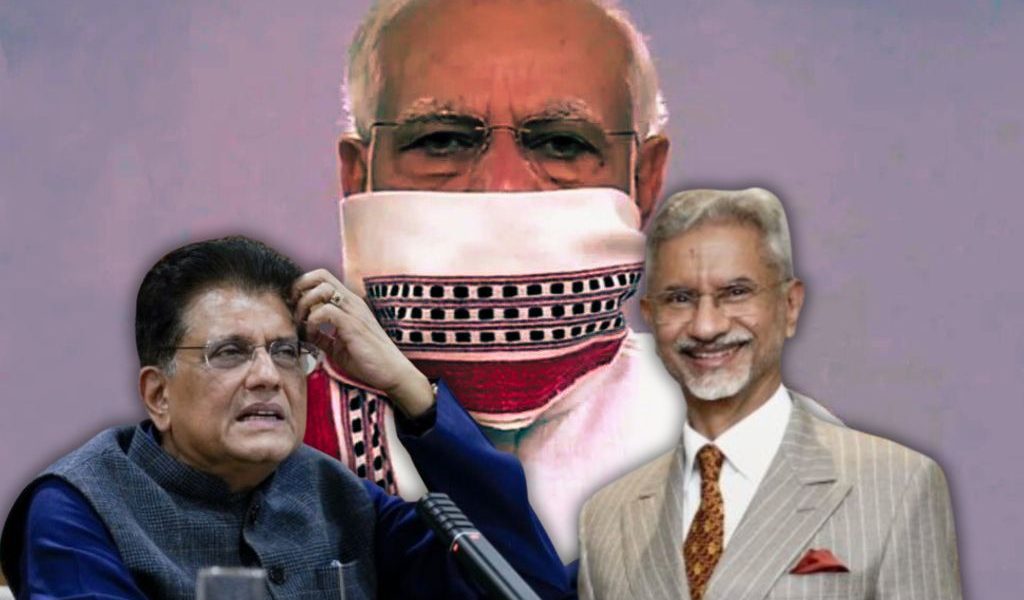
The ongoing silence has led to concerns that the Indian administration may be avoiding a confrontation with Washington while also considering the potential political ramifications of such a concession domestically. Commerce Minister Piyush Goyal has deflected inquiries about the alleged commitment, referring reporters instead to the Ministry of External Affairs. Meanwhile, Minister of External Affairs S. Jaishankar remarked that decisions regarding energy sourcing are ultimately up to companies, indicating a hands-off approach from the government. The lack of a definitive answer from India continues to fuel confusion, particularly since Russian officials have indicated that they have received no instructions suggesting a reduction in oil supplies to India.
Reports indicate that Indian refiners have been advised to refrain from placing new orders for Russian crude while fulfilling existing commitments. Analysts suggest that if India has made behind-the-scenes concessions as part of the trade deal, demonstrating clarity on the matter is becoming increasingly crucial. The continued ambiguity surrounding this issue can affect not only the nation's energy security but also its diplomatic relations with key partners like Russia.
Should India indeed accept restrictions on Russian oil imports, it would represent a significant shift in its energy policy, which has relied heavily on discounted Russian oil imports to mitigate costs for its 1.4 billion citizens. As the situation develops, observers are keenly watching for any official communication from the Indian government that clarifies its position on the matter.
Trump and Xi Discuss Trade, AI, and Taiwan Amid Diplomatic Tensions
Xi Jinping Seeks Greater Concessions from Trump Amid Trade Talks
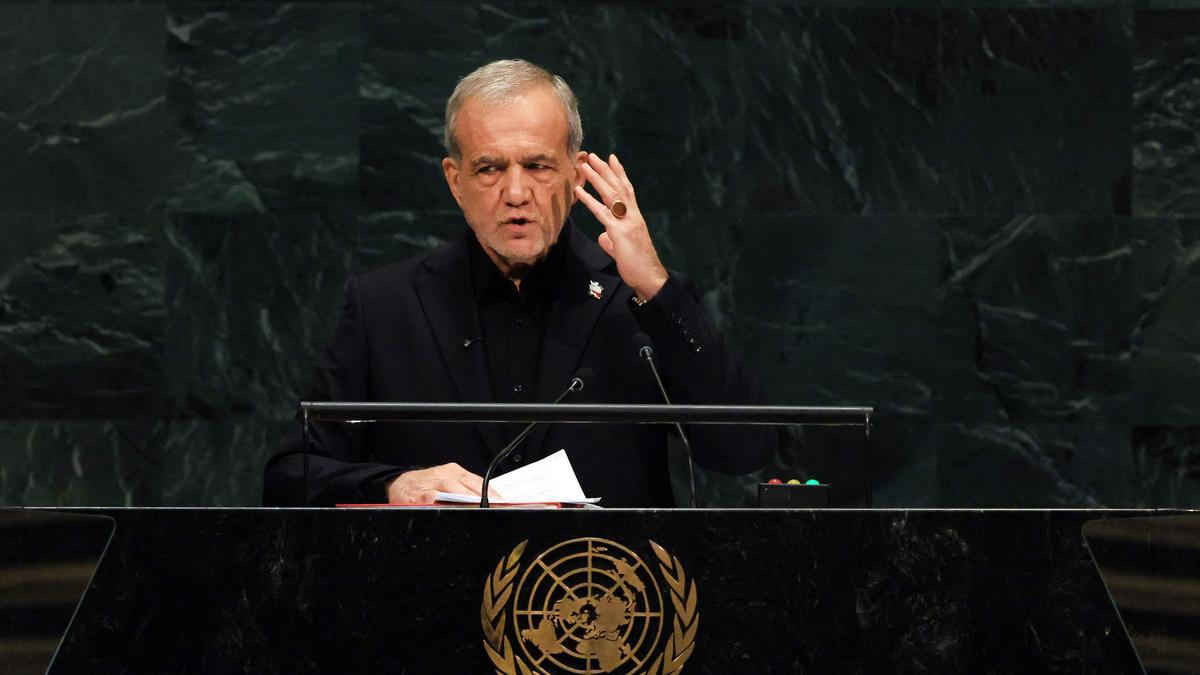
Iran's President Addresses Ongoing Conflict and External Threats
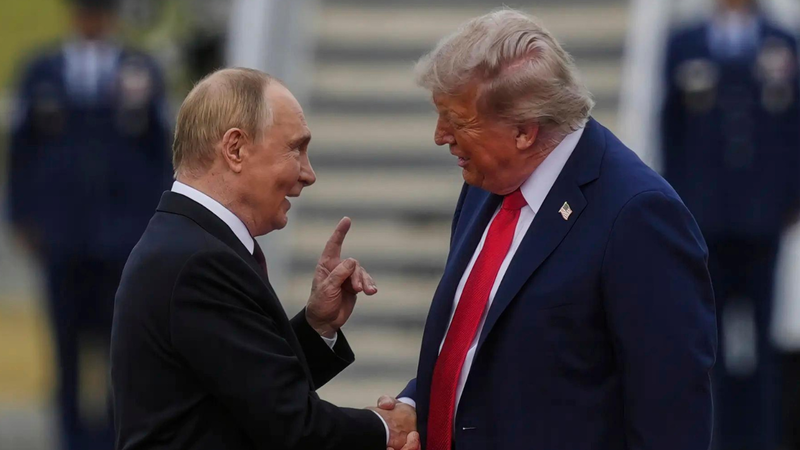
United States Invites Vladimir Putin to Miami G20 Summit