Israel's New Measures in West Bank Condemned as De Facto Annexation


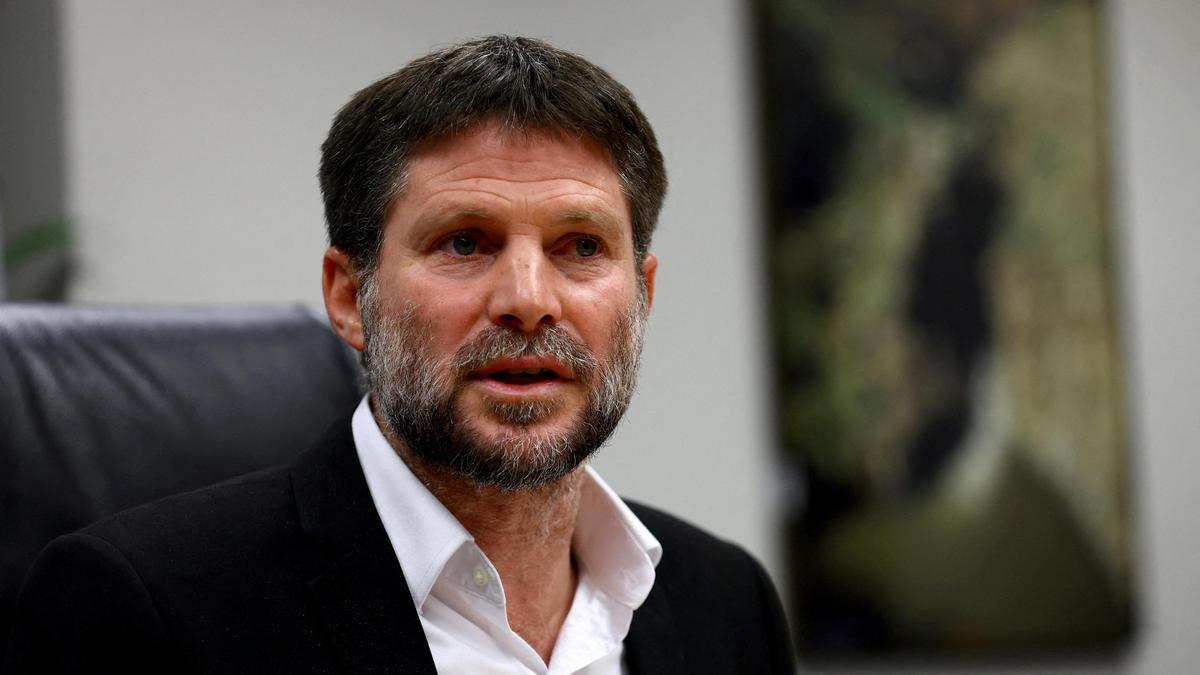
The recent measures approved by Israel's security cabinet have sparked significant condemnation from Palestinians, Arab nations, and Israeli organisations opposed to the occupation. These developments were announced by Israeli Finance Minister Bezalel Smotrich, who stated the changes would simplify the process for Jewish settlers to acquire Palestinian land. Smotrich explicitly declared, "We will continue to kill the idea of a Palestinian state." All Israeli settlements in the occupied West Bank are deemed illegal by international law.
The new protocols, which require confirmation from the Israeli military's top commander for the West Bank, are aimed at intensifying Israeli authority over the region through reforms in property law, planning, licensing, and enforcement. These changes come just days before a scheduled meeting between Israeli Prime Minister Benjamin Netanyahu and United States President Donald Trump in Washington.
According to reports from the United Nations, last year marked the fastest expansion of settlements in the West Bank since monitoring began. The anticipated actions include repealing a long-standing ban on the direct sale of West Bank land to Jews and modifying access to local land registration records. Previously, settlers could purchase property only through registered companies managing land under Israeli control.
Israeli officials described these reforms as essential for increasing transparency and facilitating land reclamation. Furthermore, the cabinet's decision erases the requirement of obtaining a permit for real estate transactions, thereby diminishing oversight previously in place to prevent fraudulent practices. Palestinians fear this could increase coercion for land sales and lead to potential forgeries.
Palestinian Authority President Mahmoud Abbas labelled the measures as "dangerous" and an overt attempt to legitimise settlement expansions, confiscate land, and demolish Palestinian homes, even within areas ostensibly under Palestinian jurisdiction. He urged both the United States and the United Nations Security Council to intervene immediately.
The Israeli non-governmental organisation Peace Now expressed that the cabinet's actions may destabilise the Palestinian Authority and erode existing agreements, escalating towards de facto annexation. They accused the Israeli government of dismantling safeguards to prevent extensive land appropriation in the West Bank.
In a pointed joint statement, foreign ministers from several predominantly Muslim countries, including Egypt, Jordan, and the United Arab Emirates, condemned the measures, deeming them as exacerbating Israel's illegal annexation attempts and threatening the Palestinian people's displacement. They stressed that ongoing Israeli expansionist policies contribute to heightened conflict and violence in the region.
With land rights central to the Israel-Palestine tensions, the sale of land to Israeli settlers often involves complex transactions, sometimes exposing individuals to accusations of treason, which under Palestinian law could lead to severe repercussions.
Additional controversial measures indicated by Smotrich involve transferring control over building permits for significant religious sites like Hebron to Israeli authorities, thereby intensifying the Israeli government's grip on sensitive areas. The Cave of the Patriarchs, a site sacred to Jews, Muslims, and Christians, has become increasingly polarised as tensions mount.
Since the 1993 Oslo Accords, which were pivotal in establishing the Palestinian Authority's governance in urban areas of the West Bank, Israel has maintained control over key territories. Approximately 700,000 Israeli settlers now populate the contested land, which Palestinians envisaged for a future state alongside Gaza.
Notably, the Trump administration has previously ruled against the annexation of West Bank areas but failed to impose limits on the rapid expansion of settlements. Advocates from the Israeli right, including Smotrich, have vowed to double the settler population in the region.
Concerns have surged regarding the escalating violence perpetrated by settlers against Palestinian communities, with over 37,000 Palestinians displaced in the past year, a situation flagged by the United Nations. Netanyahu's coalition government has been characterised by a hardline stance on settlement policies, with growing calls for West Bank annexation among its members.
Despite facing electoral pressures, Netanyahu has persistently stated his opposition to establishing a Palestinian state, citing security threats to Israel. Additionally, the International Court of Justice, in its advisory opinion, reaffirmed in 2024 that Israel's occupation is illegal and needs cessation. This mounting tension and aggressive policy direction from Israel are shaping a fraught landscape in the Israeli-Palestinian conflict.
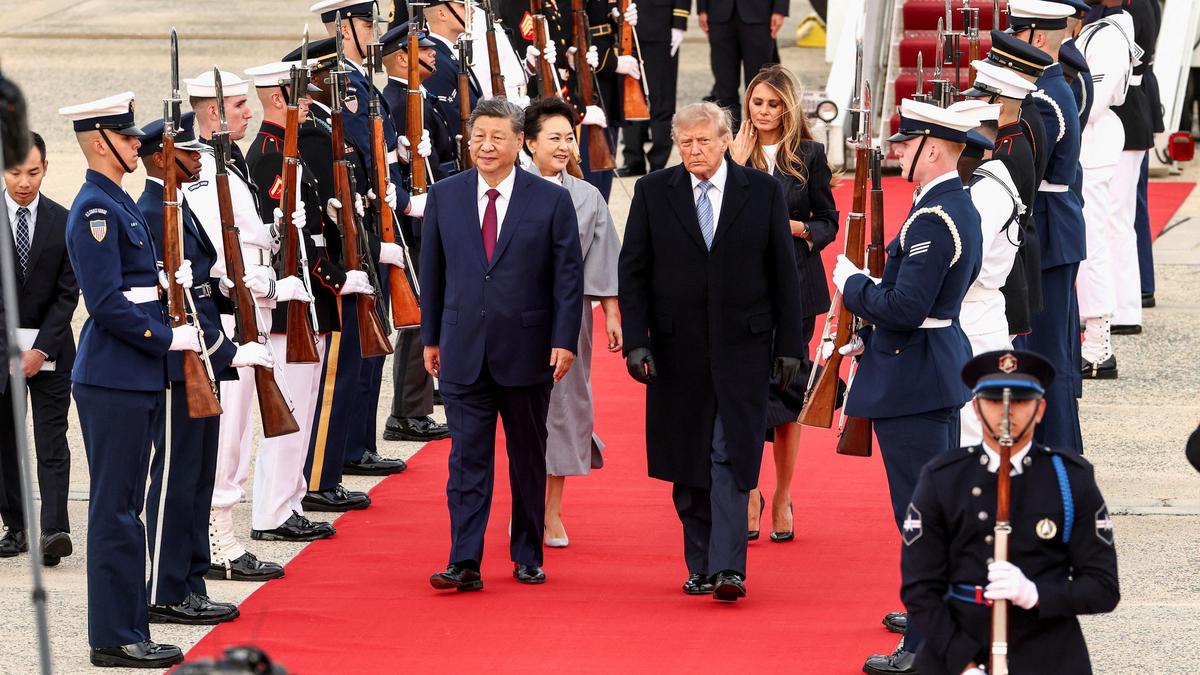
Chinese President Xi Jinping Begins State Visit to Washington
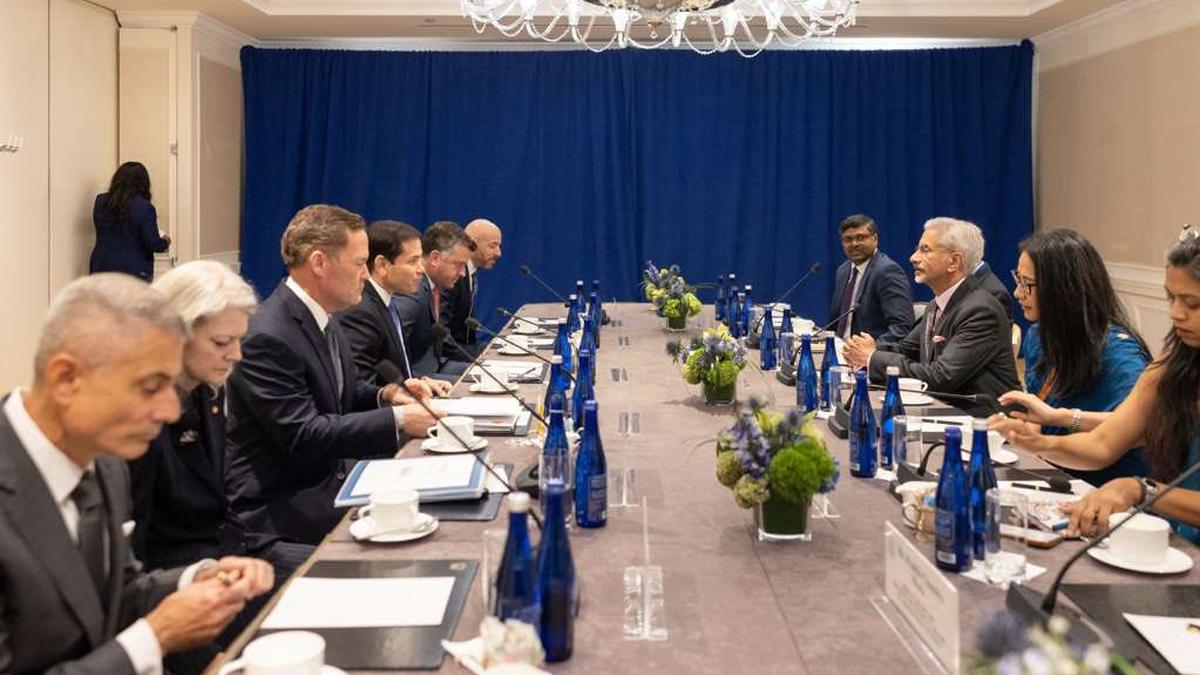
Jaishankar Discusses US Tariff Concerns with Secretary Rubio
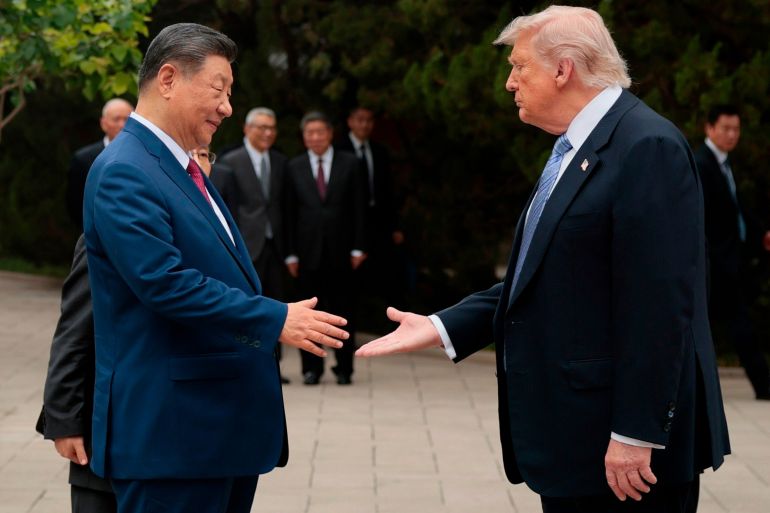
US and China Leaders Discuss AI Rivalry Amid Global Concerns
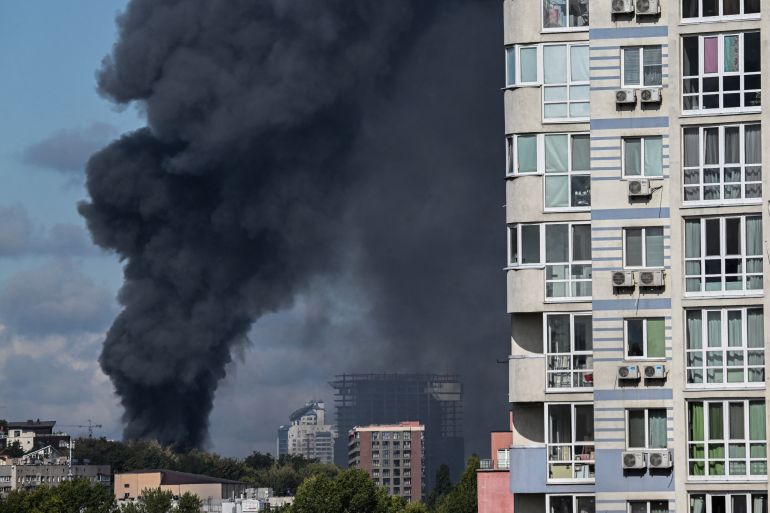
Russian Drone Strikes Kyiv, Donetsk Following Zelenskyy-Trump Talks