Iran Rejects US Ceasefire Proposal Amid Ongoing Military Tensions


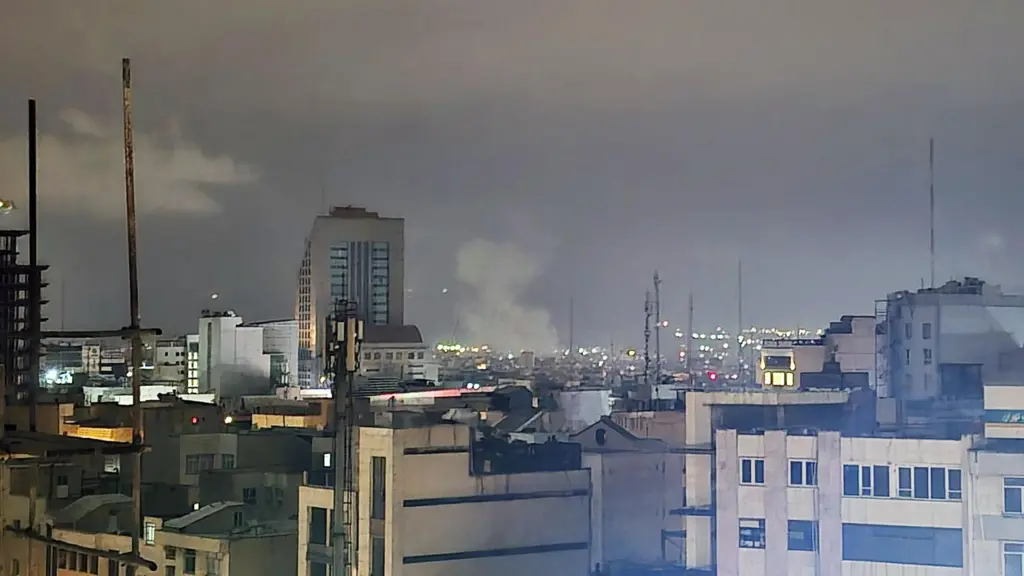
Iranian officials have conveyed their initial disapproval of a ceasefire proposal presented by the United States. This response comes as intermediaries from Pakistan suggest that direct talks between the two nations may commence as early as this weekend.
The US plan consists of 15 points that reportedly cover a range of significant issues. These include proposals for sanctions relief for Iran, the dismantling of its nuclear programme, limitations on missile use, and the reopening of the Strait of Hormuz—a crucial maritime pathway that facilitates around 20% of global oil trade. Additionally, an Egyptian official indicated that the plan would seek to limit Iran's support for armed groups operating throughout the Middle East.
However, many elements of this proposal mirror past negotiations, which have previously proven challenging. A senior Iranian official described the proposal as "extremely maximalist and unreasonable". Other officials stated that while the country was still assessing the plan, it appeared excessively favourable to US interests.
In the wake of this diplomatic exchange, Tehran continued its military actions against both Israel and Gulf countries, including an attack that resulted in substantial damage at Kuwait International Airport. Responses from Israel included ongoing bombardments targeting Iranian positions.
Lt Colonel Ebrahim Zolfaghari, speaking on behalf of Iran's military, stated, "Our first and last words have been the same from day one, and it will stay that way: someone like us will never come to terms with someone like you." This statement underscores the ongoing distrust and hostility between Iran and the US, particularly following previous military actions that have taken place amidst negotiations.
Iran has consistently maintained its stance on its ballistic missile programme and regional influence, viewing these as essential components of its national defence strategy against its adversaries, including the US and Israel.
As diplomatic discussions progress, the potential for in-person negotiations could unfold in Pakistan or possibly Turkey. However, the US administration has faced internal pressures, as many Americans express dissatisfaction with the war efforts in Iran. A recent poll indicated that 59% of Americans believe the US military involvement has "gone too far", with President Donald Trump's approval ratings hitting a record low of 36% due to rising fuel prices exacerbated by the conflict.
Reports suggest that Trump's administration is currently in dialogue with a faction of the Iranian government, although clarity exists regarding the specific individuals involved in these negotiations. Iranian officials have voiced skepticism about rebooting dialogue, particularly after experiencing previous attacks during discussions, including US strikes against nuclear facilities during the last conflict.
Despite the fragile nature of negotiations, military activity in the region has intensified. The US is reported to be deploying additional troops to the Middle East, with orders for at least 1,000 personnel from the 82nd Airborne Division, in addition to thousands more Marines and sailors.
This military buildup coincides with plans to potentially invade Iran's Kharg Island, a critical site for the nation’s oil exports, representing 90% of its crude output. Such developments have led to heightened tensions, with Israel continuing airstrikes targeting Iranian installations while Iran retaliates with missile launches, escalating the cycle of violence.
In Lebanon, Israel has intensified its campaign against Hezbollah, conducting airstrikes and engaging in ground battles, while Hezbollah continues to target northern Israel with its own attacks. The conflict remains dynamic as regional actors respond to each other’s military actions, with human rights groups raising alarms over possible war crimes in the targeting of civilian infrastructure.
As this situation evolves, the international community watches closely, hoping for a de-escalation of hostilities in an already volatile region.
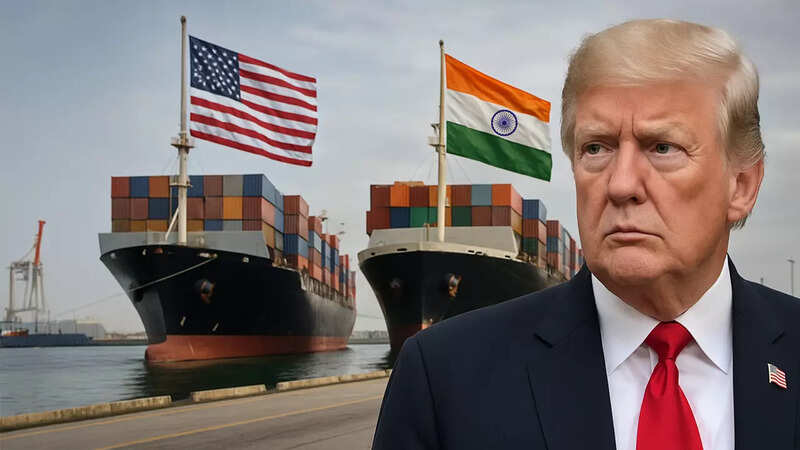
Impact of Trump's Tariff Law on India's Oil Imports and Trade
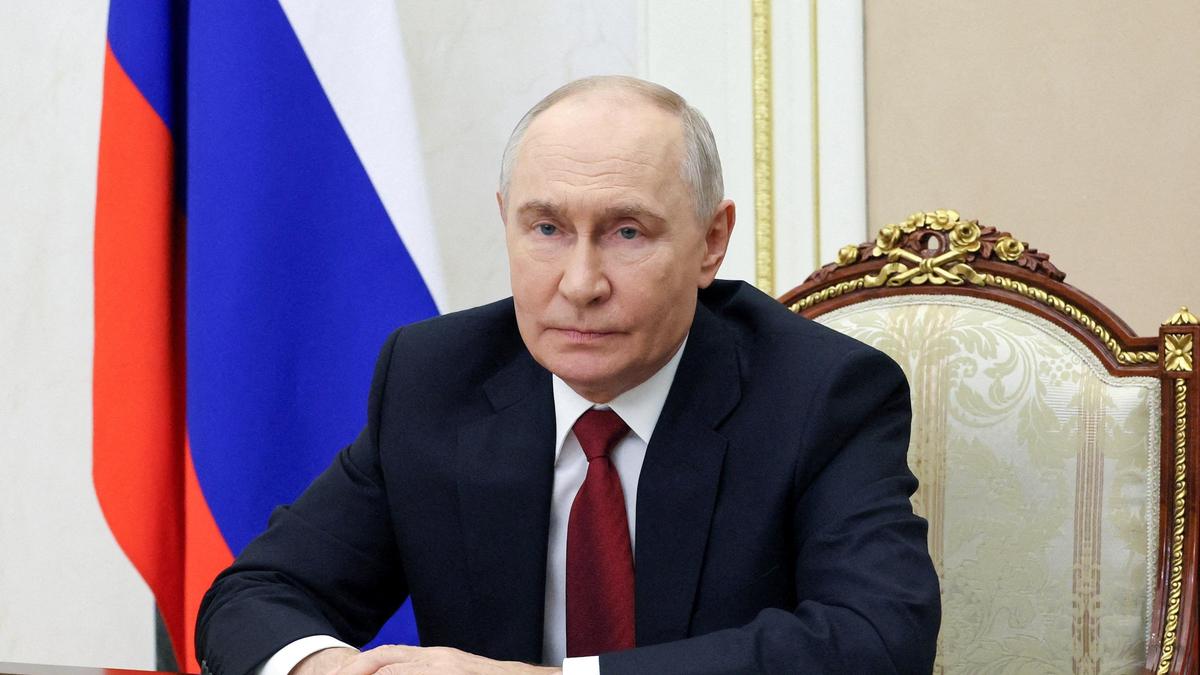
United Russia Party Secures Supermajority Despite Ukraine Conflict
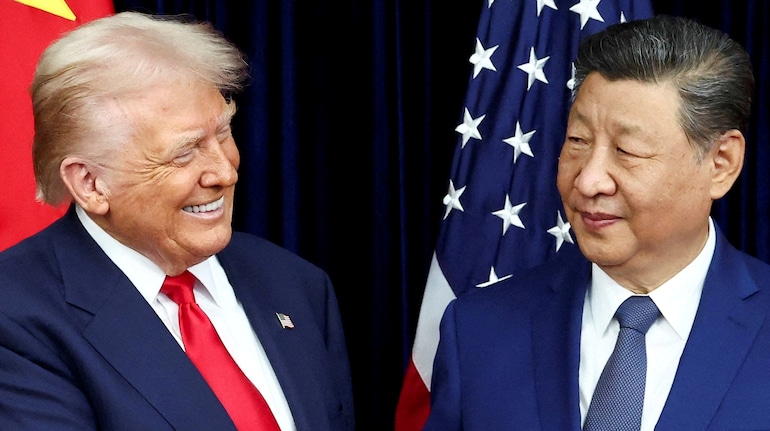
Xi Jinping's US Visit Planned Amid Economic Tensions with Trump
India's External Affairs Minister to Address UNGA Amid US Tariff Changes