India's Petroleum Ministry Moves to Enhance Natural Gas Infrastructure


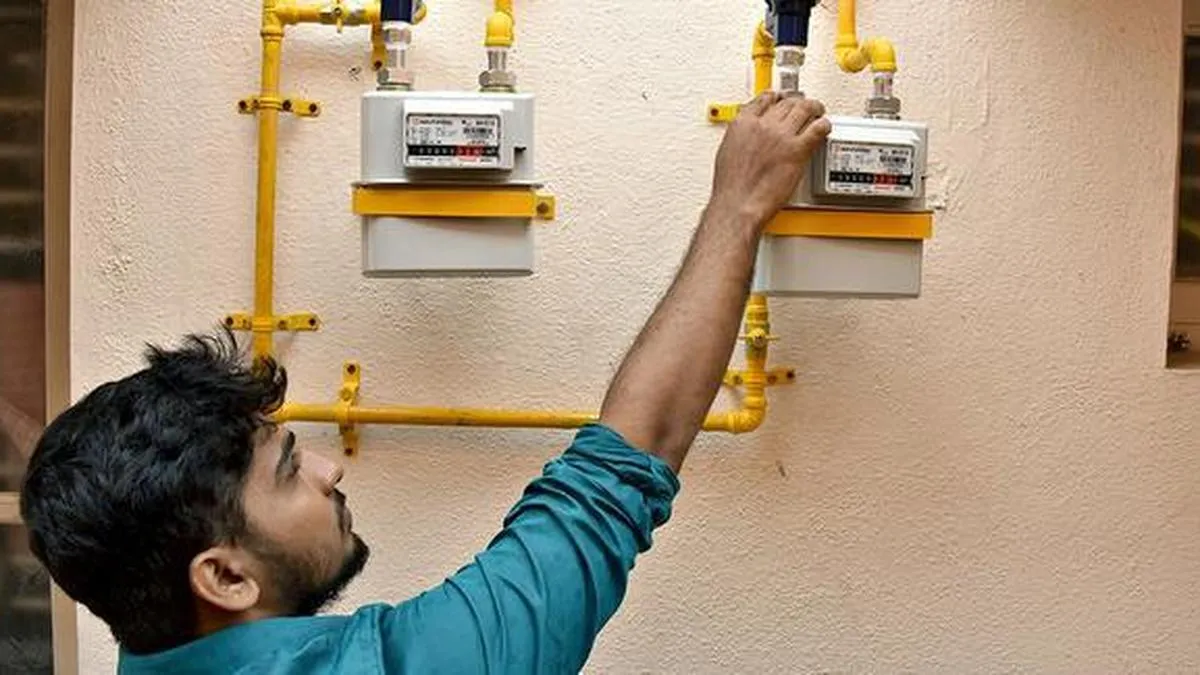
On March 24, 2026, the Ministry of Petroleum and Natural Gas (MoPNG) in India took significant steps to bolster the country's piped natural gas (PNG) infrastructure. These measures are intended to alleviate the pressure on liquefied petroleum gas (LPG) supplies, which have been impacted by ongoing tensions in West Asia.
The reforms, enacted under the Essential Commodities Act, are designed to streamline the expansion of the PNG network for both residential and commercial use. In a detailed statement, the Ministry outlined its objectives of reducing delays related to approvals and improving access to land, thereby facilitating faster development of natural gas infrastructure.
Among the changes, the MoPNG aims to foster a more investor-friendly environment while enhancing last-mile connectivity. This initiative is crucial given that the domestic production of LPG currently meets only 50-60% of the country's consumption needs. To support a transition to piped gas, the Ministry recently increased the allocation of commercial LPG cylinders by up to 50%, with a stipulation that states and union territories advance the establishment of the piped gas network.
A central component of the reforms involves simplifying compliance burdens. The Ministry has announced procedural changes and clarified documentation requirements to encourage investment and growth in this sector. Officials indicated that the push could lead to the addition of up to 1.5 million new PNG connections within two weeks.
The directives issued include specific timelines for action. For example, laying steel pipelines under 20 inches in diameter is mandated to take no longer than 10 days, while larger installations covering distances beyond 10 kilometres must be completed within 60 days. In public areas not designated as housing, if an application for laying pipelines is not granted or rejected within a certain timeframe, it will be considered automatically approved.
Furthermore, the new policy introduces a compensation and restoration mechanism aimed at minimising disputes with local authorities, addressing complexities with ‘dig and restore’ and ‘dig and pay’ processes.
In housing areas, relevant entities are required to grant permission for pipeline installation within three days. Additionally, approvals for last-mile connectivity must be dispensed within 48 hours, ensuring that households in designated areas are not left without gas supply. If necessary permissions are not granted, LPG supply will cease within three months, although this can be avoided if the distribution entity issues a no-objection certificate indicating that a piped natural gas connection cannot be technically provided.
These reforms represent a significant move towards enhancing the infrastructure for natural gas in India, aiming to secure energy supplies amidst a challenging global context. The Ministry’s efforts reflect a broader strategy to modernise gas accessibility across the nation, as officials work to overcome obstacles posed by existing municipal infrastructures.
Concerns Rise Over Delhi Voter Registration Discrepancies
Controversy Erupts Over Rahul Gandhi's PM Modi Mimicry at Event

Father of IIT Bombay Student Calls for Action Against Discrimination

India and Japan Conduct Joint Air Exercise 'Veer Guardian-2026'