India Proposes FCRA Bill to Strengthen Control Over NGO Assets


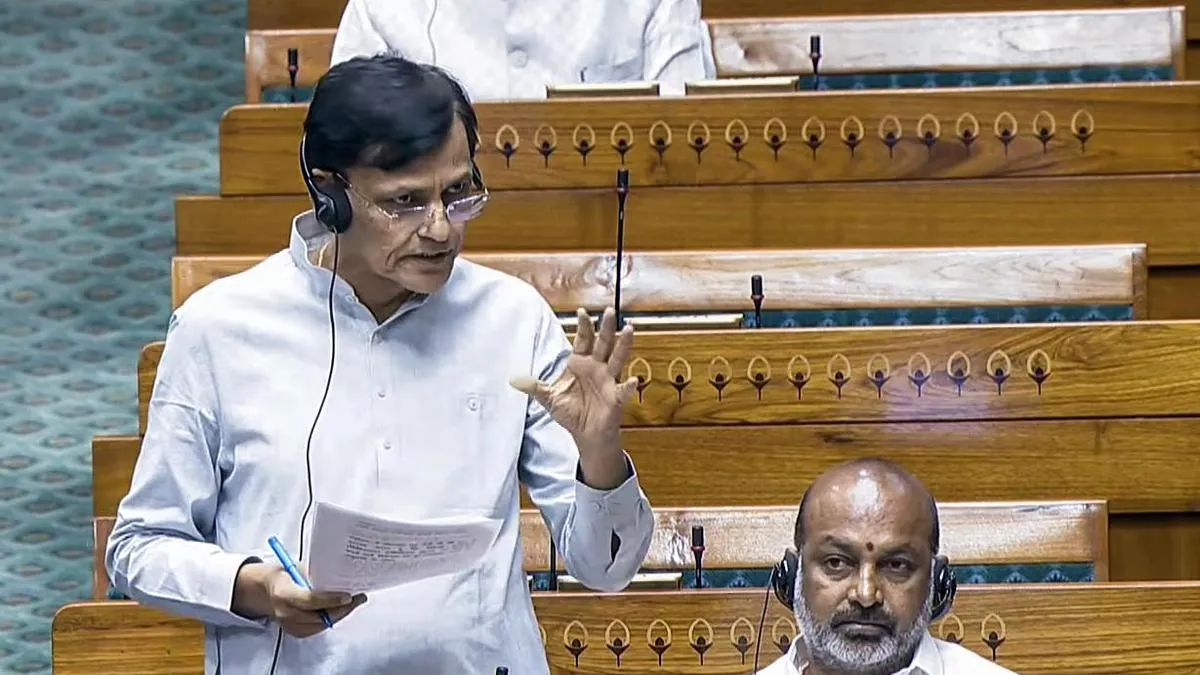
In a significant legislative move, the Indian government has introduced the Foreign Contribution (Regulation) Amendment Bill, 2026, in the Lok Sabha. This new bill seeks to tighten oversight of foreign-funded non-governmental organisations (NGOs) and proposes the establishment of a designated authority responsible for managing the assets of NGOs that have had their foreign fundraising licenses revoked or allowed to expire.
The bill, presented by Union Minister of State for Home Affairs Nityanand Rai, aims to bridge operational and legal gaps identified in the existing Foreign Contribution (Regulation) Act, 2010 (FCRA). Approximately 16,000 organisations currently operate under the FCRA, collectively receiving approximately ₹22,000 crore ($2.6 billion) in foreign contributions annually.
One of the most notable aspects of the proposed bill is the framework allowing the government to assume control of the assets of NGOs whose FCRA registration is revoked, surrendered, or not renewed. The designated authority will have the power to manage and possibly sell these assets for public purposes. According to the bill, any foreign contributions associated with an NGO that loses its registration will be provisionally vested in this authority and, if the NGO does not regain its status, this control may become permanent.
"The Modi government will not tolerate any misutilisation of foreign funding and will take strong action against such elements," Mr. Rai stated during the introduction of the bill. He addressed criticisms from opposition parties, arguing that the bill is essential for preventing the misuse of foreign funds by certain groups, particularly those involved in forced religious conversions.
The bill also aims to clarify the process by which an NGO's registration lapses, establishing specific conditions under which an NGO's right to manage foreign funds will end. The proposed legislation significantly reduces the maximum jail term for violations of the FCRA from five years to one and expands individual accountability by holding key functionaries in NGOs personally responsible for breaches of the law.
Opponents of the bill have expressed concern about the potential for abuse of power. Critics, including Congress leader Manish Tewari and members of the Trinamool Congress, suggest that the bill centralises authority and grants sweeping powers to the government without adequate safeguards.
In addressing these criticisms, the bill’s proponents highlight its intent to provide clear guidelines for the management of foreign contributions. They argue that ambiguities in the previous law contributed to implementation difficulties, including inconsistent penalties and a lack of clear timelines for fund use.
As the legislative process unfolds, it will be crucial to observe how the proposed changes impact the relationship between the Indian government and non-profits operating within its borders. The bill, if passed, will represent a significant shift in the framework governing foreign contributions and their handling by NGOs in India.
Concerns Rise Over Delhi Voter Registration Discrepancies
Controversy Erupts Over Rahul Gandhi's PM Modi Mimicry at Event

Father of IIT Bombay Student Calls for Action Against Discrimination

India and Japan Conduct Joint Air Exercise 'Veer Guardian-2026'