Indian Government Approves ₹28,840 Crore Revamp of UDAN Scheme


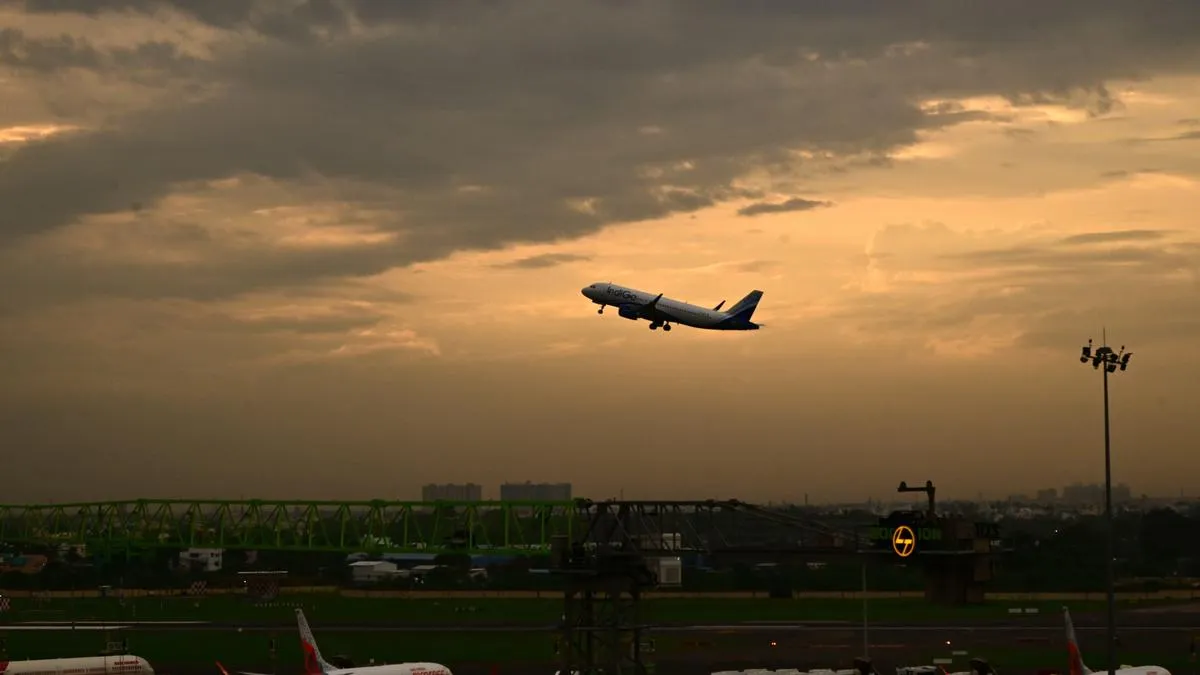
The Indian government has revealed a significant overhaul of its flagship aviation connectivity initiative, the UDAN scheme, with a total financial allocation of ₹28,840 crore, a substantial increase from previous budgets.
This updated scheme not only aims to renovate existing airports but also ensures ongoing support for the operations and maintenance of airlines. As part of the new approach, the Union government has prolonged the subsidy duration for airlines servicing select Tier-2 and Tier-3 routes under the UDAN scheme from three years to five years. This decision follows a decline in usage for many of these routes.
On 25 March 2026, the Union Cabinet authorised the updated UDAN scheme, which includes approximately ₹10,043 crore earmarked for airline subsidies over the next decade aimed at fostering regional air travel. A government representative indicated that airlines will be eligible for these subsidies for a five-year period for designated routes.
Previously, subsidies were financed through a Regional Connectivity Scheme levy included within airfare for non-UDAN routes. However, this model faced scrutiny as a recent report by the Comptroller and Auditor General found that merely 7% to 10% of these routes continued to be profitable following the subsidy period.
As of February 2026, out of the 663 routes launched since the UDAN scheme's inception in 2017, 327 have been discontinued, according to data shared in Parliament by Minister of State for Civil Aviation Muralidhar Mohol. The report also revealed that 15 of the 95 airports revitalised through the scheme have also ceased operations.
The operational framework of the UDAN scheme relies on a bidding system where airlines vie for routes connecting less accessible towns and cities. Airlines that secure the routes receive viability gap funding, or subsidies, amounting to 50% of their aircraft's seating capacity. In return, they are required to offer 50% of their seats on these routes at a fixed rate of ₹2,500 per hour of flight, which is designed to make travel more economical.
The recent budget of ₹28,840 crore for the UDAN scheme marks a nearly six-fold increase compared to initial funding of ₹4,500 crore designated for a ten-year period when the scheme was launched in 2017, primarily aimed at reviving unused airports. The revamped UDAN programme will see the redevelopment of 100 airports from previously unused airstrips, with an investment of ₹12,159 crore planned over the next eight years to elevate the regional aviation framework.
Beyond the focus on infrastructure, the newly modified scheme encompasses support for airport operations and maintenance at low-traffic facilities. The funding for these activities is capped at ₹3.06 crore per airport and ₹90 lakh per helipad or water aerodrome, amounting to an estimated total of ₹2,577 crore across approximately 441 aerodromes.
To enhance connectivity to remote and challenging areas, the plan includes the development of 200 helipads at a cost of ₹15 crore each, leading to an overall investment of ₹3,661 crore. Additionally, the scheme outlines a strategy for the purchase of two HAL Dhruv helicopters for Pawan Hans and two HAL Dornier aircraft for Alliance Air as part of its wider objectives.
Concerns Rise Over Delhi Voter Registration Discrepancies
Controversy Erupts Over Rahul Gandhi's PM Modi Mimicry at Event

Father of IIT Bombay Student Calls for Action Against Discrimination
India and Japan Conduct Joint Air Exercise 'Veer Guardian-2026'