Intense Heatwave Affects Central and Northwestern India as Monsoon Delayed


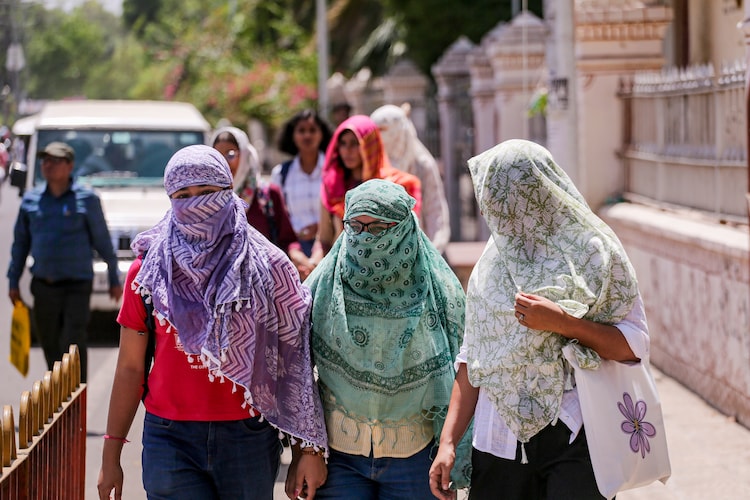
Large areas of central and northwestern India are currently experiencing extreme heat, with temperatures soaring as the southwest monsoon has yet to arrive. As of Wednesday, 27th May 2026, regions such as Banda in Uttar Pradesh recorded a staggering 47.4°C on Tuesday, according to the India Meteorological Department (IMD).
Maximum temperatures across Madhya Pradesh, Rajasthan, eastern Uttar Pradesh, Haryana, and Vidarbha in Maharashtra have ranged from 45°C to 47°C. Most other regions of the country, apart from the northeast, western Himalayas, the west coast, and parts of interior Tamil Nadu, also recorded high temperatures between 40°C and 45°C.
Indian Prime Minister Narendra Modi took to X, urging citizens to stay hydrated and be vigilant regarding symptoms of heat exhaustion such as dizziness or extreme fatigue. He particularly emphasised the need for care among children, the elderly, and outdoor workers, suggesting that people leave bowls of water outside for birds and animals.
The IMD highlighted that heatwave to severe heatwave conditions have been prevalent in isolated areas of eastern Uttar Pradesh and western Rajasthan, with similar conditions reported over parts of Madhya Pradesh, southern Haryana, and Chhattisgarh. These oppressive temperatures are expected to persist in central and northwestern India for the next few days, with some relief projected from 29th May onwards.
Forecasts indicate a new western disturbance likely to affect northwest India from 28th May, which could lead to a drop in maximum temperatures by 6°C to 8°C between 28th and 30th May, alongside potential thunderstorms and squally winds reaching speeds of up to 70 km/h, as well as the possibility of hail and dust storms.
Simon Stiell, the executive secretary of the United Nations Framework Convention on Climate Change (UNFCCC), expressed concern regarding the extreme heat impacting large segments of India, associating it primarily with climate change related to fossil fuel consumption. He noted that India has recently observed peak electricity demand, with renewable energy sources being crucial in managing daytime needs.
As for the monsoon, IMD observed that it has advanced into certain parts of the Arabian Sea, the Lakshadweep area, and the Bay of Bengal as of 27th May. While the arrival of the monsoon in Kerala is still anticipated within the four-day error margin from the original forecast of 26th May, conditions are expected to remain favourable for further advancement over the next few days.
However, the upcoming season poses challenges due to the potential arrival of El Niño, a Pacific warming phenomenon that typically suppresses monsoon rainfall in India. Reports as of mid-May indicated that the equatorial Pacific was transitioning into El Niño conditions, with temperature anomalies in the Niño3.4 region reaching +0.9°C. Current forecasts place the odds of El Niño during the May to July interval at around 98%.
The IMD has already warned of below-normal monsoon rainfall for 2026, raising concerns for approximately 60% of Indian farmers reliant on seasonal rains for their kharif crop.
Kerala Initiates Probe into 2006 Suicide Case Involving CEC

Extradition of Sheikh Hasina Feasible, Says Indian High Commissioner

Punjabi Makeup Artist Mad Sandhu Shot Dead in Amritsar

India Achieves Fourth Place at Asian Games 2026 Through Late Success