Ebola Outbreak in DRC Claims Over 200 Lives, Risks Spread to Neighbours


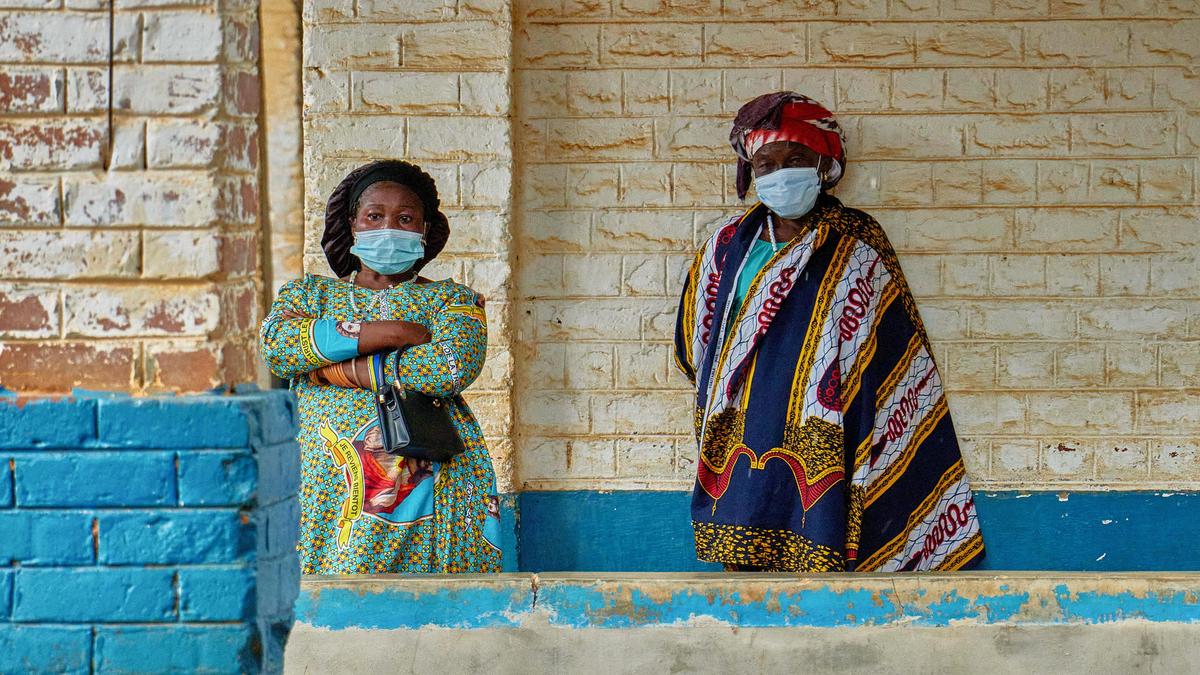
The ongoing Ebola outbreak in the Democratic Republic of Congo (DRC) has seen the death toll climb to 204, following updates from officials on Saturday, May 23, 2026. This figure emerged after the International Federation of Red Cross and Red Crescent Societies reported the deaths of three volunteers in Ituri province, where the epidemic is primarily located.
The DRC's Health Ministry reported that there are currently 867 suspected cases across three provinces. The World Health Organization (WHO) had indicated a lower death toll of 177 from 750 suspected cases just days earlier. This disconnect in numbers highlights the rapidly evolving nature of the crisis.
In light of the outbreak, the WHO has classified the situation as an international emergency. On the same day, the African Union's health agency warned that other countries on the continent may also be at risk. Jean Kaseya, head of the Africa Centres for Disease Control and Prevention (Africa CDC), identified ten additional countries vulnerable to the virus, including Angola, Burundi, and Kenya, attributing the risk to factors such as "high mobility and insecurity" in the region.
In Uganda, three new Ebola cases were confirmed, bringing the total number in the country to five since the first cases were identified on May 15. The new patients, including a driver and a health worker, are currently alive. The situation has prompted Uganda to suspend public transport to the DRC following initial cases in connection with Congolese nationals.
Ebola, a severe viral disease, is transmitted through direct contact with bodily fluids, often resulting in severe bleeding and organ failure. The current outbreak is caused by the Bundibugyo strain of the virus, which lacks approved vaccines or treatments, making it particularly challenging to manage.
The epidemic's epicentre is in the conflict-affected eastern DRC, where state services have struggled to operate effectively due to decades of instability. The Congolese Health Minister, Samuel Roger Kamba, emphasised the need for the government to establish full control over its territory to effectively curb the virus's spread. "This is everyone's problem," he stated, reinforcing the urgent need for a coordinated response.
The situation remains fluid, with health officials on high alert as they monitor the evolving outbreak. The WHO has raised the risk level in the DRC to "very high," reflecting the growing concern over the potential for wider transmission across Africa and beyond.
As the outbreak continues to develop, health agencies are intensifying efforts to contain the virus, aiming to prevent further fatalities and reduce the risk to surrounding nations.
Kerala Initiates Probe into 2006 Suicide Case Involving CEC
Extradition of Sheikh Hasina Feasible, Says Indian High Commissioner

Punjabi Makeup Artist Mad Sandhu Shot Dead in Amritsar

India Achieves Fourth Place at Asian Games 2026 Through Late Success