Research Advances in Vaccine for Bundibugyo Virus in Congo Outbreak


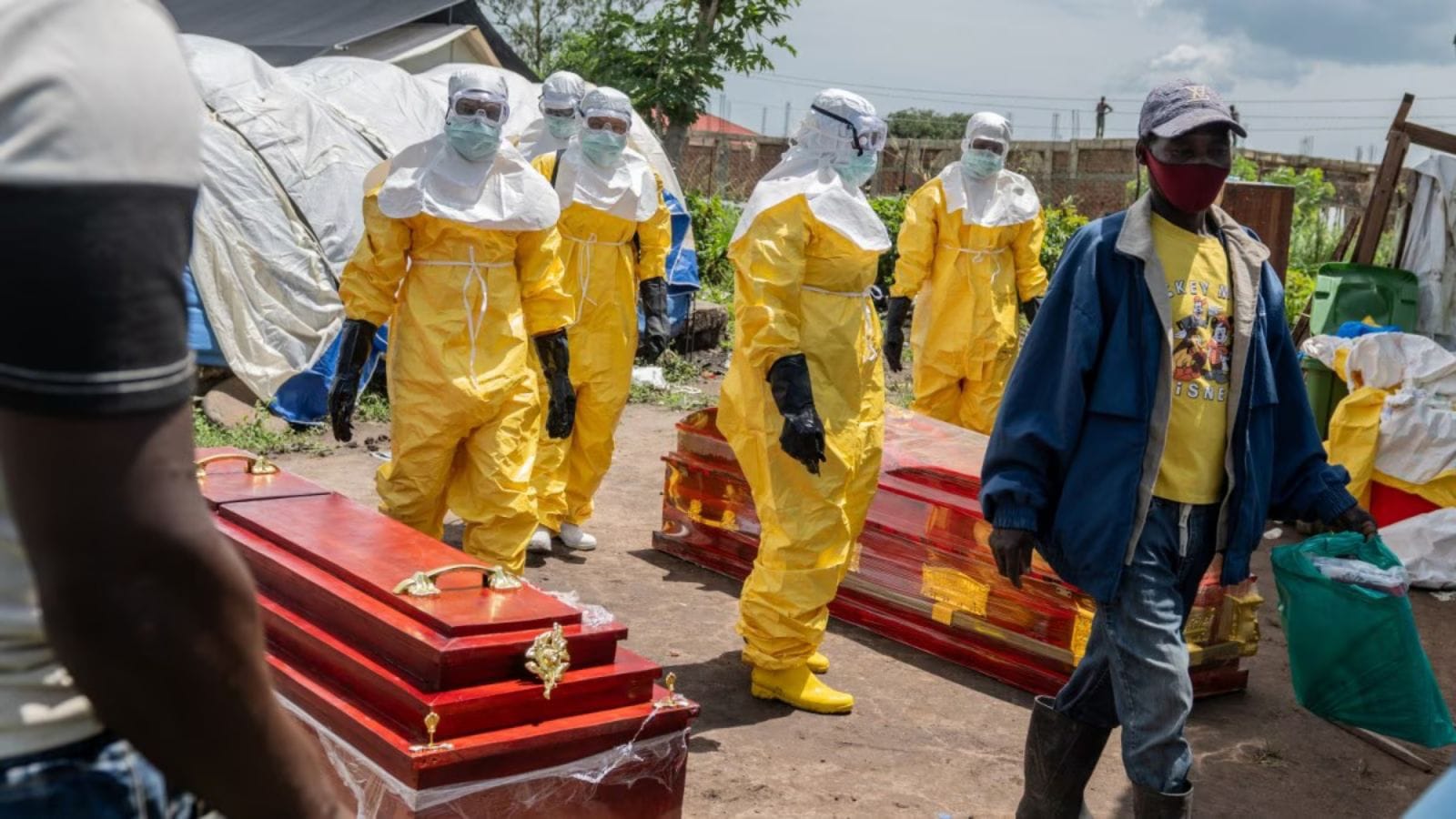
Scientists are focusing on developing a vaccine to address the recent outbreak of Bundibugyo virus in the Democratic Republic of the Congo (DRC). Soligenix, Inc., a biopharmaceutical company based in Princeton, has partnered with Dr. Axel Lehrer from the University of Hawaiʻi at Mānoa to create a new vaccine formulation.
The Bundibugyo virus is an Orthoebolavirus, which has been linked to previous Ebola outbreaks. Recent data indicates that this virus is responsible for a surge of infections in the DRC, with health reports noting 80 fatalities and 246 suspected cases as of mid-May 2026. The outbreak has prompted urgent calls for new vaccine solutions.
Soligenix has previously established bivalent and trivalent vaccines designed to combat Ebola, Sudan, and Marburg viruses, demonstrating critical attributes such as thermostability, immunogenicity, and durability.
According to Dr. Lehrer, the compatibility of the key antigen from the Bundibugyo virus allows for accelerated development of a protein-based subunit vaccine. "Our filovirus vaccines have demonstrated broad and robust immune responses in mice and up to 100% protection in non-human primates," Dr. Lehrer stated. He elaborated on how the new vaccine is designed to remain stable at ambient temperatures, which is particularly beneficial for deployment in regions affected by these viruses.
The proposed single-vial subunit vaccine could enhance global vaccination efforts by simplifying distribution logistics. The formulation can be shipped without refrigeration and requires only reconstitution with sterile water before use. This operational advantage is seen as crucial for effective vaccination strategies in virus-endemic countries in Africa and for stockpiling in preparation for potential major outbreaks.
Christopher J. Schaber, President and Chief Executive Officer of Soligenix, emphasised the importance of the ThermoVax® platform, a strategy that has been effective in stabilising vaccines for several pathogens, including ricin toxin and COVID-19. He remarked, "We believe this enhancement makes protein subunit vaccines competitive with other technologies that require more stringent cold storage."
The vaccines incorporate key proteins from the viruses, which stimulate the immune system without introducing a risk of infection. A unique adjuvant is included to bolster both humoral and cell-mediated immune responses, while using Generally Regarded As Safe (GRAS) excipients that facilitate freeze-drying of the vaccines.
Preliminary studies indicate heat stability for a minimum of two years at temperatures of at least 40 degrees Celsius (104 degrees Fahrenheit), a significant advantage for practical usage in areas lacking robust refrigeration facilities.
Soligenix has received Orphan Drug Designation from the United States Food and Drug Administration (FDA) for its vaccines targeting Sudan and Marburg viruses. This designation provides a range of benefits, including potential government grants and market exclusivity upon FDA approval.
It is important to note that the filovirus family, which includes the Ebola virus, has caused numerous outbreaks since 1967. The recent incidents demonstrate the necessity for continued research and development of effective vaccines to mitigate the impact of these devastating viruses.

Kerala Initiates Probe into 2006 Suicide Case Involving CEC

Extradition of Sheikh Hasina Feasible, Says Indian High Commissioner

Punjabi Makeup Artist Mad Sandhu Shot Dead in Amritsar

India Achieves Fourth Place at Asian Games 2026 Through Late Success