Indian Nationalised Banks Reduce Lending Rates After RBI Cut


Mumbai: In response to the Reserve Bank of India's (RBI) recent decision to lower the repo rate by 25 basis points, several nationalised banks in India have announced reductions in their lending rates for retail loans. This move, which affects home, car, and education loans, is aimed at easing financial burdens for borrowers. Among the banks adjusting their rates are Punjab National Bank, Bank of Maharashtra, Bank of India, Indian Bank, and Bank of Baroda, each trimming their Repo Linked Lending Rates (RLLR) by 25 basis points. Other financial institutions are anticipated to follow suit, with major private banks expected to announce similar cuts after mid-January.
The RBI's repo rate now stands at 5.25%. While one basis point equates to one-hundredth of a percentage point, banks have opted not to adjust the Marginal Cost of Lending Rate (MCLR), which primarily affects corporate loans, as a strategy to maintain their profit margins. Bank of Maharashtra has set its new home loan rate at 7.10% and car loans at 7.45%, effective immediately. Meanwhile, Indian Bank has reduced its RLLR from 8.20% to 7.95%, and Punjab National Bank has adjusted its rate from 8.35% to 8.10%. As stated by a spokesperson for Bank of Baroda, their new RLLR is now 7.90%, down from 8.15%. It is noteworthy that public sector banks typically implement repo rate reductions promptly, while some lenders adopt a monthly reset policy, meaning customers may not see changes until the following month. On the other hand, many private and foreign banks operate on a quarterly reset basis, delaying the impact until the next quarter. Vipul Patel, founder and CEO of MortgageWorld, explained how the rate cut can significantly benefit borrowers.
He noted, "A home loan borrower with a ₹50 lakh loan linked to the repo rate at 7.5% for a 25-year term would see their Equated Monthly Instalment (EMI) decrease from ₹36,950 to ₹36,140, saving ₹2.42 lakh in total interest over the loan duration. Alternatively, maintaining the EMI while shortening the loan tenure could reduce the payment period from 300 months to 282 months, saving ₹6.48 lakh in interest." This adjustment is in line with the RBI's 2019 mandate requiring banks to link retail loans to external benchmark lending rates, typically the RBI's repo rate, with an additional spread based on the borrower's profile.
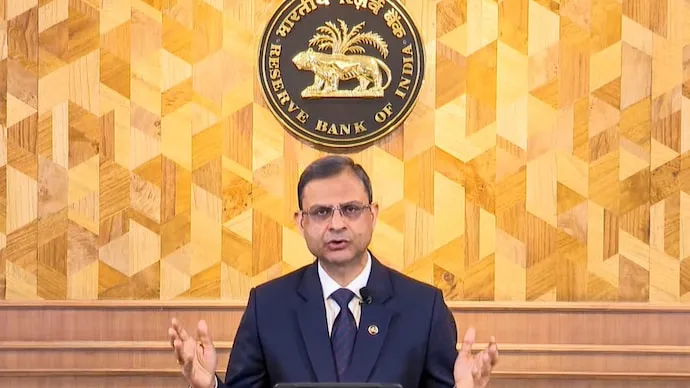
The Monetary Policy Committee (MPC), led by RBI Governor Sanjay Malhotra, unanimously supported the repo rate reduction, reflecting a strategic decision to balance low inflation rates with strong economic growth, which was recorded at 8.2% for the second quarter of fiscal year 2026. According to Malhotra, this moment presents an opportunity for economic growth that is well-aligned with inflationary trends, often referred to as a 'Goldilocks' scenario. Analysts have noted that while the RBI's decision comes amid robust GDP growth, it also accounts for potential global economic uncertainties that could impact domestic demand. Lower interest rates are expected to promote consumption, especially during the festive season, and provide relief to industries hesitant to invest amid geopolitical risks.
According to Soumya Kanti Ghosh, Chief Economic Advisor at State Bank of India, the MPC's choice to cut rates signals a proactive approach to anticipated external shocks. Despite high GDP growth, ongoing geopolitical tensions and trade uncertainties remain potential challenges for future economic performance. The RBI projects a modest inflation rate of 1.8% for the latter half of the fiscal year. Furthermore, the central bank has announced open market operations to purchase ₹1 lakh crore in government securities in December, marking the largest such purchase since May 2025. This move aims to enhance liquidity in the market while addressing ongoing economic challenges.
Trump and Xi Discuss Trade, AI, and Taiwan Amid Diplomatic Tensions
Xi Jinping Seeks Greater Concessions from Trump Amid Trade Talks
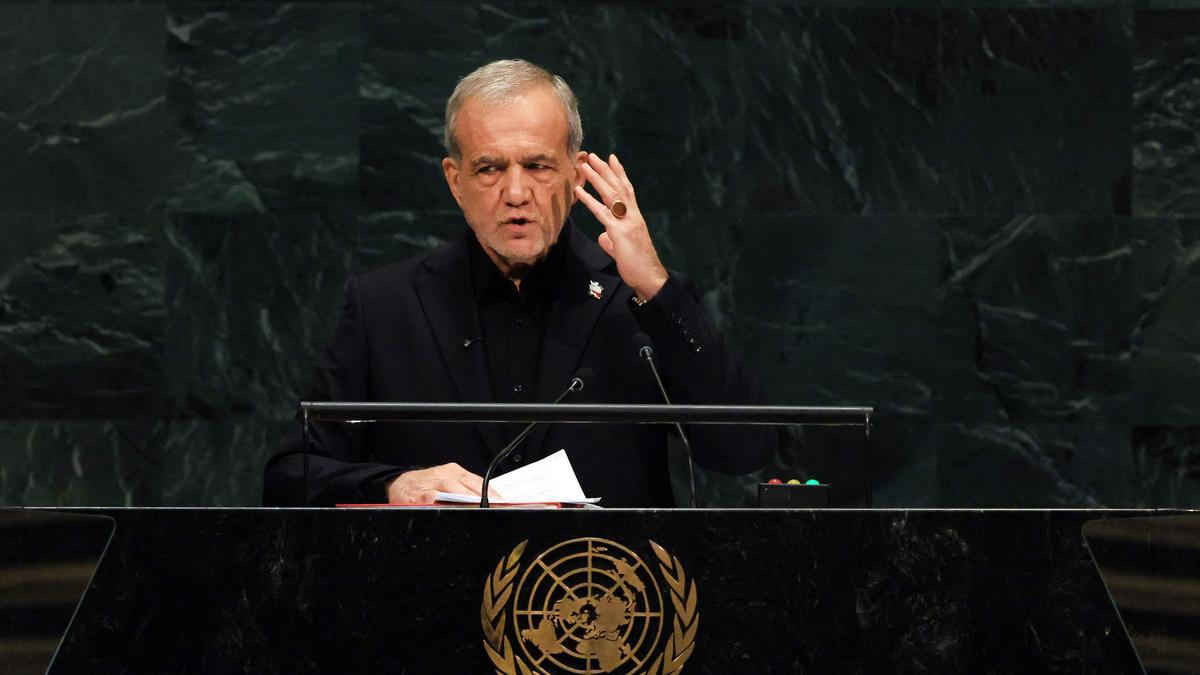
Iran's President Addresses Ongoing Conflict and External Threats
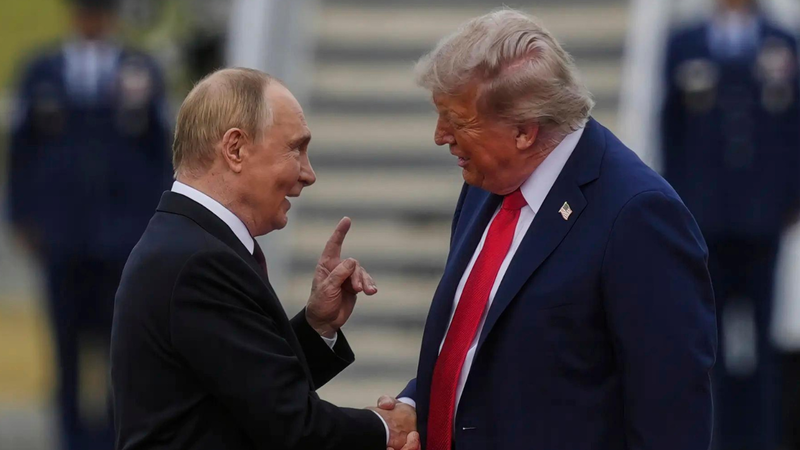
United States Invites Vladimir Putin to Miami G20 Summit