Rahul Gandhi Criticises Modi's COVID Comparison Amid West Asia Crisis


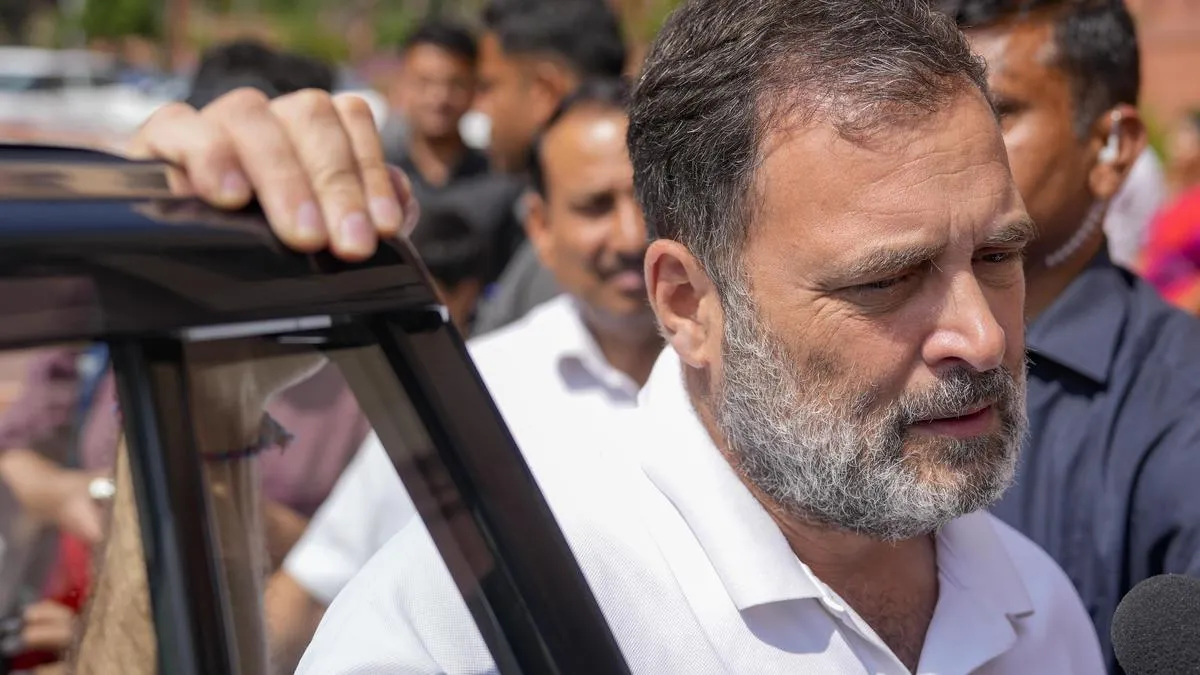
In a recent session of Parliament, Rahul Gandhi, the Leader of Opposition in the Lok Sabha, strongly admonished Indian Prime Minister Narendra Modi for drawing parallels between the ongoing conflict in West Asia and the COVID-19 pandemic. Gandhi asserted that the Prime Minister had seemingly overlooked the profound tragedies experienced during the pandemic, stating, “He has forgotten what had happened then, how many people had died and what kind of tragedies had unfolded.”
The remarks came on March 24, 2026, when Modi made a contentious address regarding global events. During his comments, the Prime Minister suggested that the fallout from the West Asia crisis could mirror the challenges faced during the pandemic. Gandhi, speaking to reporters outside Parliament, dismissed Modi’s speech as irrelevant and suggested that he was not representing India effectively in light of the geopolitical crisis.
Gandhi noted that the country’s foreign policy appears to be more of Modi’s personal agenda rather than a national interest, describing the situation as one that had become a topic of derision internationally. He remarked, “Everybody considers this a universal joke.” He further emphasised that compromised leadership leads to compromised foreign policy.
Despite an all-party meeting convened by the government on the West Asia situation, Gandhi declared his inability to attend due to prior engagements in Kerala, which is gearing up for elections. He expressed that while discussions are critical, there are structural issues that cannot simply be corrected by dialogue alone.
In a pointed critique, Gandhi stated, “The PM cannot do it. I can give it to you in writing, the PM will do what America and Israel say. He will not work in the interest of India.”
In a separate but related critique, the Indian National Congress has also voiced concerns regarding reports that Pakistan may serve as a mediator between Iran and the United States. Congress communications chief Jairam Ramesh suggested that these developments represent a significant setback for India’s diplomatic standing. He linked this deterioration to Modi’s earlier diplomatic choices, particularly a visit to Israel, which coincided with escalating tensions in the region. Ramesh described Modi’s actions as a “singularly disastrous choice,” noting that it hindered India’s capacity to mediate effectively in the ongoing conflict.
As the geopolitical landscape continues to shift, the criticisms from Gandhi and the Congress party reflect ongoing tensions within Indian political discourse regarding foreign policy and national interests. These discussions are poised to intensify as the government navigates this complex international scenario while facing domestic political pressures.
Concerns Rise Over Delhi Voter Registration Discrepancies
Controversy Erupts Over Rahul Gandhi's PM Modi Mimicry at Event

Father of IIT Bombay Student Calls for Action Against Discrimination
India and Japan Conduct Joint Air Exercise 'Veer Guardian-2026'