Indian Economy Vulnerable to Energy Price Shocks Amid Crisis


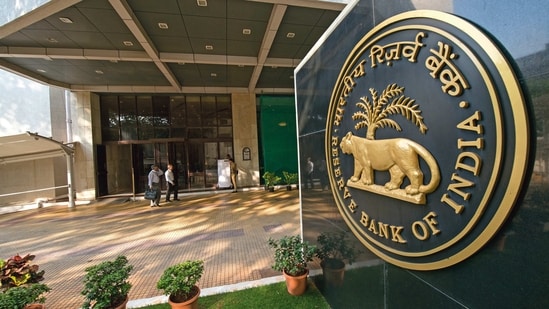
The Reserve Bank of India (RBI) has issued its latest Financial Stability Report, revealing significant concerns regarding the Indian economy's vulnerability to energy price fluctuations and dependency on imports. The findings underscore the potential risks stemming from the conflict in West Asia, asserting that these factors could provoke inflationary pressures and volatility in exchange rates.
Despite these challenges, the RBI report indicates that India's financial sector maintains resilience, bolstered by adequate capital ratios and low levels of non-performing assets, even in a tumultuous global economic landscape. However, it explicitly warns of the country’s exposure to external shocks, due to its reliance on imported oil and other essential commodities.
The Financial Stability Report elaborates that the ongoing crisis in West Asia is affecting emerging market economies, including India, primarily through financial channels. The document notes, "The exchange rate has faced continuous depreciation pressures due to diminished capital inflows and heightened hedging demands from both investors and importers."
Even amidst these issues, the RBI highlights India's position as one of the fastest-growing major economies, supported by strong domestic demand. The report also confirms that inflation remains within the target range, providing a ray of optimism despite global uncertainties.
The report provides insight into the dynamics of government bond yields, which have come under pressure from geopolitical tensions and escalating energy prices. While the RBI has previously committed to fiscal consolidation, these external pressures are increasingly challenging economic stability.
In recent months, the Indian equity market has seen notable underperformance, with numerous stocks reaching new lows due to extensive sell-offs by foreign portfolio investors. The report attributes part of this downturn to concerns surrounding emerging technologies, especially artificial intelligence, and their potential implications for economic stability.
Additionally, while there are signs of easing pressure on the exchange rate and bond yields, the report cautions that tensions in West Asia could reignite volatility within the financial system. It states, "A sharp correction in global equity markets could spill over into domestic markets, driven by a reassessment of corporate earnings and the high valuations observed in AI-related stocks."
The RBI’s study concludes that the fundamental macroeconomic framework of India offers essential buffers against external shocks, but ongoing geopolitical tensions present a continuous risk to both the economy and the financial sector. As geopolitical uncertainties persist, the Indian government and the RBI will need to remain vigilant in navigating these challenges to ensure economic resilience.

SCO National Coordinators' Meeting Begins in Islamabad, Pakistan

Campus Violence at Punjab University Sparks National Debate

Protests Erupt Over Mosque Demolition for Road Widening in Ujjain

Rahul Gandhi Questions Voter Deletions During Visit to Bela Estate