India Sets 60% Non-Fossil Fuel Power Target for 2035


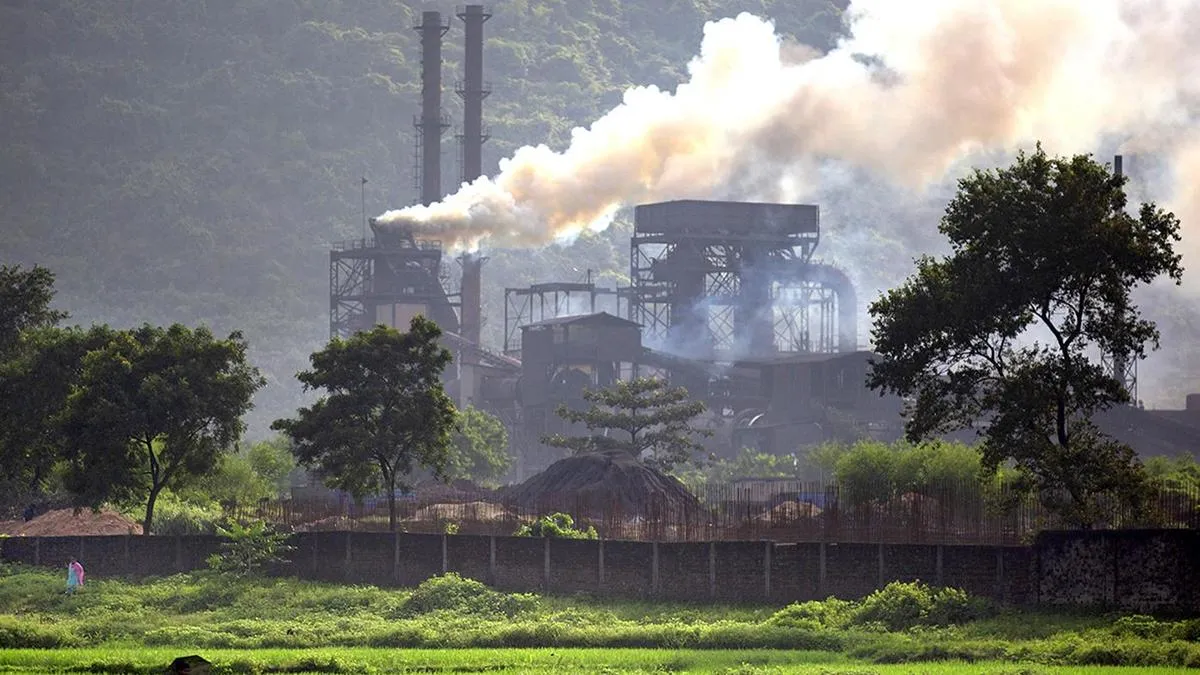
India has announced an ambitious goal to achieve 60% of its installed electric capacity from non-fossil fuel sources by the year 2035. This commitment is part of the country's updated Nationally Determined Contribution (NDC) ahead of its obligations under the Paris Agreement, which calls for a reduction in reliance on fossil fuels and enhanced energy efficiency measures.
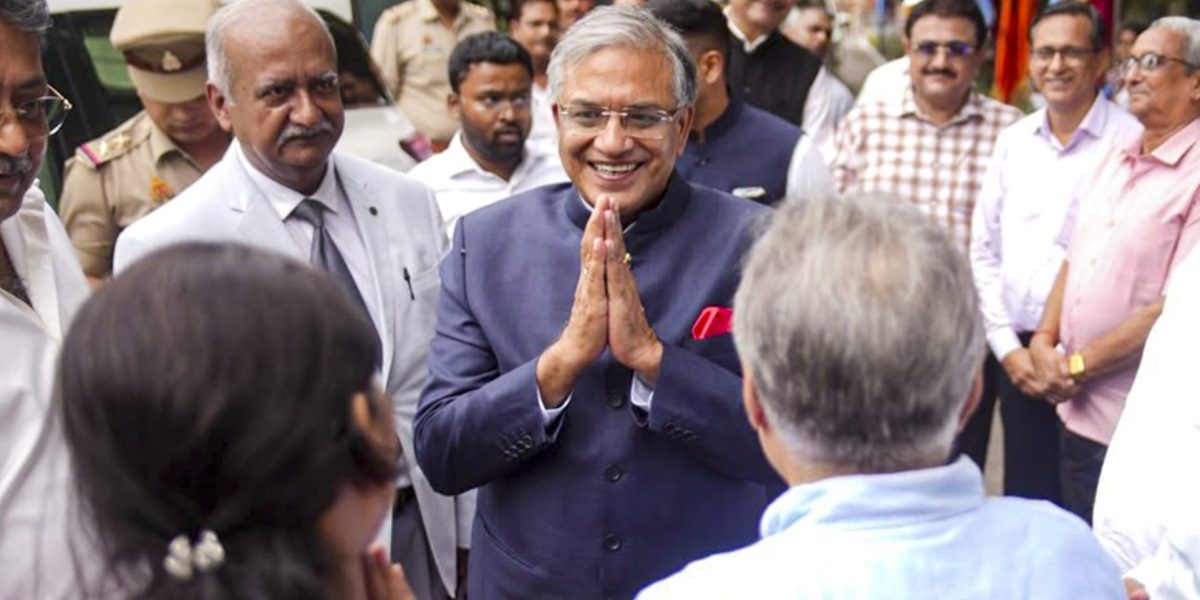
During a press briefing following a Cabinet meeting, Union Information Technology Minister Ashwini Vaishnaw expressed confidence in meeting these targets, stating, "We will easily achieve these goals… (with) the speed with which we are expanding our non-fossil sources."
In addition to the 60% target for non-fossil power, the updated NDC outlines a plan to reduce the intensity of greenhouse gas emissions per unit of GDP by 47% compared to 2005 levels. Furthermore, India aims to increase its carbon sink to between 3.5 billion and 4 billion tonnes of carbon dioxide equivalent, strengthening its commitment to tackling climate change.
India's updated NDC is set to be communicated to the United Nations Framework Convention on Climate Change (UNFCCC) as part of the global effort to combat climate issues. The obligation to update NDCs is a requirement for signatories of the Paris Agreement, and in 2025, countries are expected to present their voluntary actions detailing how they intend to transition their economies.
In a recent meeting in Belem, Brazil, at the 30th Conference of the Parties (CoP), Environment Minister Bhupendra Yadav reiterated that India would announce its NDC by the end of the year. Notably, as of December 31, 2025, India and Argentina were the only two G-20 countries that had yet to unveil a 2035 NDC.
As reported, 128 countries covering approximately 78% of global greenhouse gas emissions had submitted new NDCs by that date, showcasing a worldwide commitment to climate action. Many of these parties included Small Island Developing States and Least Developed Countries, alongside several G-20 members.
Under its current NDC, communicated to the United Nations in August 2022, India had set a target of obtaining 50% of its installed electric capacity from non-fossil sources, reducing emissions intensity per unit of GDP by 44%, and increasing its carbon sink to at least 2.5 billion tonnes to 3 billion tonnes of CO2 equivalent by 2030.
At present, about 52% of India's installed electric capacity comes from non-fossil sources, a milestone achieved before the deadline. However, only around 25% of the total power generated is from these non-fossil sources, which include solar, wind, hydropower, biomass, and nuclear energy.
According to official estimates, India reported an emissions intensity reduction of 36% from 2005 to 2020. A significant carbon sink of 1.97 billion tonnes of CO2 equivalent was achieved between 2005 and 2019.
Nevertheless, forest and tree cover in India accounted for approximately 24.6% of the country's geographical area in 2021, an increase from the 21% noted in 2005, but still below the national objective of 33%.
In shaping its NDC for the period from 2031 to 2035, the Indian government has taken into account the outcomes of the first Global Stocktake (GST) and principles of 'Common but Differentiated Responsibilities and Respective Capabilities' (CBDR-RC). The aim is to align national realities with development priorities, energy security, and the urgent need for increased climate action.
The GST, initiated in 2021, reviews the collective global progress toward limiting temperature rise to 1.5 degrees Celsius. It concluded that many nations are currently not on track to meet this critical target. Some independent analysts have indicated that while India appears likely to achieve its NDC targets for 2030, it may not be sufficient to maintain the global temperature increase within the desired range.
Vaibhav Chaturvedi, a senior fellow at the Council for Energy, Environment and Water (CEEW), highlighted that India's commitment to these targets contrasts sharply with a perceived rollback of climate policies in developed nations. He stated, "It demonstrates a strong resolve to address transmission and land availability constraints faced by the renewables sector."
Avantika Goswami from the Centre for Science and Environment (CSE) remarked on India's leadership amid backtracking from developed countries. She noted, "The signal from India shows that Global South leadership on climate ambition is concrete and real," illustrating the importance of the developing world in tackling climate change.
Chinese President Xi Jinping Begins State Visit to Washington
Jaishankar Discusses US Tariff Concerns with Secretary Rubio
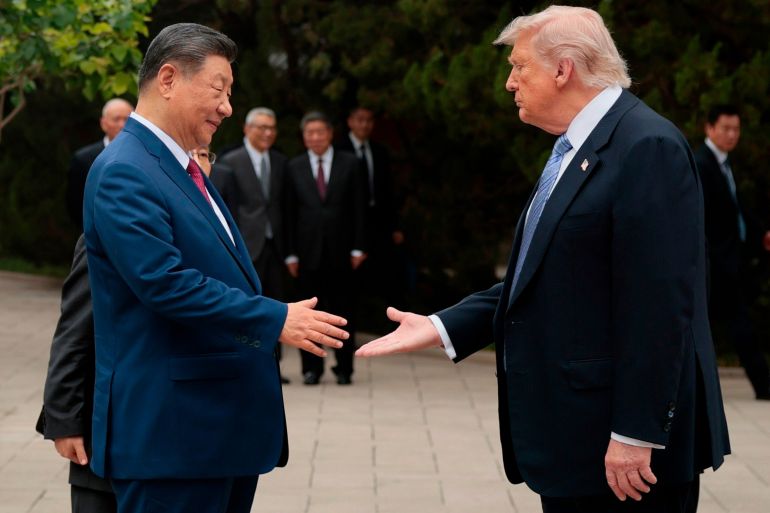
US and China Leaders Discuss AI Rivalry Amid Global Concerns
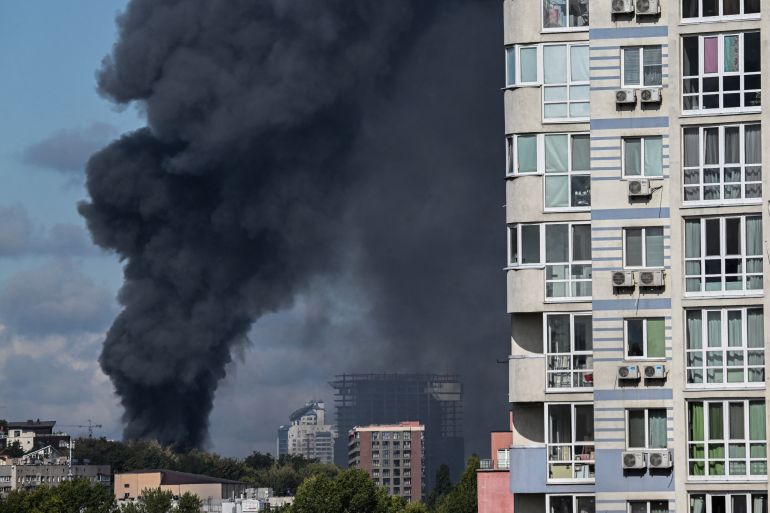
Russian Drone Strikes Kyiv, Donetsk Following Zelenskyy-Trump Talks