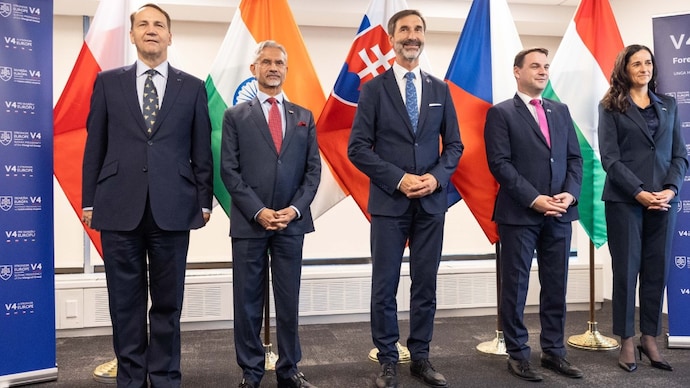
India Among Five Nations Granted Passage through Strait of Hormuz


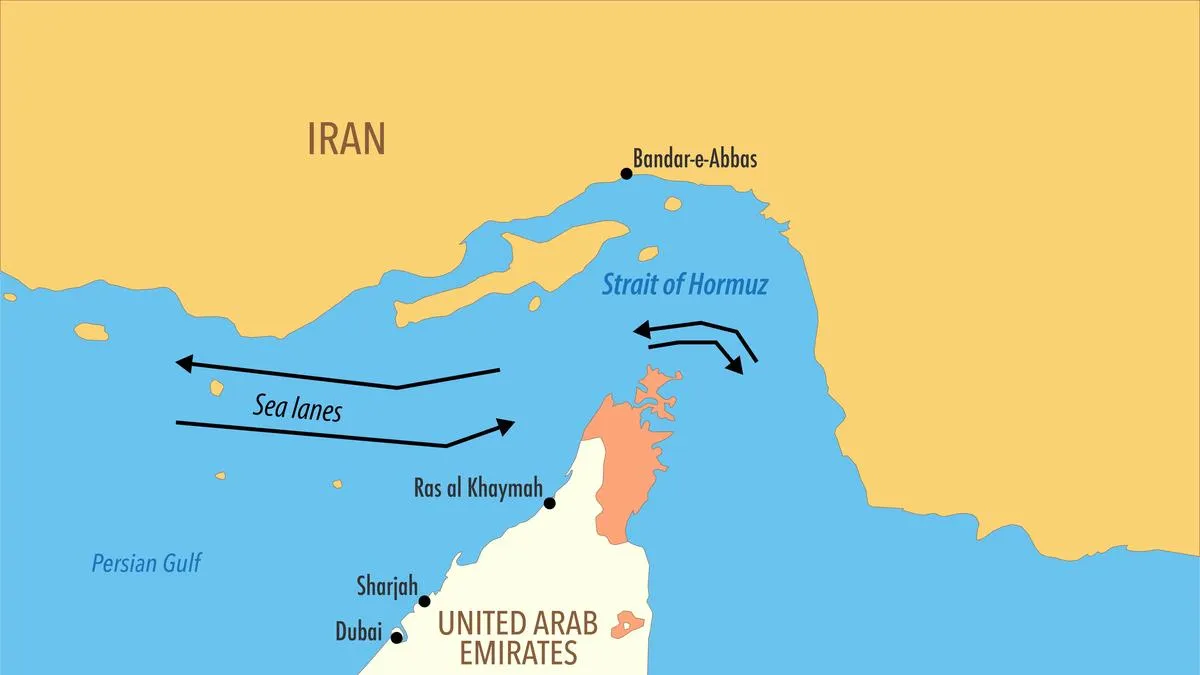
Iran has granted commercial shipping access through the Strait of Hormuz to India and four other nations, as announced by Iranian Foreign Minister Seyed Abbas Araghchi. The other countries permitted to transit the vital waterway include China, Russia, Iraq, and Pakistan. This decision comes in the wake of rising oil and gas prices, after Iran effectively blocked passage through the Strait, which is a crucial shipping lane linking the Persian Gulf with the Gulf of Oman, handling approximately 20% of global oil and liquefied natural gas (LNG) shipments.
During a statement reported by Iranian State Television, Mr. Araghchi noted that Iran has designated these nations as friendly and highlighted that ships belonging to Iran's adversaries would not be allowed access. "We are in a state of war. The region is a war zone, and there is no reason to allow the ships of our enemies and their allies to pass through. But it remains open to others," he stated.
The announcement was made amidst growing international concern over disruptions in shipping through this strategic waterway. The situation has drawn warnings from global leaders, including US President Donald Trump, who threatened Iran with significant consequences should it fail to fully reopen the Strait for commercial traffic.
India's energy security is particularly tied to the stability of this route, as the nation relies heavily on imports from the West Asian region. Recent diplomatic efforts by India have focused on resolving ongoing conflicts and ensuring uninterrupted energy flows through the Strait of Hormuz, which are vital for not just India but for many other nations as well. New Delhi, in light of the current blockade, foresees potential implications for fuel and fertiliser security, affecting its economic environment significantly. As these developments unfold, the international community continues to monitor the situation closely, aiming to avert further escalation in the region.
Impact of Trump's Tariff Law on India's Oil Imports and Trade
United Russia Party Secures Supermajority Despite Ukraine Conflict
Xi Jinping's US Visit Planned Amid Economic Tensions with Trump
India's External Affairs Minister to Address UNGA Amid US Tariff Changes