Russia Denies Reports of Drone Supply to Iran Amid Middle East Conflict


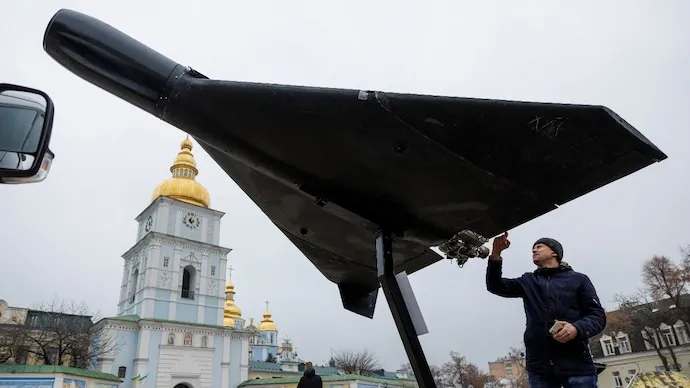
The Kremlin has rejected allegations that Russia is supplying drones to Iran, labelling the reports as inaccurate and unfounded. This statement follows a claim made by the Financial Times, which referenced Western intelligence sources stating that Russia was nearing the completion of a phased shipment of drones, medical supplies, and food to Iran.
The Financial Times reported that discussions regarding the transfer of drones initiated shortly after Israel and the United States began military operations against Tehran. This information was derived from two unnamed sources familiar with the intelligence.
In the context of these operations, attack drones, particularly the Iranian-produced Shahed model, have become a pivotal component of Iran's military strategy, enabling the country to confront the combined forces of Israel and the United States. Iran has employed a strategy involving missile strikes and drone attacks, primarily targeting US-linked installations across the Gulf region, as it asserts its focus on military retaliation.
An ongoing objective for the United States in its military campaign is the dismantling of Iran's drone and missile manufacturing capabilities. US Navy Admiral Brad Cooper, who leads the US Central Command, reported that American forces have targeted over 10,000 installations since the conflict commenced, claiming to have destroyed a substantial portion of Iran's naval assets and production facilities for missiles and drones.
According to the Financial Times report, if the claims regarding Russian support for Iran's drone capabilities hold true, this would signify a significant escalation in the ongoing Middle East conflict. Intelligence sources indicate that Iran may be receiving Geran-2 and Shahed-136 drones, which are developments rooted in Iran's own drone technology.
The extensive damage to Iranian drone production capabilities, attributed to US military action, could explain Tehran's potential reliance on Russian supplies, a shift from its previous role as a supplier for Russian drone inventory. Russia has heavily utilised Shahed drones during its military actions in Ukraine, where Ukrainian forces have developed effective countermeasures against such munitions.
To gain a tactical advantage, Ukraine has proposed to share its operating technologies with Gulf States to help them counteract any Iranian drone threats.
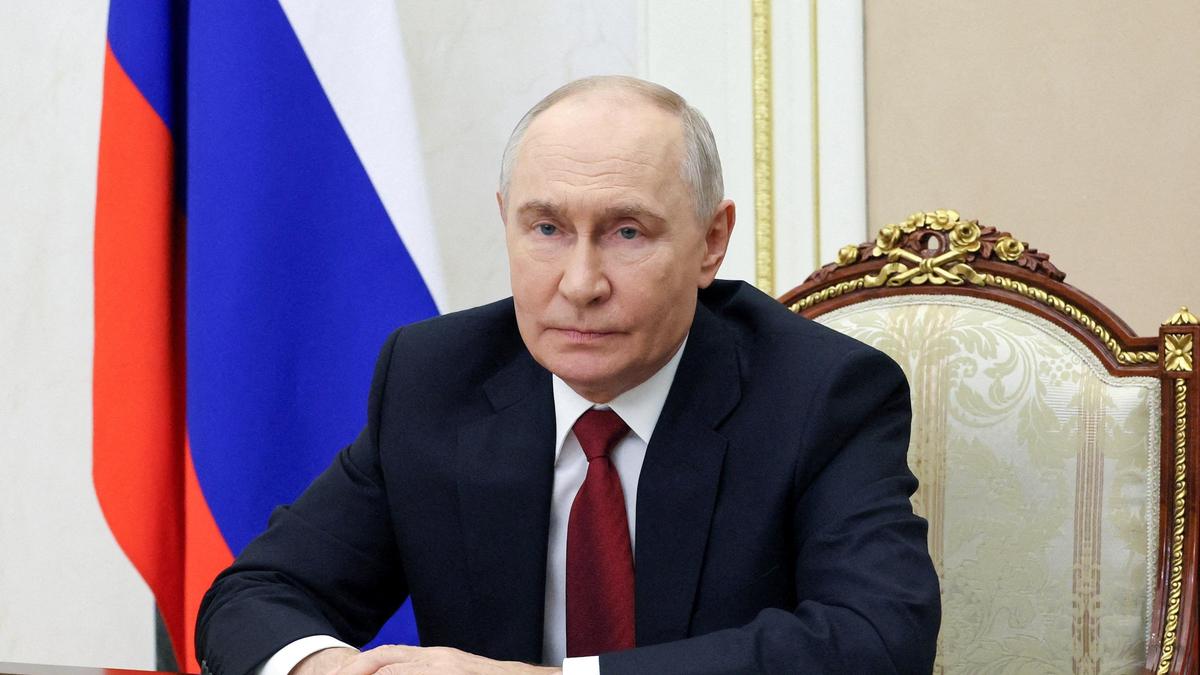
Further complicating the geopolitical landscape, the Kremlin has rebutted assertions from a New York Times opinion piece, which suggested that the ongoing conflict in the Middle East had caused Russian President Vladimir Putin to lose interest in pursuing peace negotiations for the Ukraine conflict.
The Kremlin announced it remains in dialogue with the United States concerning potential negotiations for peace in Ukraine, with plans for a new round of talks when circumstances allow. Kremlin spokesperson Dmitry Peskov asserted, "We remain open and are in contact with the Americans, hoping to hold the next round of discussions as soon as possible." He dismissed the New York Times piece as "an absolute falsehood" and maintained that Russia's commitment to negotiating peace has not waned, although several crucial issues continue to impede progress, including territorial disputes.
Impact of Trump's Tariff Law on India's Oil Imports and Trade
United Russia Party Secures Supermajority Despite Ukraine Conflict
Xi Jinping's US Visit Planned Amid Economic Tensions with Trump
India's External Affairs Minister to Address UNGA Amid US Tariff Changes