India Secures Oil Transit in Strait of Hormuz Through Diplomacy


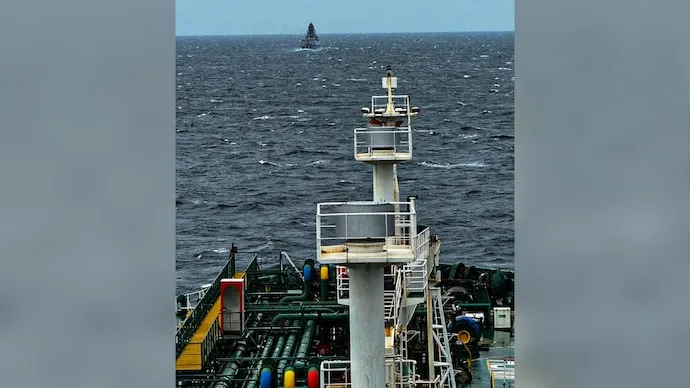
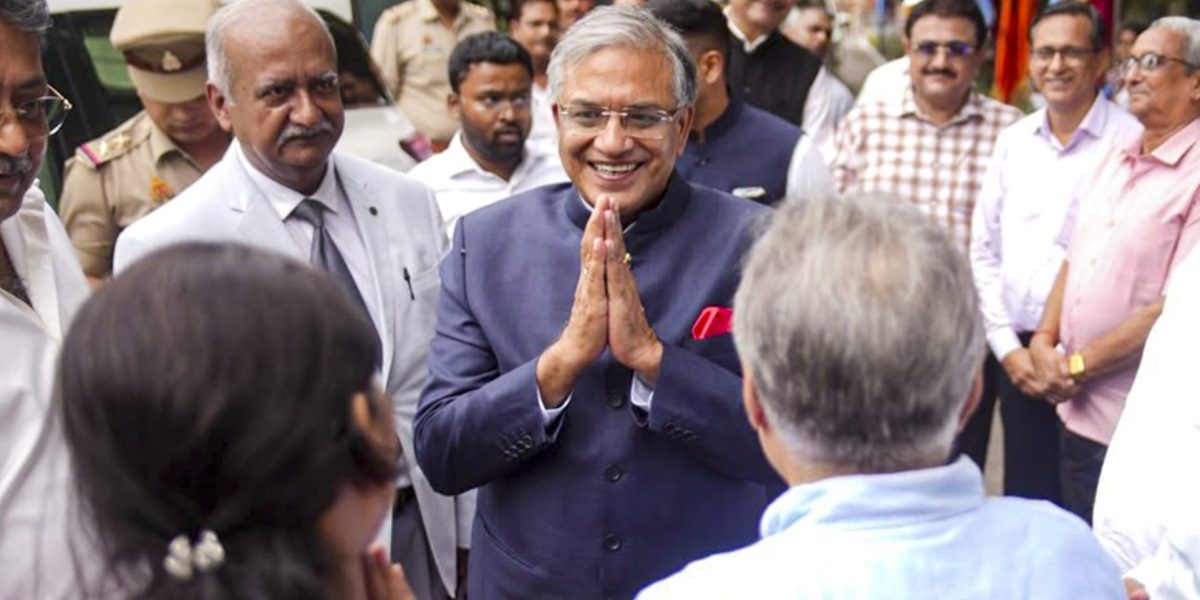
The Indian Ministry of External Affairs (MEA) announced that the movement of oil through vital routes, including the Strait of Hormuz, has been successfully secured by diplomatic means. This statement was made by Kirti Vardhan Singh, the Minister of State for External Affairs, during a session in the Lok Sabha, responding to a query from Asaduddin Owaisi, a parliamentarian from Hyderabad.
Singh emphasised that the Gulf and West Asia regions are integral to India's energy security and connectivity. The MEA outlined strategies that include diversifying energy sources, increasing domestic production, maintaining continuous imports, and managing price fluctuations to ensure a steady supply of energy.
In response to concerns regarding the welfare of the Indian diaspora, estimated at 10 million individuals in the Gulf and West Asia, the minister noted that protecting their interests is a top priority for the Indian government. The MEA has established a dedicated control room, with embassies and consulates maintaining round-the-clock helplines and issuing timely advisories. Furthermore, the government is coordinating with Indian states to assist in the return of nationals affected by recent airspace closures.
The session also addressed a proposed partnership between India and the United Arab Emirates designed to enhance bilateral defence cooperation across multiple sectors. This includes collaboration in defence industries, innovation, advanced technologies, counter-terrorism measures, cybersecurity, and training initiatives. According to the MEA, this agreement aims to build upon existing defence relationships and further strengthen them.
When questions arose regarding the implications of this partnership for India's relationships with other West Asian countries, the government clarified that its ties with Gulf nations and the broader region are supported by long-standing people-to-people connections. These relationships have evolved into strategic partnerships encompassing trade, investment, defence, energy, and connectivity.
The Indian government is also closely monitoring developments at the Chabahar Port, along with the International North-South Transport Corridor and the India-Middle East-Europe Economic Corridor. The MEA assured that ongoing engagement with relevant stakeholders is in accordance with the current regional security climate.
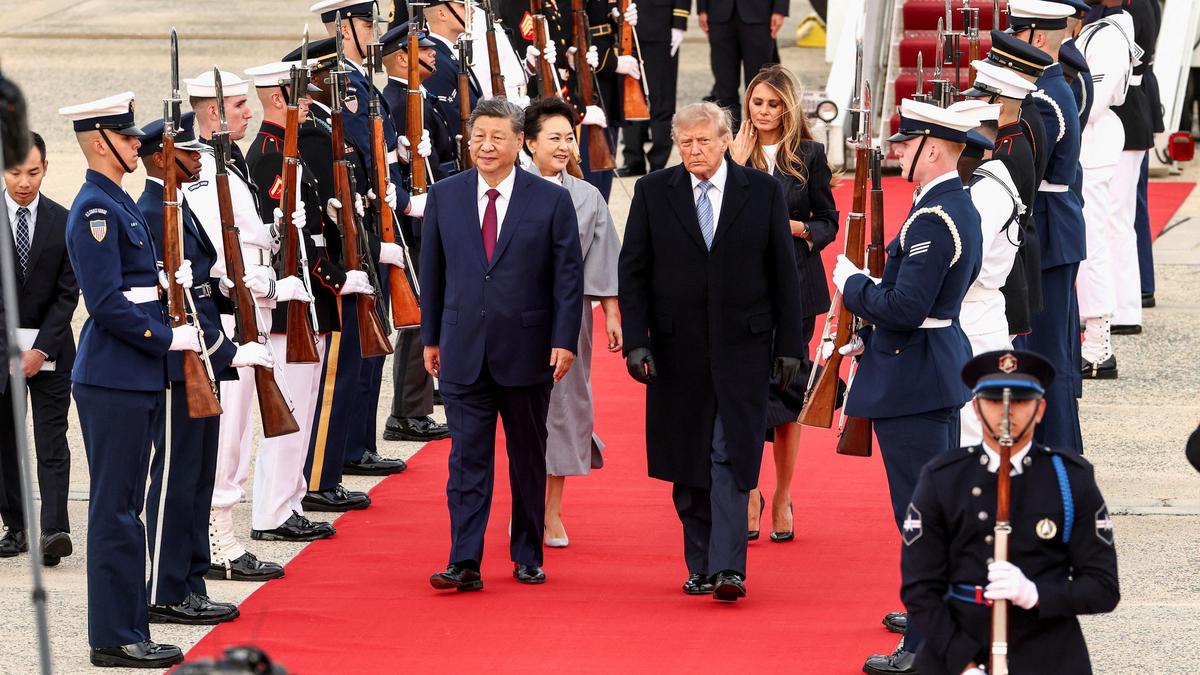
Chinese President Xi Jinping Begins State Visit to Washington
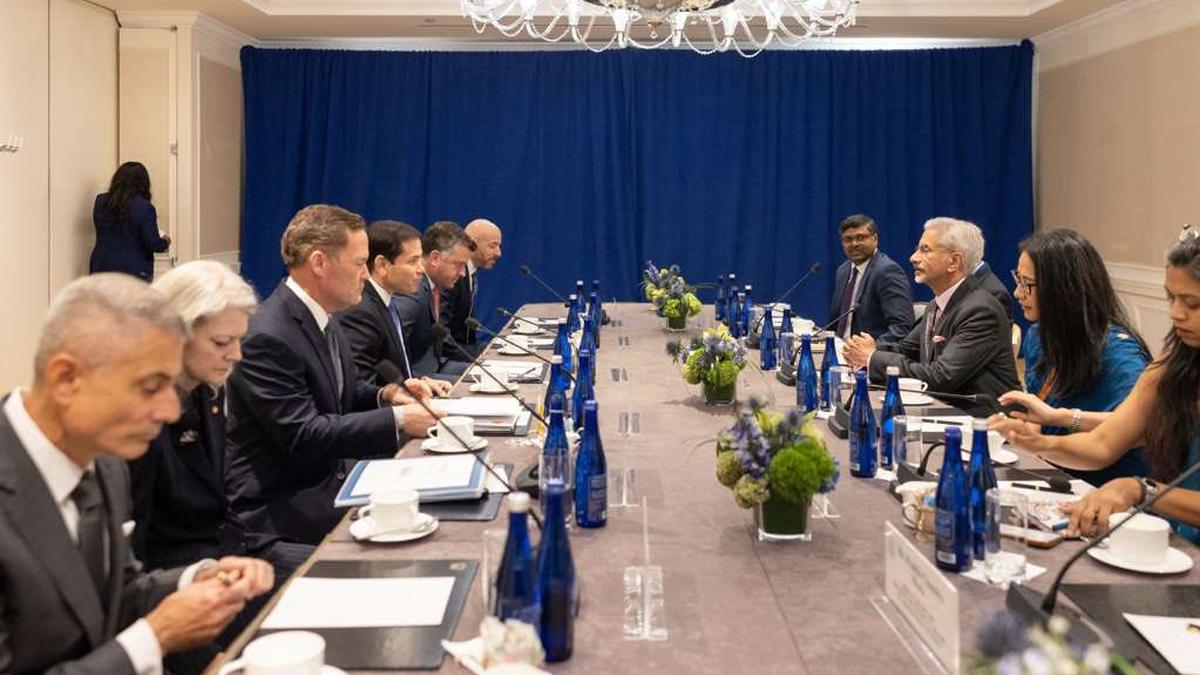
Jaishankar Discusses US Tariff Concerns with Secretary Rubio
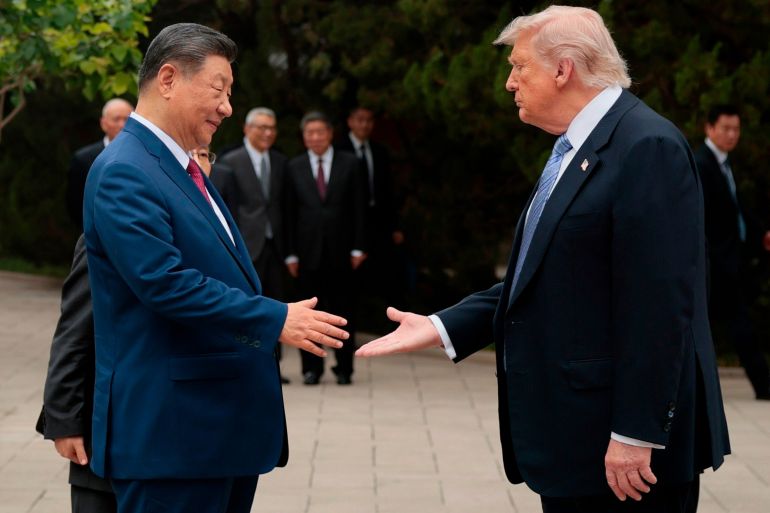
US and China Leaders Discuss AI Rivalry Amid Global Concerns
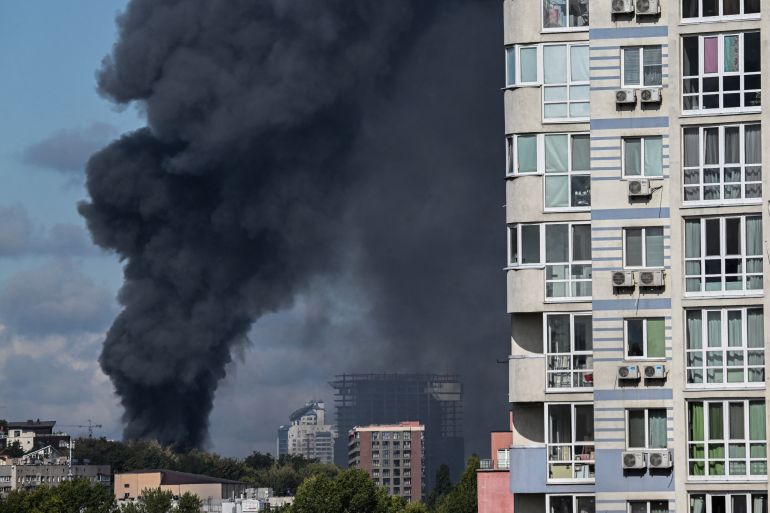
Russian Drone Strikes Kyiv, Donetsk Following Zelenskyy-Trump Talks