India-Pakistan Relations: Back Channels and Water Disputes Explored


In a recent discussion on the tensions between India and Pakistan, Shishir Gupta, Executive Editor at Hindustan Times, provided insights into the dynamics surrounding reported back-channel negotiations. The dialogue, which took place in neutral venues such as Colombo and Bangkok, has sparked media speculation about potential diplomatic breakthroughs. However, Gupta believes that the narratives emerging are largely influenced by a disinformation strategy from Pakistan.
According to Gupta, these informal meetings, labelled as 'Track 2 diplomacy,' have seen no official Indian representatives present. Participants included retired officials who spoke solely as individuals rather than spokespeople for the Indian government. The ex-officials present in Colombo included individuals with backgrounds in intelligence and diplomacy focusing on Pakistan, Iran, and Afghanistan, alongside a retired army chief.
The second gathering, held in Bangkok, featured a smaller group of Indian participants, all of whom were established writers and former officials with relevant experience. Notably, Gupta questioned the rationale behind the involvement of foreign academics in funding these dialogues, citing also the presence of US and UK officials, which raised further questions about their role in discussions primarily centred on the Gulf region but also touching on India-Pakistan issues.
Gupta asserted that while these talks might be portrayed as significant dialogues, they lack substance and do not reflect India's official stance. He articulated that India's current policy towards Pakistan remains firmly rooted in an approach of tough negotiations with no tolerance for terrorism, emphasising that normalisation of relations is contingent upon an end to violence.
The discussions also touched on the increasingly contentious issue of the Indus Waters Treaty, established in 1960. Gupta noted that India's previous suspension of the treaty, following a serious terror attack, has enabled Pakistan to advance a narrative accusing India of using water as a weapon. This has led to fears that the treaty may become a new flashpoint in the already complex India-Pakistan relations.
This evolving situation has amplified claims from Pakistani leaders that they might escalate tensions over water resources, potentially framing it in the context of international law as a justification for military action. Gupta warned that this could lead to a significant shift in the nature of discourse around historic territorial disputes, with the Indus Waters Treaty now positioned as a key point of contention alongside long-standing issues such as Kashmir.
Gupta's critique of the Indus Waters Treaty was rooted in its historical and structural elements, arguing that the arrangement favours Pakistan disproportionately. He described it as indicative of India's longstanding propensity to accommodate Pakistan, despite security challenges. He highlighted that the current Indian government, under Prime Minister Narendra Modi, has been seeking a more assertive stance, iterating that discussions involving terrorism and water cannot occur in parallel.
The assessment culminated in a clear position regarding the potential for conflict over the treaty, with Gupta noting that while Pakistan's leadership has made aggressive statements, an actual military escalation over water issues remains improbable. This illustrates the complexities of diplomatic discourse in South Asia, where historical grievances and contemporary realities coexist, rendering the path to resolution particularly challenging.
BJP Allies Urge Election Commission to Address Public Concerns
Thousands of Ganesh Idols Immersed in Telangana Festivities
Jaishankar Calls Attacks on Civilian Shipping ‘Indefensible’
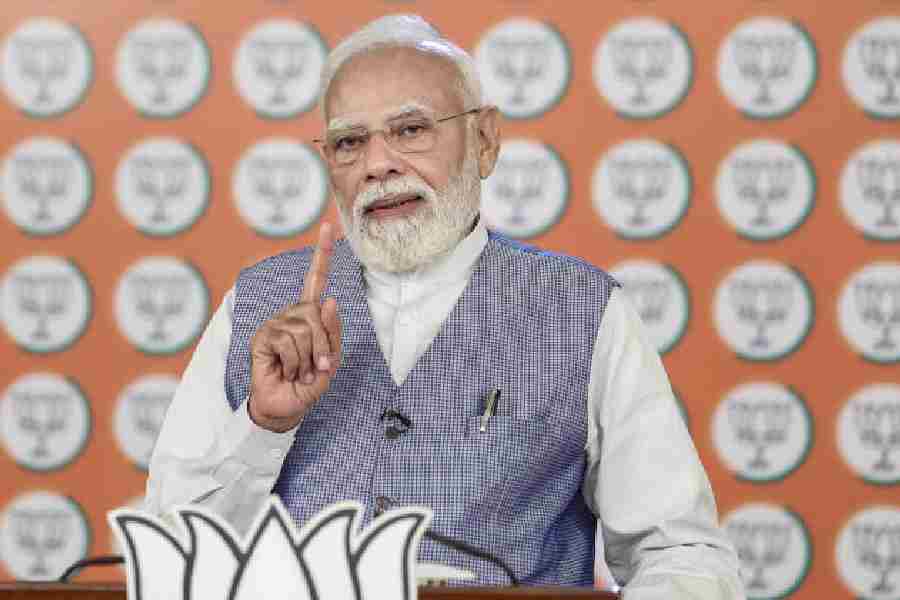
Indian Prime Minister Urges Integration of Social Reforms in Governance