Record Heatwave Causes Over 1,300 Excess Deaths Across Europe


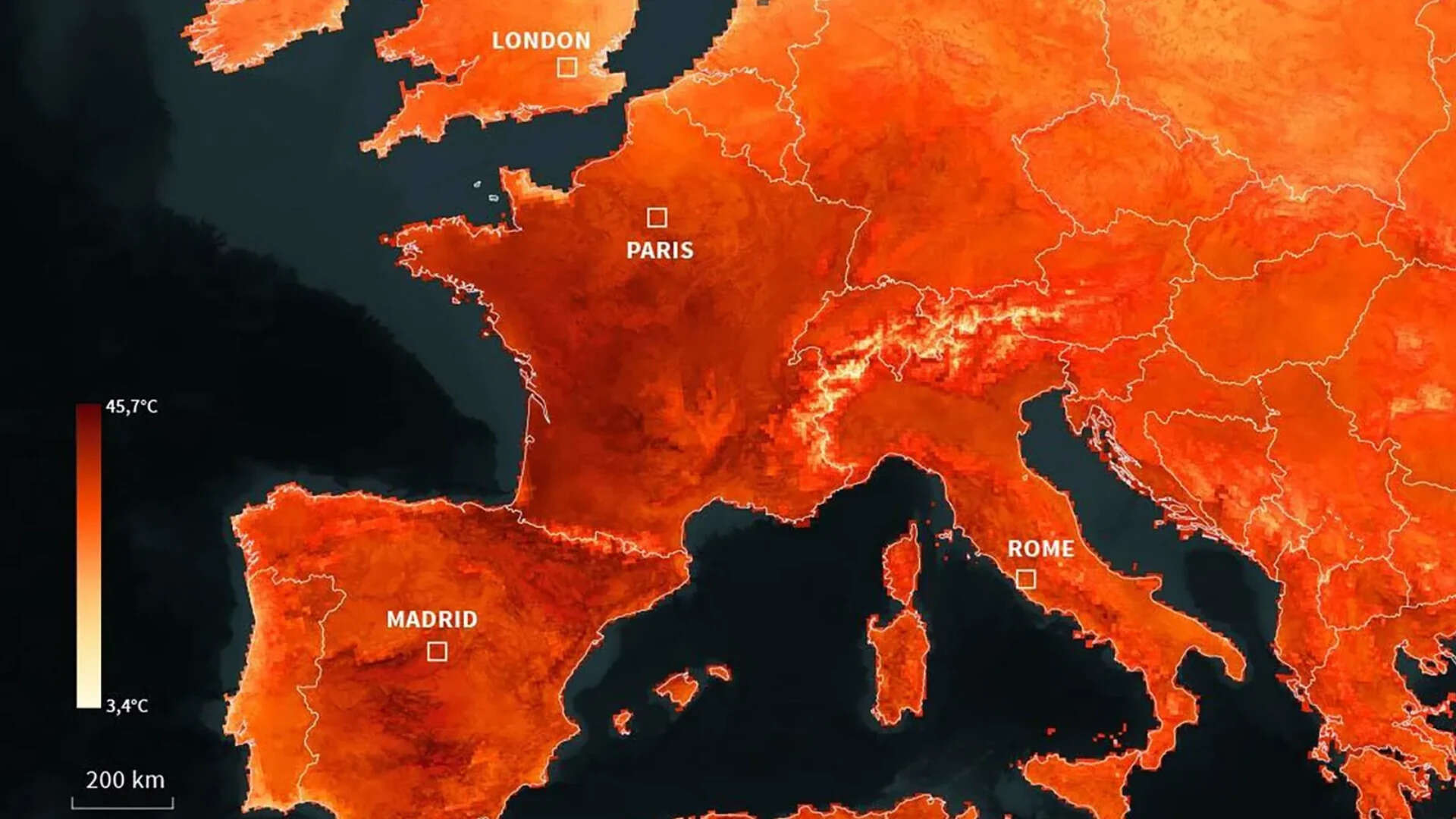
Europe is experiencing a record heatwave, with temperatures reaching 40 degrees Celsius (104 degrees Fahrenheit) in some areas, leading to a significant increase in excess deaths. As of June 21, over 1,300 additional fatalities have been reported across the continent, according to the World Health Organization (WHO). This alarming situation has raised severe concerns about public health and infrastructure resilience.
Countries such as France, Germany, and Poland have been particularly hard hit. In France alone, the public health agency confirmed 1,000 excess deaths directly attributable to the heatwave. On average, the country recorded approximately 900 deaths per day prior to the onset of extreme temperatures. Most of those who succumbed to the heat were elderly, aged 65 and above, although the health of the broader population was also adversely affected.
In Spain, a 90-year-old woman died from heatstroke in a nursing home, and another elderly man also succumbed to the unforgiving heat. Germany reported at least seven deaths related to the heat, including multiple drowning incidents attributed to the extreme conditions.
The extreme temperatures have also disrupted daily life and transport services in various regions. This summer's heatwave was attributed to a weather phenomenon known as an omega block, characterized by a large area of high pressure that traps hot air over regions for extended periods. This pattern, driven by climate change, has been cited as a key factor in the increasing frequency and severity of heatwaves across Europe.
WHO chief Tedros Adhanom Ghebreyesus pointed out that Europe is warming at twice the global average, emphasising the need for action: "Given the changing climate, heatwaves, which were once regarded as rare, are now occurring nearly every year."
Experts warn of the health dangers posed by heat, including heat stress, dehydration, and heat-related illnesses. The symptoms of severe heat-related illnesses, such as confusion and rapid heartbeat, can escalate to life-threatening levels if proper care is not received.
Governments are being urged to implement effective strategies to combat the rising threats of heatwaves. In some cities, initiatives like climate shelters are being introduced to provide refuge for vulnerable populations, particularly the elderly. Meanwhile, discussions within the European Union focus on establishing regulations for maximum workplace temperatures to protect workers from extreme heat exposure.
The European Trade Union Confederation has called for immediate action from the European Commission to legislate against unsafe working conditions during heatwaves, stressing the urgent need for legislation that addresses the health impacts of climate change.
As climate patterns continue to shift, the trend of rising temperatures and associated health risks highlight the need for proactive measures by governments across Europe to safeguard public health and ensure resilience against climate-related adversities.

India's Jaishankar Criticises Pakistan at UN General Assembly

Iran Asserts Readiness for War Amid Rising Tensions in Hormuz

Israeli Prime Minister Netanyahu Makes Unannounced Visit to UAE

World Leaders Gather for Climate Summit, Pledges Made