India Successfully Navigates Energy Crisis Amid Strait of Hormuz Disruption


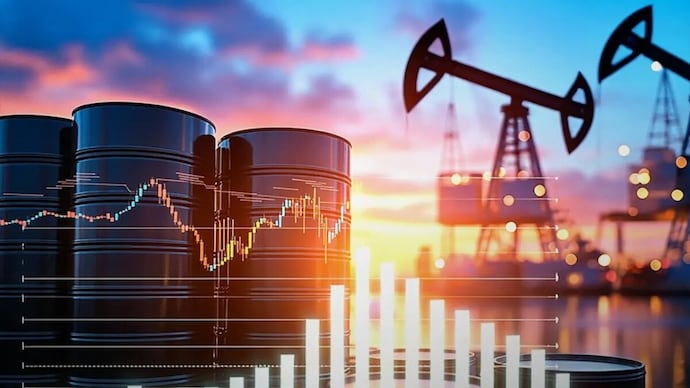
India has successfully averted a serious energy crisis following the disruption in the Strait of Hormuz, which occurred in the wake of military conflict in West Asia beginning on February 28, 2026. This strategic waterway is a key route for 20 per cent of the world's seaborne crude oil, alongside substantial volumes of liquefied petroleum gas (LPG) and liquefied natural gas (LNG). Given that India imports approximately 90 per cent of its crude oil and 60 per cent of its LPG needs, the closure posed a significant challenge.
Despite these disruptions, fuel shortages at petrol stations were avoided, and domestic LPG supplies remained uninterrupted. Additionally, the government managed to protect consumers from the full brunt of escalating global energy costs. A combination of long-term investments in energy infrastructure, diversification of supply sources, effective diplomatic strategies, and quick policy decisions proved instrumental in addressing what became one of India's foremost energy security challenges in recent times.
The situation in the Strait of Hormuz led to a steep surge in international energy prices. For instance, the price of India's crude oil basket surged from around $70 per barrel to over $120 per barrel, while Brent crude reached $126 per barrel. The contract price for LPG from Saudi Arabia increased by nearly 46 per cent, raising the cost of a standard 14.2 kg domestic LPG cylinder to more than Rs 1,600. Furthermore, war-risk insurance premiums for oil tankers saw significant increases.
India faced three immediate tasks: ensuring uninterrupted energy supplies, controlling domestic fuel prices, and maintaining public trust. Investments in energy infrastructure over the past decade became critical during this period. Between 2014 and 2026, the number of LPG import terminals rose from 11 to 22, and the LPG pipeline network expanded from 2,311 km to 6,242 km. Moreover, the country's LPG import capacity increased nearly threefold to 32.3 million metric tonnes per annum (MMTPA). The number of nations supplying crude oil to India also grew from 27 to 41. In parallel, LNG terminals doubled from four to eight, and city gas distribution networks expanded from 55 to more than 300. A strategic petroleum reserve with a storage capacity of 5.33 million tonnes was also developed.
In response to the crisis, the Indian government established an inter-ministerial coordination group involving several ministries, including External Affairs, Petroleum and Natural Gas, Ports, Shipping and Waterways, as well as the Indian Navy. This group worked to identify stranded vessels carrying Indian cargo near the Strait of Hormuz and coordinated with Iranian authorities for their safe passage. Ongoing engagement between Indian diplomatic missions and Iranian officials facilitated the secure transit of vessels without incurring additional charges or taxes.
Simultaneously, Indian ministers undertook diplomatic missions to countries such as Qatar, the United Arab Emirates, and Saudi Arabia to secure alternative energy supplies. Additionally, contracts were established with nations including Russia, Brazil, Algeria, Venezuela, Canada, Japan, and the United States for energy resources. Notably, an LPG import agreement with the United States contributed to bolstering national energy security.
Despite the record prices for crude oil in the international market, the Indian government managed to shield consumers from the full extent of these increases. On March 27, 2026, the Centre reduced excise duty on petrol and diesel by Rs 10 per litre, incurring an estimated revenue loss of approximately Rs 1.7 lakh crore. Oil marketing companies absorbed losses for over two months without raising retail fuel costs. When adjustments became necessary, increases for petrol and diesel were limited to Rs 3 per litre, allowing India to register some of the lowest price hikes among major oil-importing nations during this crisis.
Although the LPG sector faced substantial disruption due to significant imports from Gulf nations, the government took immediate action. An LPG Control Order was issued on March 8, directing refineries to enhance LPG production. Within just one week, domestic production rose from 35,000 tonnes per day to 54,000 tonnes per day. Refineries that had not previously produced LPG were also geared up to start production. With the import cost for a 14.2 kg LPG cylinder exceeding Rs 1,600, the retail price remained fixed at Rs 942 due to government interventions. Furthermore, beneficiaries of the Pradhan Mantri Ujjwala Yojana continued receiving a subsidy of Rs 300 per cylinder, effectively lowering their costs to Rs 642.
Over 10.58 crore families have benefitted from this subsidy scheme, with the government and oil marketing companies absorbing considerable extra costs to shield consumers from escalating prices. Alongside supply-side measures, demand management strategies were implemented: commercial LPG consumption was restricted, industries were transitioned to piped natural gas wherever feasible, and provisions were made for large establishments to use alternative fuels. Additionally, 5 kg free-trade LPG cylinders were made available to migrant workers, helping decrease daily LPG demand from approximately 90,000 tonnes to nearly 70,000 tonnes.
The expansion of India's natural gas infrastructure also played a pivotal role in the crisis management. The growth of city gas distribution networks and LNG terminals ensured the steady supply of piped natural gas to households and industries, reducing reliance on imported LPG and guaranteeing cooking gas supplies nationwide.
The overarching strategy of the government throughout this crisis was centred on preventing the fluctuations in global energy prices from affecting domestic consumers directly. Substantial costs were absorbed through reductions in fuel taxes, LPG subsidies, and financial support to oil marketing companies. Despite these measures, it is anticipated that oil marketing companies will face losses between Rs 1 lakh crore and Rs 1.2 lakh crore in the current quarter. Nonetheless, India's wider economy showed resilience throughout this energy crisis, maintaining foreign exchange reserves above $728 billion, a real GDP growth rate of approximately 7.6 per cent, a controlled current account deficit, and retail inflation within the Reserve Bank of India's target range. These indicators underscore the country's capacity to balance energy security with macroeconomic stability in the face of significant global disturbances.
BJP Allies Urge Election Commission to Address Public Concerns
Thousands of Ganesh Idols Immersed in Telangana Festivities
Jaishankar Calls Attacks on Civilian Shipping ‘Indefensible’
Indian Prime Minister Urges Integration of Social Reforms in Governance