Nitish Kumar to Step Down as Bihar Chief Minister, Seek Rajya Sabha Seat


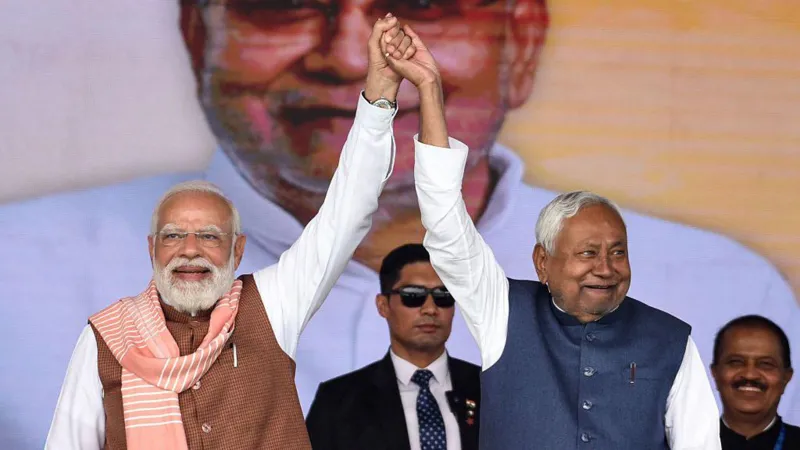
Nitish Kumar, the chief minister of the eastern Indian state of Bihar, has announced that he will step down from the post after filing his nomination to join the Rajya Sabha, the upper house of India’s parliament.
The 75-year-old leader confirmed his decision on Thursday in a message posted on social media, signalling the end of one of the longest and most influential political tenures in Bihar’s modern history.
Kumar wrote that he wished to contest the current Rajya Sabha elections and assured supporters that his association with the people of Bihar would continue. “My relationship with you will remain strong in the future as well, and my commitment to working together for a developed Bihar will remain firm,” he said in the message.
He added that the next state government would receive his “full cooperation and guidance”.
End of a Long Political Era
Nitish Kumar has been one of the most dominant figures in Bihar politics for nearly two decades. Over this period he served multiple terms as chief minister, becoming the longest-serving leader to hold the office in the state.
His tenure has been marked by repeated coalition governments rather than a single-party majority. Kumar’s party, the Janata Dal (United), commonly known as JD(U), has rarely secured enough seats on its own to govern the state.
Instead, his leadership depended on forming alliances with larger political parties, including the Bharatiya Janata Party (BJP). This approach enabled him to maintain a stable position in power despite changing political circumstances.
Supporters say this reflects his ability to negotiate complex political arrangements in a state where caste identities and regional interests strongly influence elections. Critics, however, argue that his frequent shifts in alliances demonstrated political pragmatism rather than ideological consistency.
Transition to the Rajya Sabha
The Rajya Sabha is the upper chamber of India’s parliament. Unlike the lower house, its members are elected indirectly by elected representatives from state legislative assemblies and parliament.
Five Rajya Sabha seats from Bihar are scheduled to become vacant soon. Political leaders from Kumar’s alliance say they have enough support within the state assembly to secure several of these seats.
If elected, Kumar will step down as chief minister once the results of the Rajya Sabha election are formally declared.
A colleague from the JD(U) told journalists that Kumar may delay his resignation slightly because the terms of outgoing Rajya Sabha members end in April.
Health concerns are also believed to have influenced the decision. Some political figures within his party and the governing alliance have indicated that discussions about Kumar stepping away from the chief minister’s role have been underway for some time.
Uncertainty Over the Next Chief Minister
Kumar’s decision opens the possibility of a new chief minister in Bihar. The successor could come either from his own party, the Janata Dal (United), or from the Bharatiya Janata Party, the alliance’s larger partner.
Several analysts believe the move may allow the BJP to claim the leadership of the state government for the first time.
The BJP has been a major political force in Bihar for years but has never independently led the state government. Instead, it has governed as part of coalition arrangements.
RP Singh, a national spokesperson for the Bharatiya Janata Party, said the party’s parliamentary leadership would soon decide its candidate if the position becomes available.
However, the situation remains uncertain and no formal announcement about the next chief minister has yet been made.
Reaction Within Kumar’s Party
Within the Janata Dal (United), Kumar’s decision has prompted mixed reactions.
Some leaders have expressed concern that the move could confuse voters who supported the party during recent elections with Kumar as its central figure.
Rajeev Ranjan Patel, a party leader, told the news agency ANI that many campaign efforts during elections focused on Kumar’s leadership. He questioned how supporters would react if Kumar no longer remained chief minister.
Despite these concerns, senior members of the party have indicated they will support Kumar’s transition to a national parliamentary role.
Political Background
Nitish Kumar most recently took oath as chief minister in November after a coalition led by the JD(U) and the BJP won a decisive victory in the Bihar legislative assembly elections.
The alliance secured 202 seats in the 243-member assembly, giving it a strong governing mandate.
Over his long career, Kumar built a reputation for promoting governance reforms and infrastructure improvements in Bihar, a state with more than 74 million voters.
Despite these efforts, Bihar remains one of India’s economically weaker states, and large numbers of residents continue to migrate to other parts of the country for employment.
Context: Bihar’s Political Importance
Bihar is one of India’s most politically significant states due to its large population and its influence in national elections.
The state’s politics have historically been shaped by coalition-building, caste alliances and regional leadership figures.
Nitish Kumar’s departure from the chief minister’s office therefore represents a major shift in the state’s political landscape.
His move to the Rajya Sabha marks not only a personal transition but also the possible beginning of a new phase in Bihar’s leadership structure, with both coalition partners now positioning themselves for the next chapter in the state’s governance.
Kerala Initiates Probe into 2006 Suicide Case Involving CEC
Extradition of Sheikh Hasina Feasible, Says Indian High Commissioner

Punjabi Makeup Artist Mad Sandhu Shot Dead in Amritsar
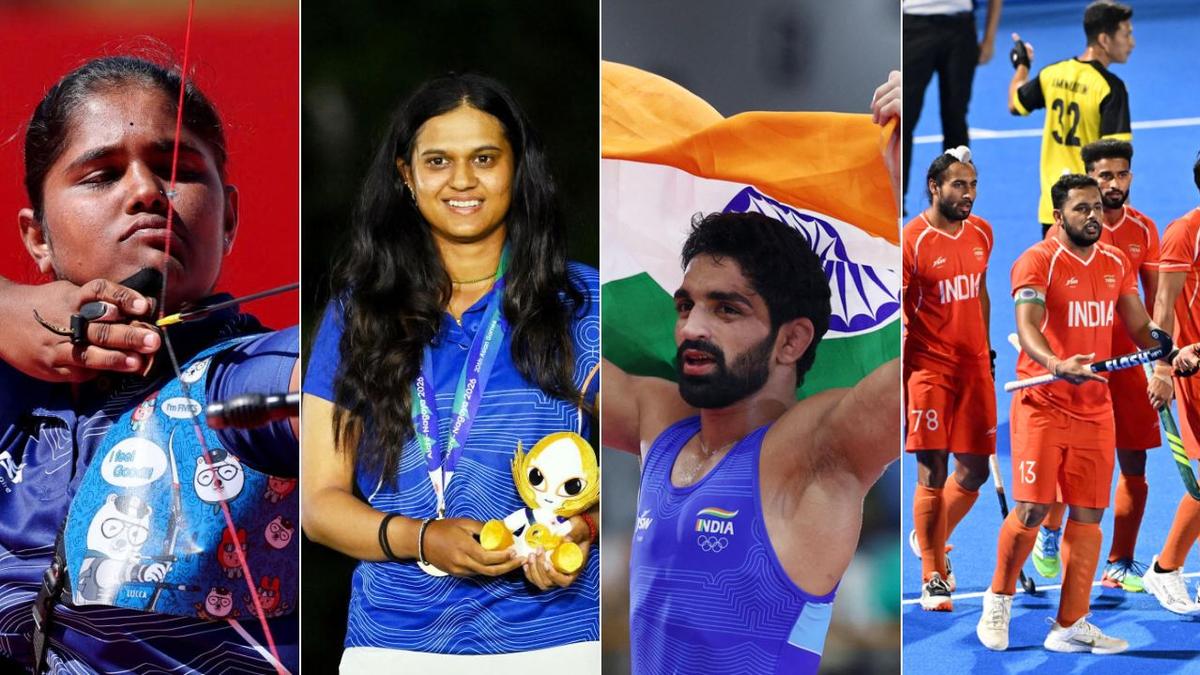
India Achieves Fourth Place at Asian Games 2026 Through Late Success