India military reforms: Top generals warn of unstable world and rising conflict


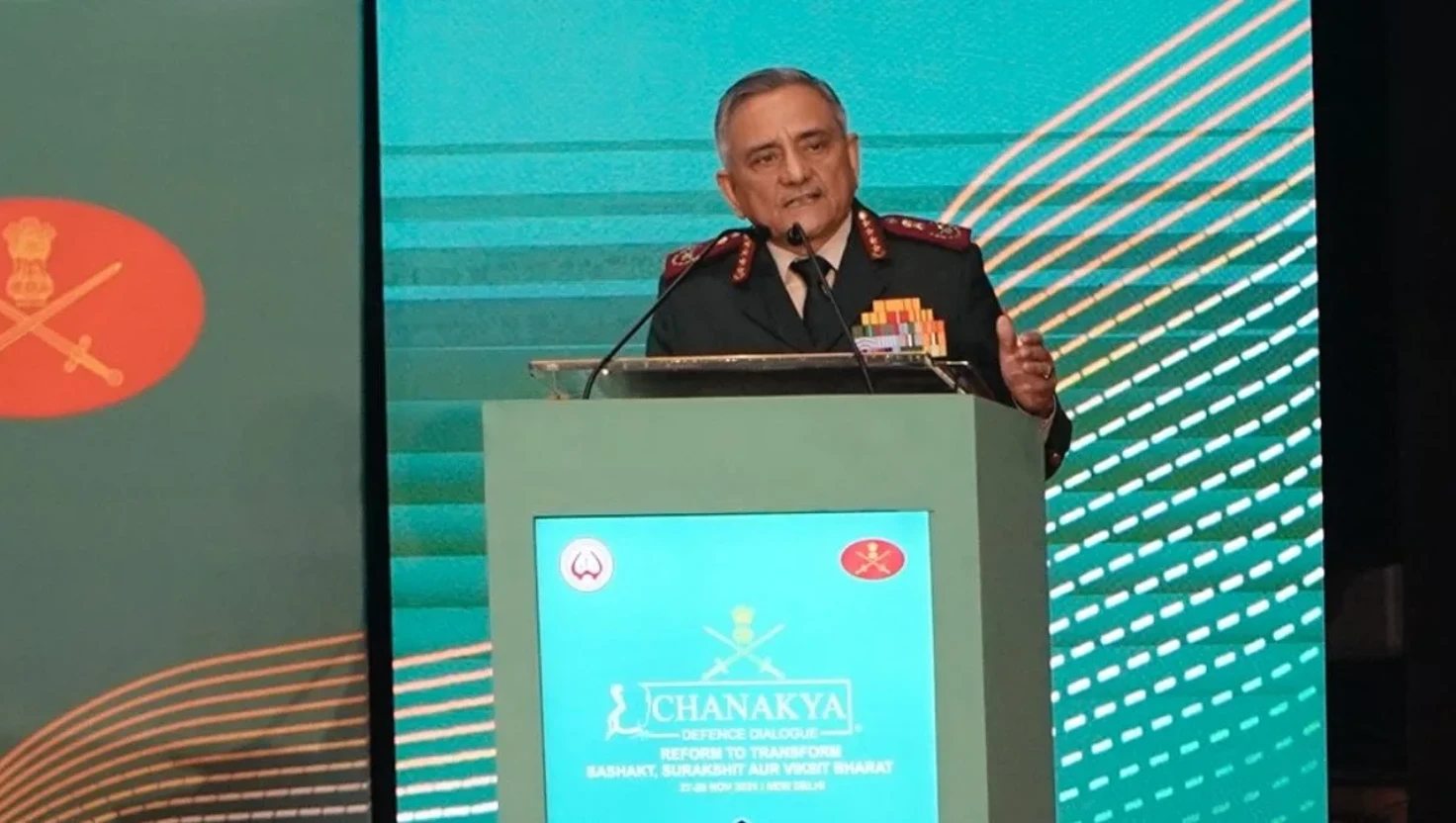
Chief of Defence Staff General Anil Chauhan said modern warfare was evolving so rapidly that ideas considered futuristic could become outdated before they were even implemented. Speaking at the Chanakya Defence Dialogue in New Delhi, he said the ability to anticipate and prepare for emerging forms of conflict had become “existential” for any military. According to General Chauhan, traditional assumptions about deterrence, territory and nuclear stability are undergoing profound change.
The forum, hosted by the Indian Army, brought together senior officers and defence specialists from India and abroad to examine how global tensions, technological advances and doctrinal shifts are reshaping the security environment. General Chauhan said that while predicting the outcome of any conflict had always been difficult, the speed at which warfare is being reinvented was adding new uncertainty. He argued that militaries would need to develop capabilities that adversaries “cannot counter or do not expect”, describing this as essential for achieving battlefield advantage.
General Chauhan warned that nuclear stability was weakening as major powers pursued new capabilities and long-standing arms agreements eroded. He cited developments such as Russia’s exploration of nuclear-powered weapons, China’s expansion of its arsenal and calls in the United States for renewed nuclear testing. He said such trends were contributing to an increasingly fragile security landscape from South Asia to East Asia. The boundary between signalling and demonstrating nuclear capability, he added, had become thinner, raising the risk of miscalculation.
He also said global politics was entering a period of transition in which sovereignty, territorial integrity and long-established norms were being challenged. He described shifting alliances, new security dependencies and a greater willingness among states to use force to achieve political goals. Taken together, he said, these developments “do not augur well for global peace and security”.
General Chauhan stressed that technological advances were reshaping combat more quickly than before. He said emerging capabilities in automation, robotics, artificial intelligence and networked systems were blurring the boundaries between physical and digital forms of warfare. According to him, the world stood on the “cusp of a third revolution in military affairs”, driven by technologies that merge kinetic and non-kinetic operations.
He noted that robotics was likely to play a larger role in future conflicts and that man-machine cooperation would shape how battles unfold. The proliferation of sensors meant that battlefields were becoming increasingly transparent, making it more difficult for forces to manoeuvre without detection. He argued that while offensive intent would remain central to military doctrine, traditional forms of manoeuvre might become less viable as more domains — including cyber, space and cognitive spheres — came under contestation.
Earlier at the same event, Chief of the Army Staff General Upendra Dwivedi said the global order had shifted from the Cold War’s bipolar competition into what he described as an “uncertain and fractured” state. He said the period of relative peace that followed the end of the Cold War was declining and that armed conflicts had risen sharply. According to General Dwivedi, more than 50 conflicts were underway around the world, underscoring what he called the turbulence of the present moment.
General Dwivedi said that in a world where major powers were competing for influence, national security and deterrence had become central priorities for governments. He argued that India’s military transformation should align with Prime Minister Narendra Modi’s “5S” framework — a set of principles that emphasises respect, dialogue, cooperation, prosperity and security. He outlined a long-term plan that aims to build a future-ready force by 2047, including phases spanning the next two decades and focusing on modernisation, consolidation and integrated capability development.
The Army Chief also identified four pillars that he said would define military transformation: domestic self-reliance in defence manufacturing, rapid innovation in fields such as artificial intelligence, cyber operations and advanced materials, institutional adaptation, and deeper integration between civilian and military sectors. He emphasised that creating modern war-fighting capabilities required cooperation across academia, industry and defence institutions.
In his remarks, General Chauhan highlighted the importance of strategic thinking, saying military leaders must draw lessons from past and present conflicts while preparing for future scenarios. He referred to the ancient strategist Sun Tzu, noting that while knowledge of the adversary had always been vital before war, understanding the opponent during an ongoing conflict had become just as important. He suggested that an ability to prevent the enemy from understanding its own strengths and vulnerabilities could emerge as a decisive factor.
General Chauhan added that soldiers train for conflicts that may never arrive, but that the consequences of failure in war were so severe that preparation could not be compromised. He said conventional deterrence was taking on new forms and that armed forces must be ready for conflicts that could unfold instantaneously across multiple domains.
Context
The discussions at the Chanakya Defence Dialogue reflect a broader global concern about deteriorating security conditions and the increasing complexity of warfare. Around the world, governments are reassessing military readiness as technologies such as autonomous systems, cyber tools and space-based assets reshape strategic competition. India’s defence reforms are taking place alongside similar debates in major powers about how best to modernise forces and ensure deterrence in a rapidly changing environment.
Kerala Initiates Probe into 2006 Suicide Case Involving CEC

Extradition of Sheikh Hasina Feasible, Says Indian High Commissioner

Punjabi Makeup Artist Mad Sandhu Shot Dead in Amritsar
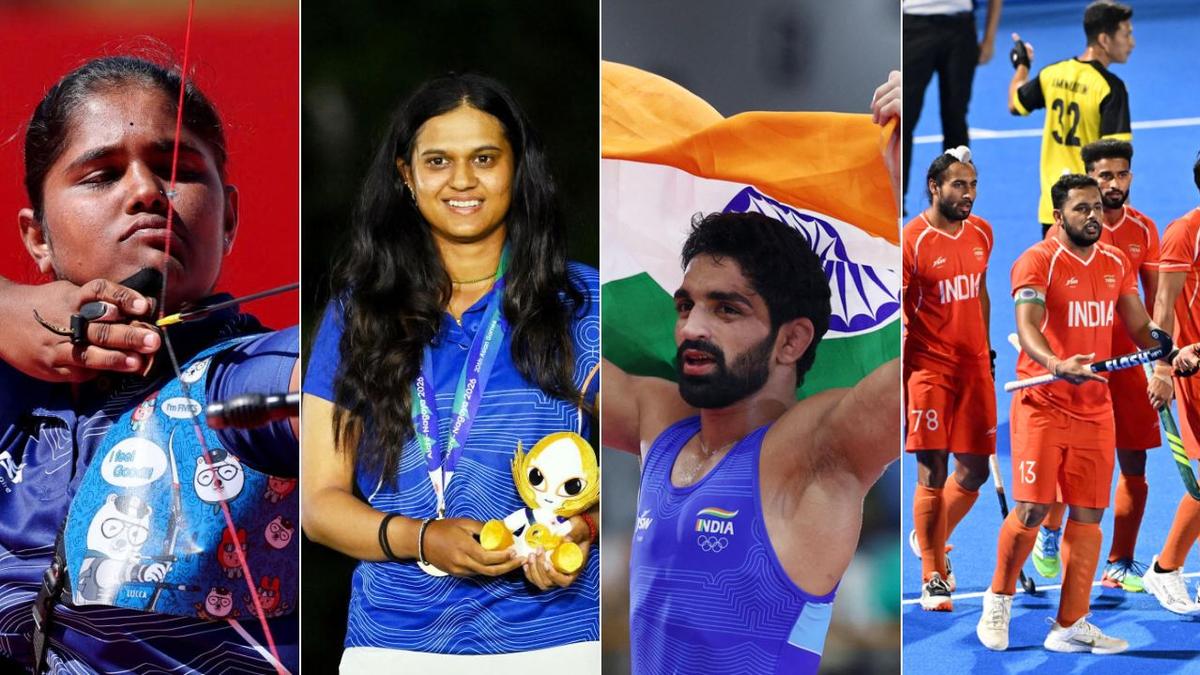
India Achieves Fourth Place at Asian Games 2026 Through Late Success