India Lifts Restrictions on Petrol and Diesel Sales Effective July 1


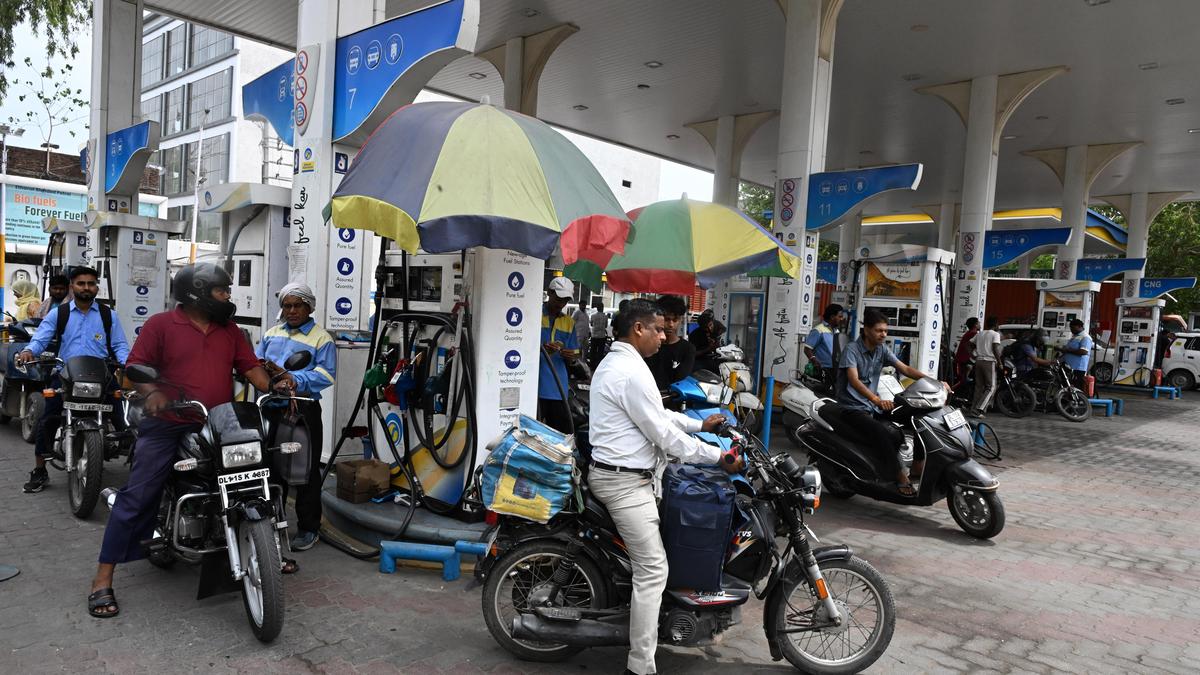
The Indian government has announced the removal of all restrictions and caps on the sale of petrol and diesel, which will take effect from July 1, 2026. This decision indicates a positive shift in the supply situation of these fuels across the country.
The Ministry of Petroleum and Natural Gas confirmed that the previous cap, which limited retail diesel sales to 200 litres per consumer per day, has been lifted. Additionally, industrial users will now be allowed to purchase fuel directly from retail outlets, a change from prior regulations that required them to source fuel through dedicated channels.
On June 25, the government had already taken steps to normalise the supply of industrial and commercial liquefied petroleum gas (LPG), which had been disrupted due to the ongoing conflict in West Asia. This earlier directive withdrew sector-specific allocation caps, aiming to stabilise fuel availability across various sectors.
The previous control order for diesel, enacted on June 12, was intended to prevent black marketing, hoarding, and diversion of the fuel. It was implemented to ensure that retail consumers had adequate access to petrol and diesel while stabilising the market. In its statement, the government remarked on the efficacy of these temporary measures, which helped ensure sufficient supply and availability during a challenging period in the market.
The withdrawal of these restrictions is expected to be beneficial for both consumers and industrial users, allowing them greater flexibility in sourcing fuels as the market returns to normal.
Moreover, the now-defunct regulations had mandated state-owned oil marketing companies to restrict the distribution of diesel to a maximum of 200 litres per transaction, which was aimed at curbing the trend of industrial consumers seeking to take advantage of price differences between retail and bulk diesel.
As a result of this regulatory shift, retail prices are anticipated to stabilise, benefiting both everyday consumers and businesses reliant on petrol and diesel for their operations. The government has acknowledged that earlier restrictions had indeed played a role in maintaining fuel availability, but the current measures reflect a discernible improvement in supply conditions.
BJP Allies Urge Election Commission to Address Public Concerns

Thousands of Ganesh Idols Immersed in Telangana Festivities
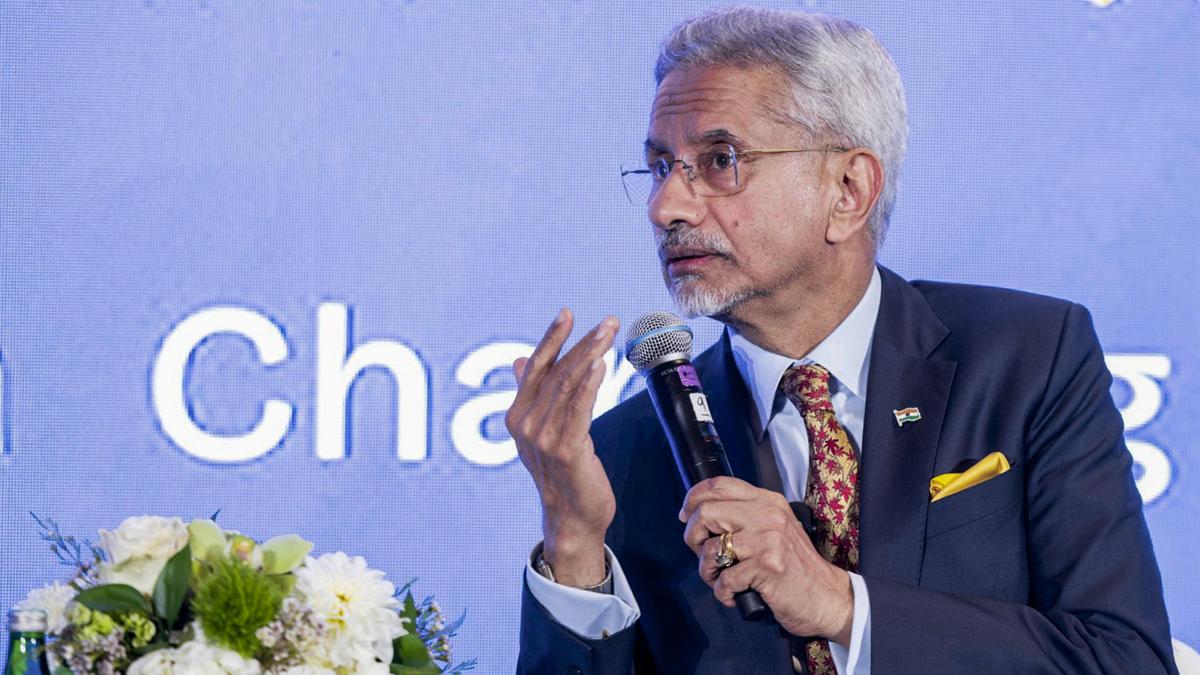
Jaishankar Calls Attacks on Civilian Shipping ‘Indefensible’
Indian Prime Minister Urges Integration of Social Reforms in Governance