Ayatollah Ali Khamenei Killed in US–Israel Strikes


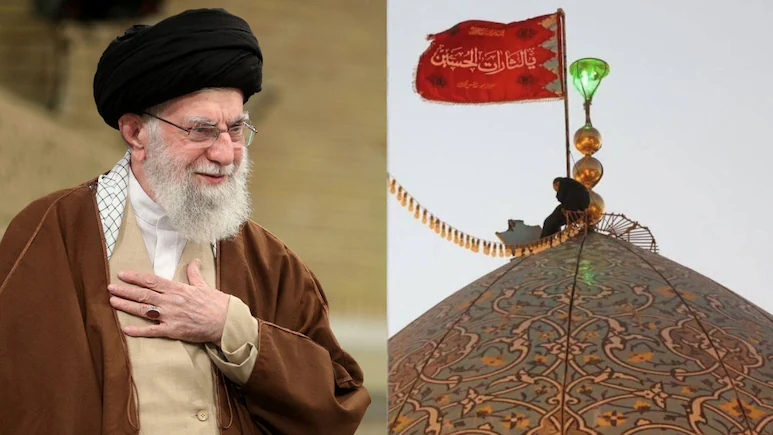
Ayatollah Ali Khamenei, Iran’s Supreme Leader since 1989 and the country’s most powerful political and religious authority, has been killed in reported joint strikes by the United States and Israel, according to Iranian state media. He was 86.
The announcement was made early Sunday, hours after United States President Donald Trump said that Khamenei had been killed in what he described as a coordinated military operation. Israeli officials also indicated that the Iranian leader was no longer alive.
Strikes and confirmation
Iranian state television confirmed the death following large-scale attacks targeting sites in Tehran. The strikes were part of an escalating confrontation between Iran, Israel and the United States, centred on Iran’s nuclear programme and regional military activities.
President Trump said in a statement that Khamenei was “dead” following the operation. Israeli Prime Minister Benjamin Netanyahu said there were “many signs that this tyrant is no longer alive” and called on Iranians to consider political change.
The Israeli military stated that Khamenei had overseen efforts to expand Iranian influence across the Middle East and described him as a central figure in what it called a network of allied armed groups.
Iran’s government declared 40 days of public mourning and announced a seven-day nationwide holiday. Iranian media also reported that several members of Khamenei’s family were killed in the same strike.
Red flag raised in Qom
In a symbolic gesture after the announcement, a red flag associated with calls for justice and revenge was raised over the Jamkaran Mosque in the holy city of Qom. The mosque holds religious significance for Shiite Muslims, and the red flag has previously been used to signal a call for retaliation.
Footage carried by Iranian outlets showed the flag hoisted above the mosque dome as supporters gathered in mourning. Protests and vigils were reported in several Iranian cities.
Leadership transition begins
Under Iran’s constitution, the selection of a new supreme leader falls to the Assembly of Experts, an 88-member clerical body elected by the public. No clear successor had been publicly designated at the time of Khamenei’s death.
State media reported that a temporary leadership council has been formed to carry out the supreme leader’s responsibilities. The council includes President Masoud Pezeshkian, Chief Justice Gholamhossein Mohseni Ejei and cleric Alireza Arafi, a member of the Guardian Council, which vets legislation and electoral candidates.
The interim arrangement will remain in place until the Assembly of Experts appoints a new leader.
A dominant figure in Iranian politics
Ali Khamenei assumed the position of supreme leader in 1989 following the death of Ayatollah Ruhollah Khomeini, the founder of the Islamic Republic. Although he initially faced questions about his religious credentials, he went on to consolidate authority over the armed forces, judiciary and state broadcasting, becoming Iran’s ultimate decision-maker.
Over more than three decades, he expanded the influence of the Islamic Revolutionary Guard Corps, a powerful military and economic institution that played a key role in domestic security and regional operations.
Under his leadership, Iran supported allied groups across the Middle East, including Lebanon’s Hezbollah and Yemen’s Houthi movement. These alliances were described by Iranian officials as a “resistance” axis against Israel and Western influence.
Confrontation over nuclear programme
Khamenei maintained a sceptical stance towards the United States, frequently referring to it as a hostile power. While he endorsed negotiations that led to the 2015 nuclear agreement between Iran and world powers, he also supported continued nuclear development within what he described as peaceful limits.
The agreement placed restrictions on Iran’s uranium enrichment in exchange for sanctions relief. However, the United States withdrew from the deal in 2018 during President Trump’s first term, reinstating sanctions. Iran subsequently expanded its nuclear activities beyond the accord’s limits.
Recent months saw renewed tensions. In June, Israeli and American forces targeted Iranian nuclear facilities, and Iran responded with missile and drone attacks on Israeli territory. Diplomatic efforts to revive negotiations had shown limited progress.
Domestic unrest
Khamenei’s tenure also saw repeated waves of domestic protests. Demonstrations erupted over economic hardship, political freedoms and social restrictions, including mandatory dress codes for women.
In 2022, nationwide protests followed the death of Mahsa Amini while in custody for allegedly violating dress regulations. Human rights groups reported hundreds of deaths during the subsequent security crackdown. Iranian authorities denied excessive force.
Further protests were reported in late 2025 amid economic strain, as inflation and unemployment rose under the weight of sanctions.
Regional and global implications
Khamenei’s death introduces significant uncertainty into Iran’s political system. The supreme leader holds ultimate authority over foreign policy, defence and key state institutions. A transition could influence the direction of Iran’s nuclear programme, its regional alliances and its relationship with Western powers.
Analysts say the role of the Revolutionary Guard will be critical during the transition period. The force has demonstrated loyalty to the clerical establishment and has played a decisive role in suppressing unrest.
International reactions are likely to shape the next phase of events. While President Trump framed the development as an opportunity for Iranians to “take back” their country, Iranian officials signalled that retaliation remains under consideration.
For now, Iran enters a period of mourning and political transition, with the Assembly of Experts expected to begin deliberations on a successor in the coming days. The outcome may determine whether the Islamic Republic continues along its current path or faces deeper structural change.
Kerala Initiates Probe into 2006 Suicide Case Involving CEC
Extradition of Sheikh Hasina Feasible, Says Indian High Commissioner

Punjabi Makeup Artist Mad Sandhu Shot Dead in Amritsar
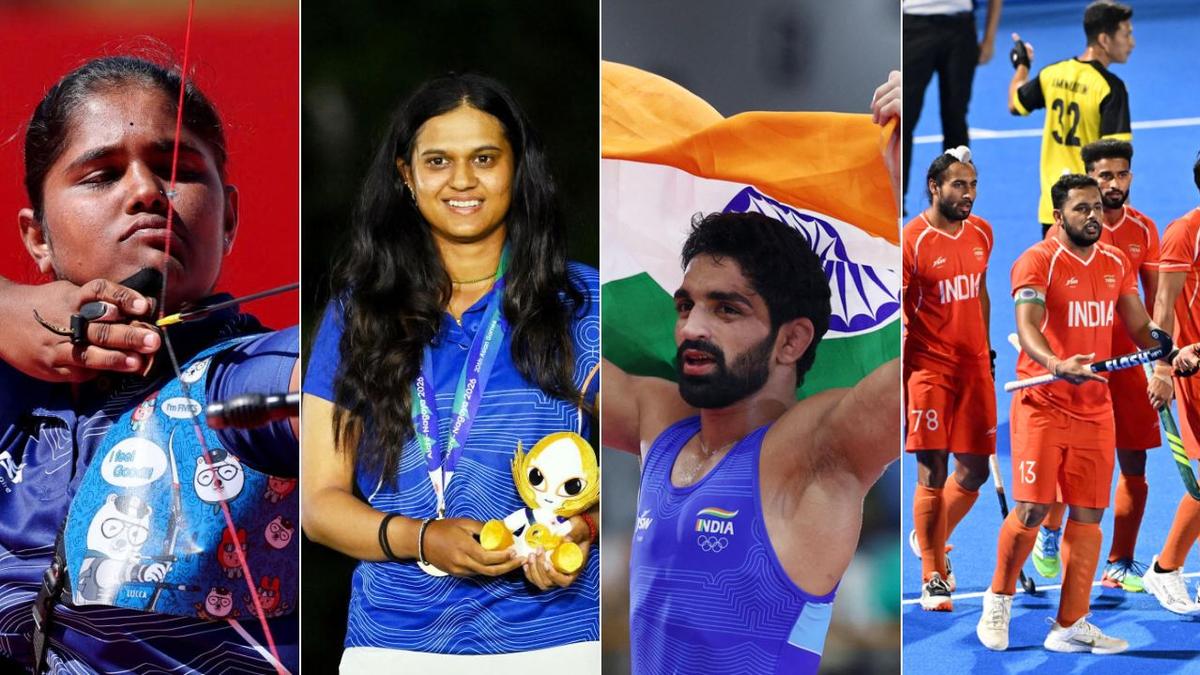
India Achieves Fourth Place at Asian Games 2026 Through Late Success