India Backs IEA Emergency Oil Release as Markets Remain Cautious


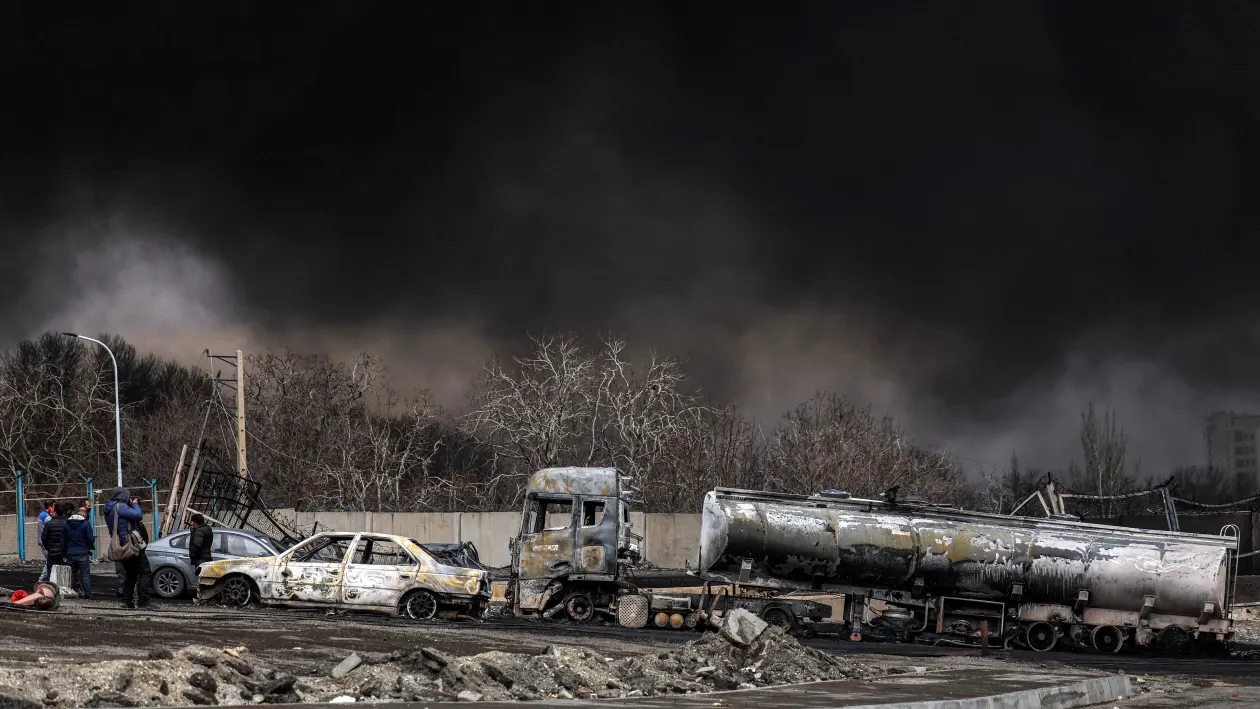
India has welcomed the decision by the International Energy Agency (IEA) to release emergency oil stocks in response to global supply disruptions, a move aimed at stabilising energy markets amid rising geopolitical tensions.
The announcement comes as uncertainty in global oil supply chains has pushed governments and markets to seek measures that could ease pressure on crude prices and prevent shortages.
India’s government said the release of emergency reserves could help moderate price volatility and ensure continued availability of crude oil in the international market. As one of the world’s largest energy importers, India remains highly sensitive to fluctuations in global oil supply and pricing.
The decision by the International Energy Agency, which coordinates energy policies among major consuming nations, allows member countries to release part of their strategic petroleum reserves to offset supply disruptions and stabilise markets.
However, market reactions have been cautious. Analysts note that while reserve releases can provide short-term relief, they may not fully address deeper supply concerns driven by geopolitical instability and production uncertainties.
According to analysis highlighted by CNBC, oil traders appeared unconvinced that the reserve release alone would significantly change the overall supply-demand balance. Crude prices have remained volatile as investors weigh the scale of the release against the broader risks affecting global energy markets.
The United States and other major economies have previously used strategic reserves during periods of supply stress, but such measures are generally seen as temporary tools rather than long-term solutions.
Energy experts say sustained market stability will depend on factors including production levels from major oil-producing nations, the security of global shipping routes, and geopolitical developments affecting energy infrastructure.
For India, the move provides some reassurance as authorities monitor the global situation and work to safeguard domestic energy supplies.
Officials say the country will continue coordinating with international partners to ensure energy security while managing potential price shocks in the coming months.
Kerala Initiates Probe into 2006 Suicide Case Involving CEC
Extradition of Sheikh Hasina Feasible, Says Indian High Commissioner

Punjabi Makeup Artist Mad Sandhu Shot Dead in Amritsar

India Achieves Fourth Place at Asian Games 2026 Through Late Success