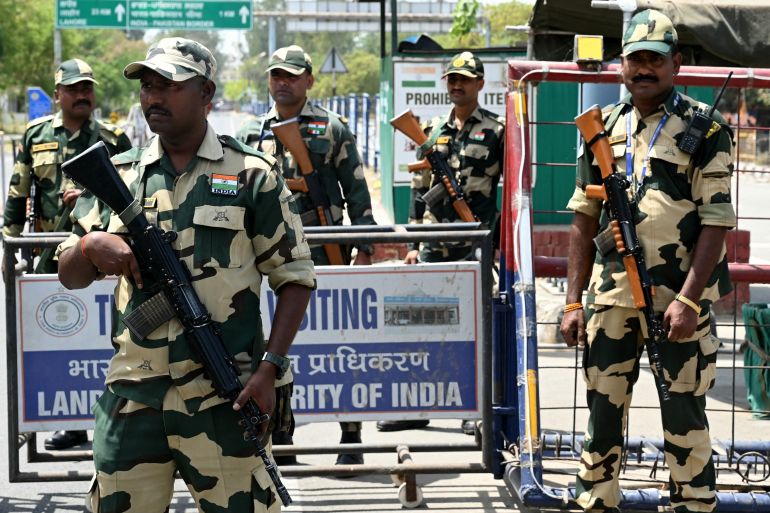
India Advises Nationals in Iran to Stay Indoors


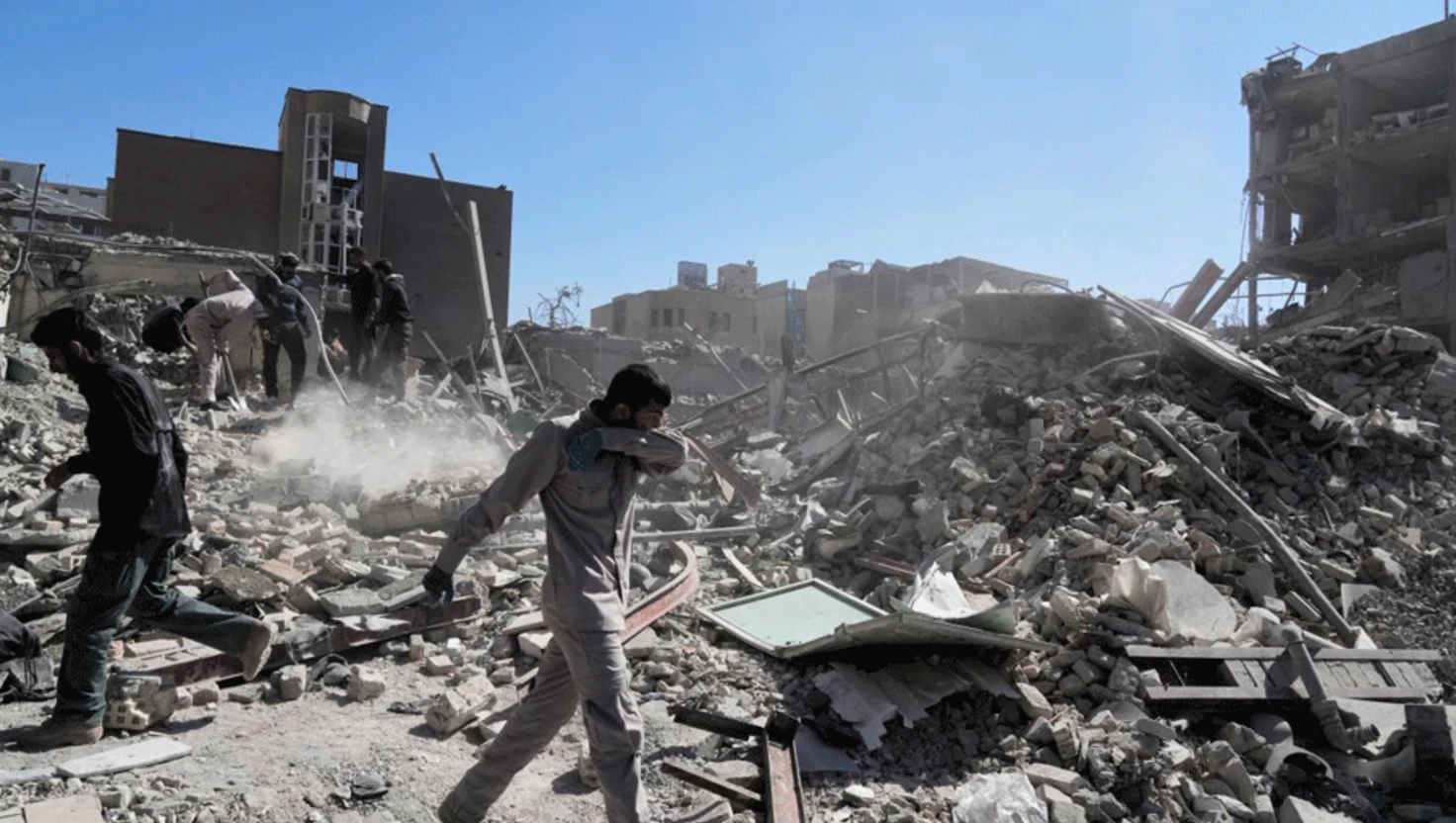
India has advised its citizens in Iran to remain indoors and avoid unnecessary movement as military strikes by the United States and Israel intensify, prompting growing concern over regional stability and economic disruption.
In a fresh advisory, the Indian Embassy in Tehran urged nationals to exercise “utmost caution” amid the deteriorating security situation.
Embassy advisory and student relocation
“In view of the developing situation, all Indian nationals in Iran are advised to exercise utmost caution, avoid unnecessary movements and remain indoors as far as possible,” the embassy said.
The mission also instructed citizens to stay away from windows, avoid areas of protest or demonstrations and maintain regular contact with the embassy. Emergency helplines have been activated for those requiring assistance.
Around 9,000 Indian nationals, including a significant number of students, are currently in Iran. The embassy said most Indian students previously based in Tehran had been moved to safer locations outside the capital due to heightened risk.
“The Embassy has made arrangements for their transportation, food, and accommodation,” it said, noting that only a small number of students had declined relocation.
Widening regional impact
The advisory comes as India’s Ministry of External Affairs signalled deeper concern over the expanding conflict in West Asia.
In a statement on Tuesday, the ministry said the situation had “deteriorated significantly and continuously” and warned that the violence had spread to other countries in the region. It referred to mounting destruction and loss of life, as well as disruptions to daily life and economic activity.
The ministry described India as “a proximate neighbour with critical stakes in the security and stability of the region”, adding that recent developments had caused “great anxiety”.
For the first time since the latest escalation began, the government confirmed that some Indian nationals had been killed or were missing in recent attacks on merchant shipping in the Gulf. India said it was “firmly opposed” to such attacks.
Exposure of Indian citizens in the Gulf
The government estimates that nearly 10 million Indian citizens live and work across Gulf countries. The largest communities are in the United Arab Emirates and Saudi Arabia, followed by Kuwait, Qatar, Oman and Bahrain.
Many are employed in construction, healthcare, retail and hospitality, making their safety a priority for New Delhi. Indian missions in the region have issued repeated advisories, urging nationals to remain vigilant and register with embassies.
In recent days, some stranded Indian citizens have begun returning home as limited commercial flights resume from certain Gulf airports, although airspace restrictions remain in place in parts of the region.
Energy and trade concerns
Beyond the immediate safety of citizens, India faces significant economic exposure to instability in the Gulf.
The country imports approximately 85 to 90 percent of its crude oil needs, amounting to more than five million barrels per day. Over one-third of these imports transit through the Strait of Hormuz, a narrow maritime passage between the Persian Gulf and the Gulf of Oman.
Roughly half of India’s liquefied natural gas imports also pass through the same route, including substantial volumes sourced from Qatar under long-term contracts.
Brent crude prices rose above 85 US dollars per barrel on Tuesday amid fears of supply disruption. Analysts have warned that a prolonged closure of the Strait of Hormuz could push prices significantly higher, increasing India’s import bill and adding pressure to inflation and the national currency.
Diplomatic outreach
Prime Minister Narendra Modi and External Affairs Minister Subrahmanyam Jaishankar have held discussions with leaders across the Gulf in recent days, according to the Ministry of External Affairs.
The ministry said India remains in contact with governments in the region and other key international partners. It added that the government would continue to monitor developments closely and take decisions in the national interest.
Public statements have confirmed conversations with leaders in Oman, Kuwait, Qatar, Saudi Arabia, the United Arab Emirates, Bahrain, Jordan and Israel. There has been no public confirmation of direct talks with Iranian officials since the latest escalation.
India has historically maintained diplomatic and economic ties with Tehran, including cooperation on infrastructure projects such as the Chabahar port, which serves as a gateway to Afghanistan and Central Asia.
Balancing diplomacy and security
New Delhi has not issued a direct condemnation of the US and Israeli strikes on Iran, despite criticism from opposition parties at home. Instead, it has emphasised restraint, de-escalation and the protection of its citizens and economic interests.
As military exchanges continue and regional tensions remain high, India’s priority appears focused on safeguarding its nationals, securing energy supply chains and maintaining diplomatic channels with multiple parties in the conflict.
The evolving situation underscores the complex balance India faces as both a major energy importer and a country with millions of citizens living and working across the Gulf region.
Kerala Initiates Probe into 2006 Suicide Case Involving CEC
Extradition of Sheikh Hasina Feasible, Says Indian High Commissioner

Punjabi Makeup Artist Mad Sandhu Shot Dead in Amritsar

India Achieves Fourth Place at Asian Games 2026 Through Late Success