Global South Condemns US-Israel War on Iran


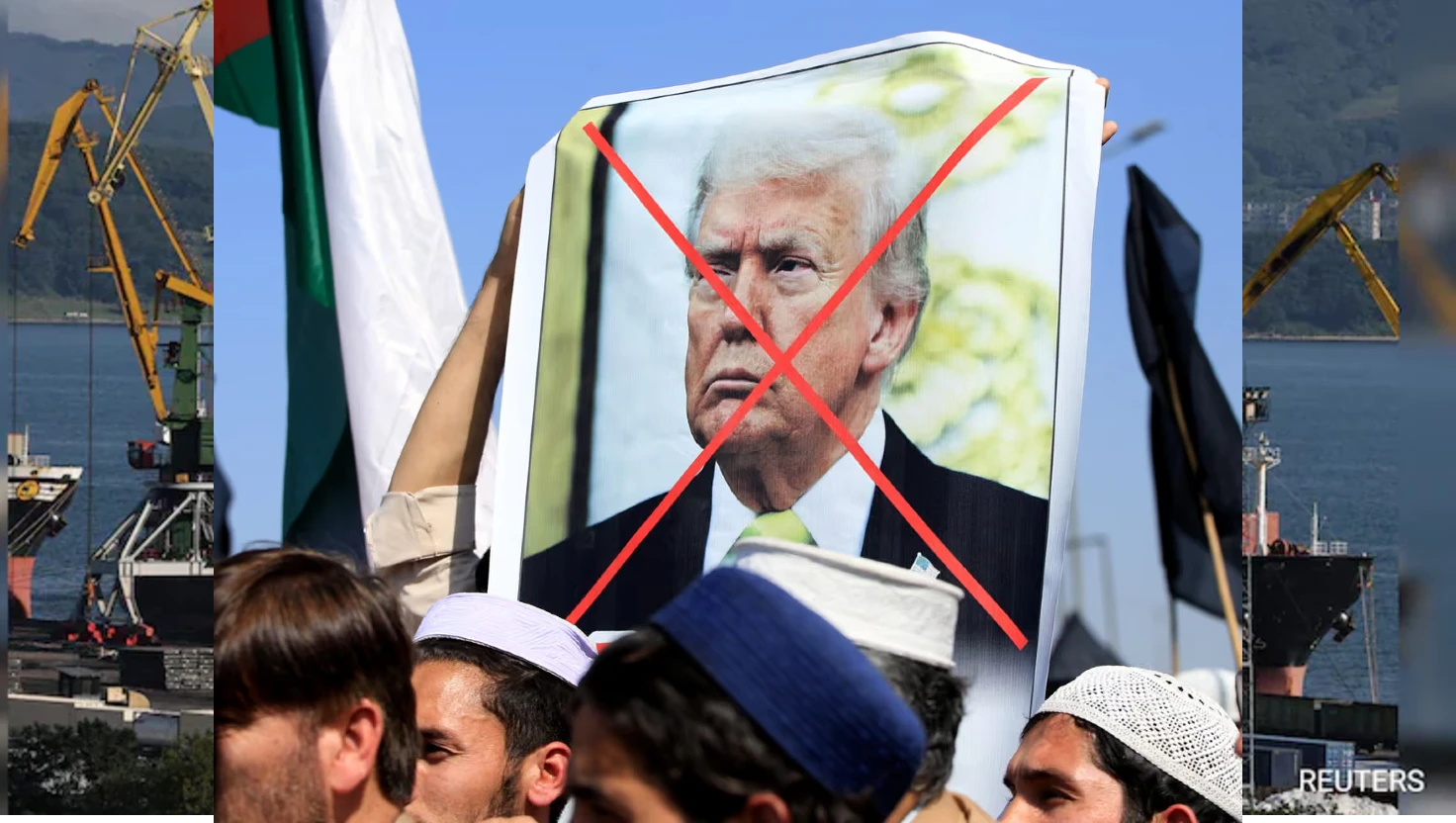
The coordinated attacks, which have targeted sites across Iran and led to retaliatory strikes in the Gulf, have drawn strong reactions from Asia, Africa and Latin America. Several governments have questioned the legality of the operation and the decision to launch military action while diplomatic talks were under way.
Widespread diplomatic criticism
China said it was unacceptable to target the leader of a sovereign state, after Iranian state media reported that Supreme Leader Ayatollah Ali Khamenei was killed in the strikes. Pakistan’s Prime Minister Shehbaz Sharif offered condolences and said international law prohibited attacks on heads of state.
South Africa’s President Cyril Ramaphosa challenged the justification of pre-emptive self-defence advanced by Washington and Tel Aviv. He said self-defence under international law applied only in response to armed aggression and added that “there can be no military solution to fundamentally political problems”.
Brazil’s government expressed “grave concern”, stating that the attacks occurred during a negotiation process over Iran’s nuclear programme and missile capabilities, which it described as the only viable path to peace.
Turkey’s President Recep Tayyip Erdoğan condemned the strikes and accused Israeli Prime Minister Benjamin Netanyahu of instigating the escalation. Oman, which had been mediating talks between Washington and Tehran, urged restraint. Oman’s foreign minister, Badr Albusaidi, said: “I urge the US not to get sucked in further. This is not your war.”
Southeast Asian nations also voiced concern. Malaysia said disputes should be resolved through dialogue and diplomacy. Indonesia said it deeply regretted the collapse of negotiations and offered to help reopen channels of communication.
Conflict widens across the region
The military campaign has triggered retaliatory action by Iran and its allies, widening the crisis.
Iran’s Revolutionary Guard Corps announced the closure of the Strait of Hormuz, a key maritime route through which around one-fifth of global oil supplies pass. Tehran warned that vessels attempting to cross could be targeted.
In Qatar, authorities said they had intercepted ballistic missiles and drones launched from Iran, although two missiles struck the Al Udeid Air Base, which hosts United States forces. QatarEnergy temporarily halted liquefied natural gas production following the attacks.
Kuwait reported that three United States fighter jets had crashed, with the US military stating they were mistakenly shot down. Saudi Arabia said it intercepted drones near Riyadh, while drone strikes reportedly caused minor damage near the US embassy compound.
The United States State Department has urged American citizens to leave several Gulf states due to what it described as serious security risks. Limited flight operations have resumed at some airports, including Dubai, but many routes remain suspended.
In Israel, air defence systems have been deployed to intercept incoming missiles. Israeli Prime Minister Benjamin Netanyahu defended the strikes, saying they were aimed at preventing Iran from advancing its nuclear capabilities.
Washington’s stated objectives
United States Secretary of State Marco Rubio warned that “harder hits” on Iran were still to come. Defence Secretary Pete Hegseth said the strikes were intended to degrade Iran’s naval power and curtail its nuclear and missile ambitions.
President Donald Trump said military action would continue until US objectives were achieved. Vice President JD Vance said the goal was to ensure that Iran could “never have a nuclear weapon”.
The Pentagon reported that six US service members had been killed and 18 injured during the conflict so far.
Casualties in Iran have been significant. Iranian state media, citing the Red Crescent, reported that more than 700 people had been killed, including Ayatollah Khamenei. Strikes in Tehran reportedly damaged government facilities and the Golestan Palace, a United Nations Educational, Scientific and Cultural Organization World Heritage Site.
Debate over international law
Analysts say criticism from the Global South reflects longstanding concerns about unilateral military interventions.
Siphamandla Zondi, a professor at the University of Johannesburg, said many countries in Africa, Asia and Latin America view such conflicts as exercises of power rather than moral missions. “This is a war of domination and subordination, therefore it has imperialist undertones and motives,” he said.
Amitav Acharya, author of The Once and Future Global Order, said many governments fear the erosion of international legal norms. “Many countries in the global south are going to look for a coalition of powers that will stand up to the United States,” he said.
Heraldo Muñoz, a former foreign minister of Chile, criticised the Iranian government but also described the strikes as a violation of international law.
Others argued that the lack of a United Nations Security Council mandate and the absence of explicit approval from the United States Congress have intensified global unease.
Wider geopolitical impact
The conflict has raised concerns about energy security, global trade routes and regional stability. The temporary closure of the Strait of Hormuz has unsettled markets and heightened fears of oil price volatility.
Some commentators suggest that prolonged instability could reshape alliances, with developing nations seeking alternative diplomatic groupings. Others warn that further escalation could deepen divisions between Western powers and emerging economies.
For now, calls for de-escalation continue from multiple capitals, even as military operations persist. With diplomatic channels strained and hostilities spreading across several countries, the crisis marks one of the most significant regional escalations in recent years.
Kerala Initiates Probe into 2006 Suicide Case Involving CEC
Extradition of Sheikh Hasina Feasible, Says Indian High Commissioner

Punjabi Makeup Artist Mad Sandhu Shot Dead in Amritsar
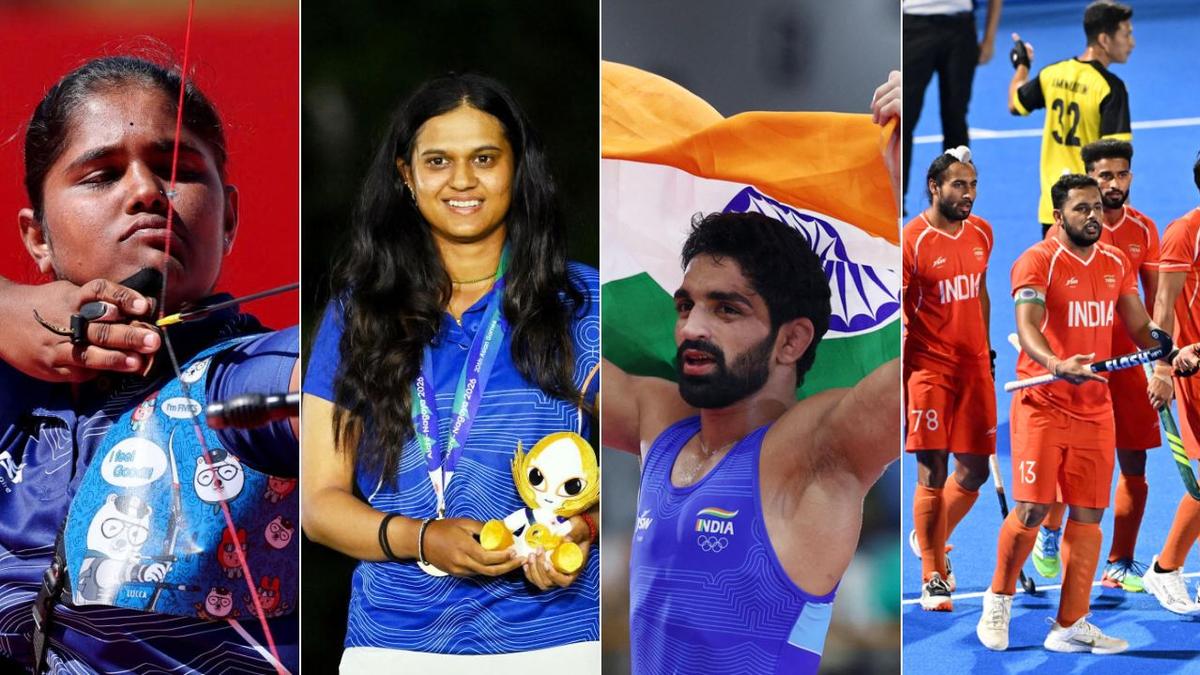
India Achieves Fourth Place at Asian Games 2026 Through Late Success