Impact of Trump's Blockade on Venezuela's Oil Tankers Examined


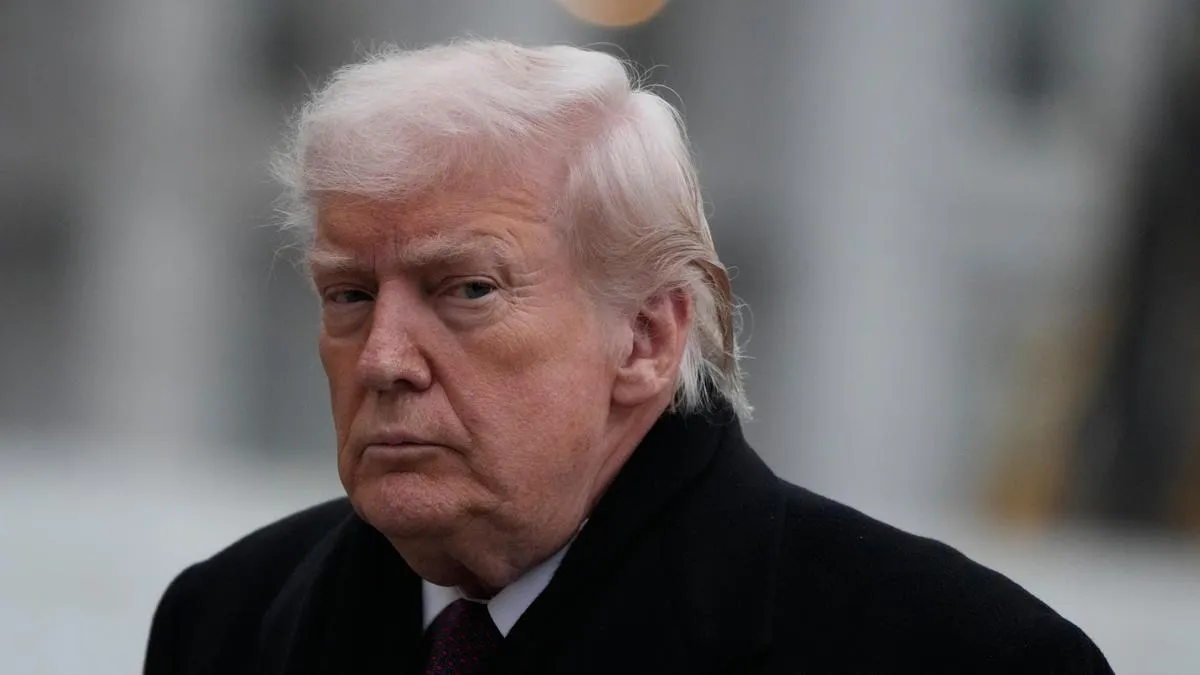
United States President Donald Trump has intensified tensions with Venezuela by announcing a blockade on oil tankers associated with the country. Analysts from Kpler, a global data and analytics provider, suggest that this move is unlikely to significantly disrupt the global crude oil market.
Venezuela's current oil production stands at approximately 900,000 barrels per day, representing around 1% of the global oil supply. Of the 765,000 barrels exported daily, about 76% is directed towards China, primarily to independent refiners known as teapot refiners. This shift occurs as state-owned companies refrain from engaging in these shipments due to concerns over sanctions.
In the year 2025, the United States has imported roughly 17% of Venezuela's oil exports, a decrease from 35% in 2024, attributed to changes affecting Chevron’s export license. Other countries receiving Venezuelan oil include Cuba, Spain, and Italy, primarily under pre-existing agreements.
On Tuesday, President Trump declared a total blockade on sanctioned oil tankers travelling to and from Venezuela. This decision is part of the United States' efforts to intensify pressure on Nicolás Maduro's administration, which is perceived as heavily reliant on oil revenue.
While the specifics of how the blockade will be enforced remain ambiguous, President Trump has stated that thousands of troops and several warships, including an aircraft carrier, have already been deployed to the region. In a statement on Truth Social, he referred to the Venezuelan government as a 'FOREIGN TERRORIST ORGANIZATION' and outlined the rationale behind the blockade, citing issues such as terrorism and drug smuggling.
Experts from Kpler note that while this increased US pressure may introduce some geopolitical risk to Brent crude prices, it is not expected to alter overall market dynamics significantly. "Disruptions to Venezuelan oil supply primarily affect a limited number of buyers, and the global market is sufficiently robust to absorb any potential shortages stemming from US actions," Kpler reported.
The statement regarding the blockade of 'all sanctioned oil tankers' implies that shipments deemed legitimate, such as those under Chevron’s license to the United States, might continue without hindrance. This suggests that while Venezuelan supplies to sanctioned markets may face interruptions, shipments to the US could remain stable.
However, cargoes destined for China and Cuba could be more vulnerable to disruptions. Kpler's data indicates that Cuba imports approximately 28,000 barrels per day from Venezuela, with around 35% of that supply coming from Venezuelan sources. If Venezuelan oil supply becomes irregular, Cuba could experience immediate supply challenges. Nonetheless, Russian oil might serve as an alternative source to fill any gaps, despite ongoing US sanctions on Russian companies.
Chinese teapot refiners could experience significant repercussions due to their reliance on Venezuelan crude. Nevertheless, the impact of any blockade is expected to be mitigated by the substantial volumes of Venezuelan oil currently in transit and the steady supply from non-sanctioned producers such as Iran and Russia.
Market sources indicate that Venezuelan Merey cargoes are trading at approximately $15 below the Intercontinental Exchange (ICE) Brent price for deliveries to China. Even after the US seized a Venezuelan oil tanker recently, attempts by sellers to increase prices have been thwarted by plentiful Iranian supplies and a notable decline in Russian oil prices in China.
Many Iranian heavy cargoes remain unsold, further limiting any potential price increases for Venezuelan oil in China. Both sanctioned and non-sanctioned oil markets are currently experiencing a significant surplus, reducing buyer sensitivity to geopolitical developments.
Recent data from Kpler reveals that the floating storage of crude oil from Iran, Venezuela, and Russia has reached 74 million barrels, marking the highest level since November 2022. This oversupply could further complicate the implications of the US blockade on Venezuela's oil exports.
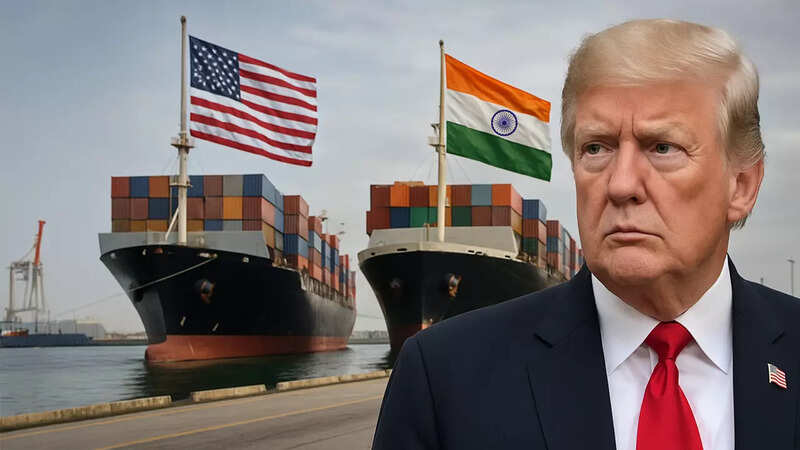
Impact of Trump's Tariff Law on India's Oil Imports and Trade
United Russia Party Secures Supermajority Despite Ukraine Conflict
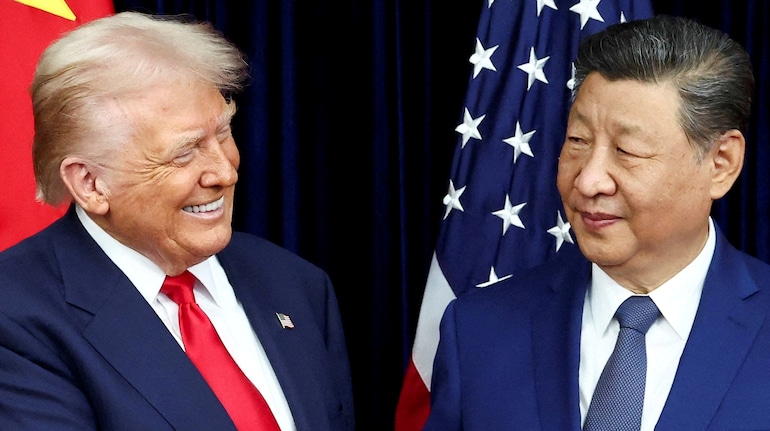
Xi Jinping's US Visit Planned Amid Economic Tensions with Trump

India's External Affairs Minister to Address UNGA Amid US Tariff Changes