Tensions Rise as Anti-India Protests Prompt Visa Centre Closures in Bangladesh


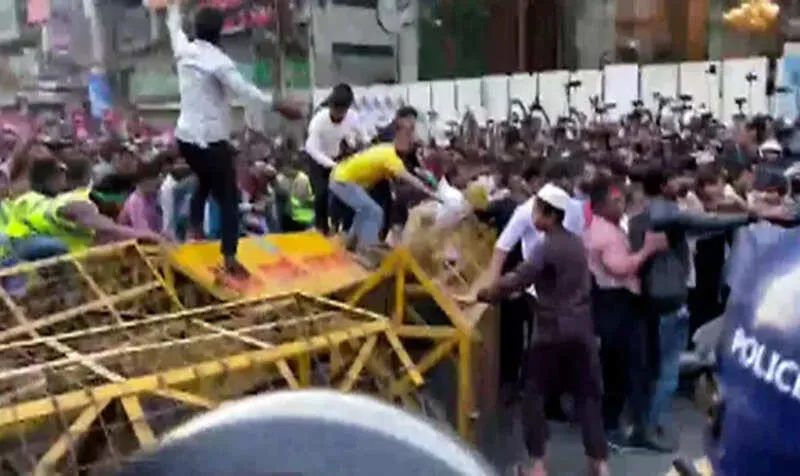
New Delhi: Recent anti-India demonstrations in Bangladesh have resulted in the temporary closure of two Indian Visa Application Centres (IVAC) in Khulna and Rajshahi due to security concerns. This decision followed a significant protest march towards the Indian High Commission in Rajshahi, where demonstrators raised slogans against India and called for the return of former Prime Minister Sheikh Hasina, who fled to India last year.
The IVAC in Dhaka, located in Jamuna Future Park, has resumed operations following a temporary suspension. An official from the IVAC confirmed that the Dhaka centre is functioning normally, but reiterated that the facilities in Khulna and Rajshahi remain closed today due to ongoing tensions. The notice on their website stated, "In view of the ongoing security situation, IVAC Rajshahi and Khulna will remain closed today. All applicants with appointments scheduled for today will be allotted fresh slots at a later date."
Bangladesh currently operates five visa centres for Indian visa applicants, with the Dhaka and Chattogram centres remaining open. The closures in Khulna and Rajshahi have been described as a precautionary measure due to recent unrest.
On Wednesday, the Indian Ministry of External Affairs summoned Bangladesh's High Commissioner to India, Riaz Hamidullah, to express strong concerns about the protests and to urge the interim government to ensure the safety of diplomatic missions in Bangladesh. According to the Ministry, there are apprehensions regarding extremist elements potentially threatening the Indian mission in Dhaka.
"We expect the interim government to ensure the safety of missions and posts in Bangladesh in keeping with its diplomatic obligations," the Ministry stated. The High Commissioner was informed of India's serious concerns regarding the deteriorating security environment.
The protests were predominantly organised by student-led groups, including July Oikya (July Unity), which demanded an end to what they described as "anti-Bangladesh conspiracies" and called for the extradition of Sheikh Hasina. The former Prime Minister has been living in New Delhi since her departure from Bangladesh amidst political turmoil.
Concurrently, Bangladesh's Foreign Secretary, Asad Alam Siam, met with foreign diplomats to assure them of the security of their missions ahead of the national elections scheduled for February 12, 2026. He emphasised that the Election Commission would welcome international election observers.
The protests reflect heightened tensions between the two neighbouring countries, particularly following inflammatory remarks made by Bangladeshi political figures. Former student leader Hasnat Abdullah, speaking at a rally, made controversial statements about India's involvement in Bangladesh's domestic affairs, further fuelling anti-India sentiment.
The ongoing political climate in Bangladesh, marked by the July Uprising against the Hasina government, continues to strain relations with India. Observers note that the upcoming elections may further exacerbate these tensions as various factions vie for power.
In light of these developments, both countries are navigating a complex diplomatic landscape, with calls for restraint and dialogue from various quarters. The situation remains fluid, and diplomatic efforts will be essential in addressing the underlying issues that have led to the current unrest.
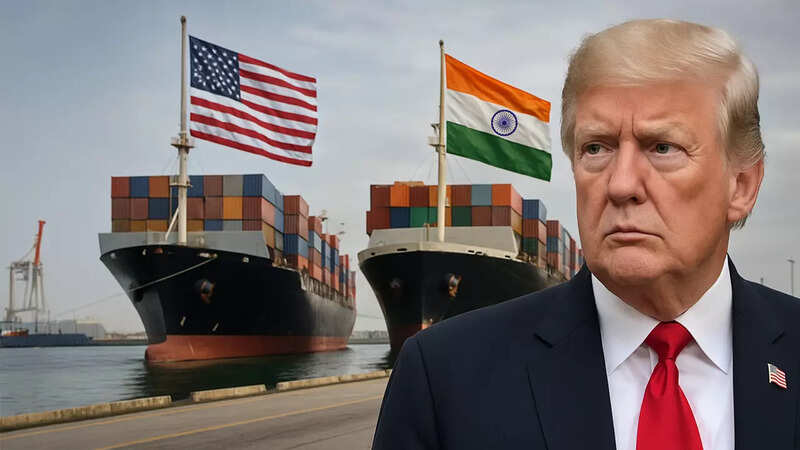
Impact of Trump's Tariff Law on India's Oil Imports and Trade
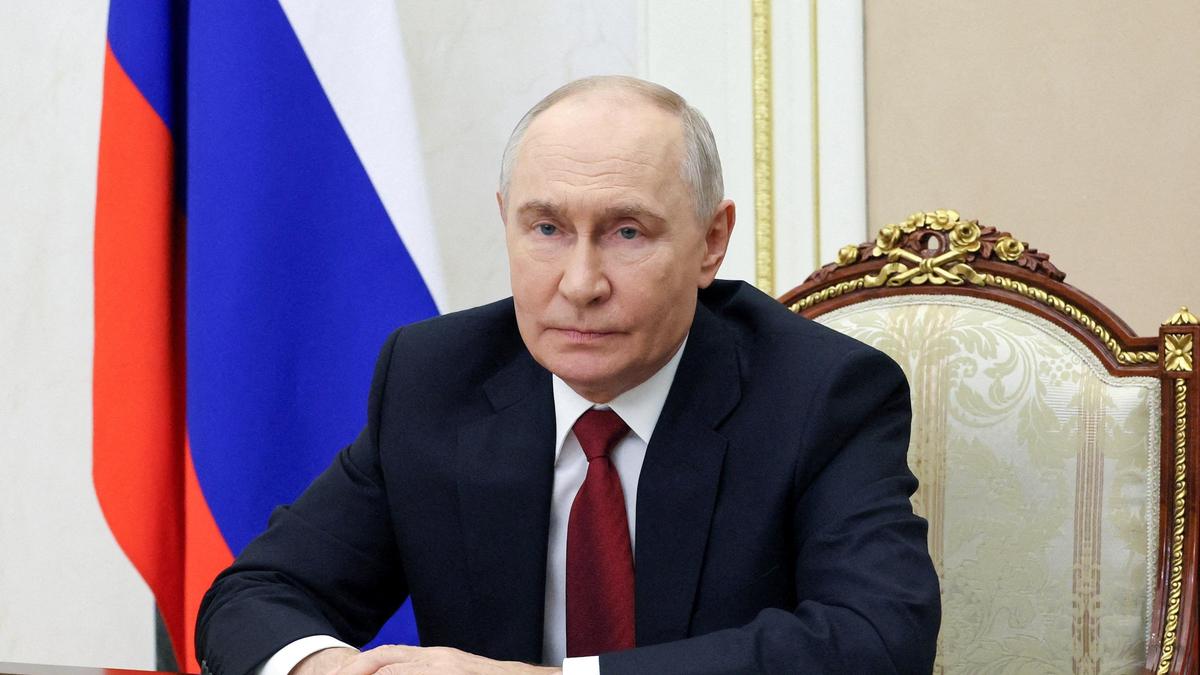
United Russia Party Secures Supermajority Despite Ukraine Conflict
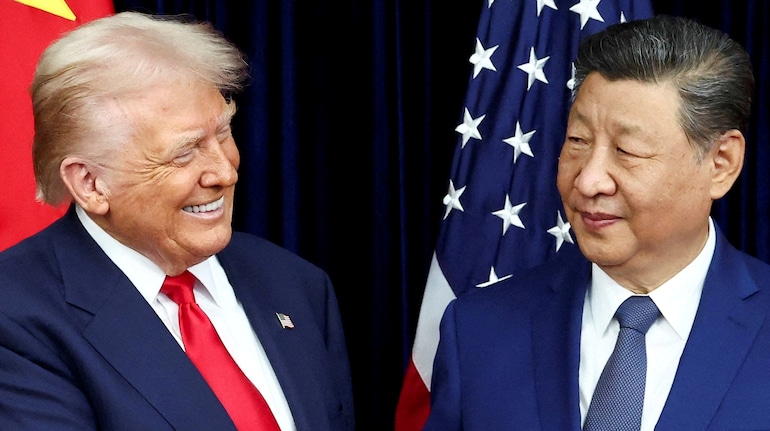
Xi Jinping's US Visit Planned Amid Economic Tensions with Trump
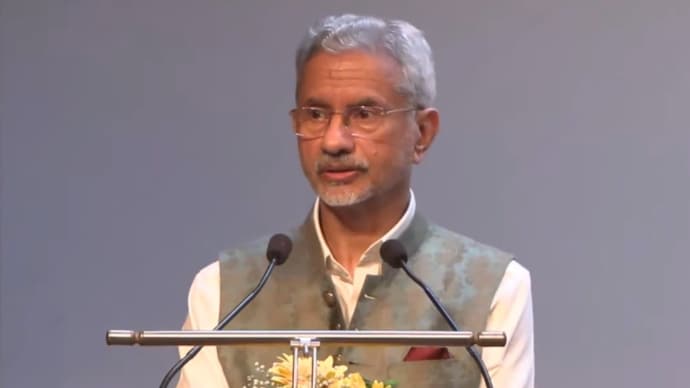
India's External Affairs Minister to Address UNGA Amid US Tariff Changes