HIV Infection in Thalassemia Patients Raises Concerns in India


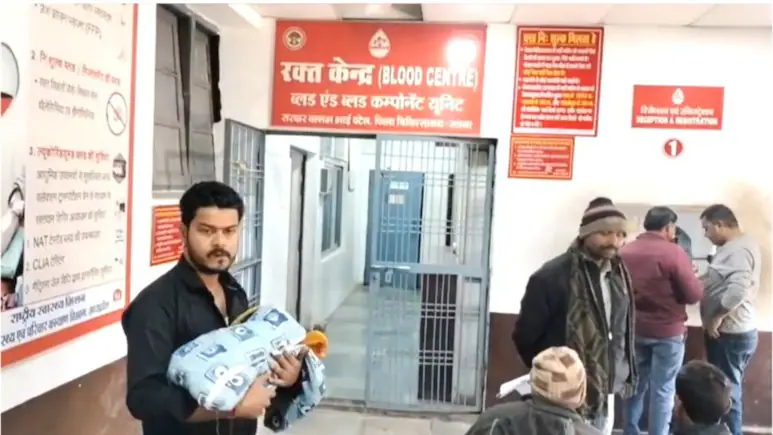
Parents in India are grappling with the distressing news that their children, who suffer from thalassemia, have tested positive for HIV following life-saving blood transfusions. This revelation has prompted widespread concern regarding blood safety protocols in the country.
Thalassemia is a hereditary blood disorder that leads to severe anaemia, necessitating regular blood transfusions to manage the condition. On Wednesday, officials in Madhya Pradesh announced that five children, aged between three and 15 years, were diagnosed with HIV. This has raised alarms about the safety of blood transfusion practices in the region, leading to the formation of a committee to investigate the matter.
The affected families reside in Satna district, and the infections were identified during routine screenings conducted between January and May 2025. However, the issue gained significant media attention only recently, highlighting the urgency of the situation.
This incident follows a similar case in Jharkhand, where five children under eight years of age were also diagnosed with HIV after receiving blood transfusions at a state hospital. The human immunodeficiency virus (HIV) can be transmitted through unsafe medical practices, including contaminated blood transfusions.
Health officials indicated that the children in Madhya Pradesh had received transfusions from various sources, including both government hospitals and private clinics. Notably, while one case involved a three-year-old whose parents were both HIV positive, other families tested negative for the virus, suggesting that mother-to-child transmission was not a factor in these cases.
Manoj Shukla, the chief medical and health officer in Satna, stated that children undergoing multiple blood transfusions are classified as high-risk and are subject to regular HIV screenings. He reassured the public that treatment for the affected children commenced immediately, and they are currently in stable condition.
Despite rigorous testing protocols in place, including mandatory screenings for every unit of blood issued by the district hospital, health officials acknowledged that early-stage infections could potentially evade detection during initial tests. This situation has exposed vulnerabilities in the blood transfusion process, prompting a thorough review of procedures.
Previous incidents of thalassemia patients contracting HIV in India have raised concerns about the healthcare system's ability to ensure safe blood transfusions. In October, authorities in Jharkhand took action against medical staff following similar reports, including suspending a laboratory assistant and the chief surgeon responsible for the hospital.
In response to the latest findings, Chief Minister Hemant Soren of Jharkhand announced financial assistance for affected families, indicating the seriousness of the issue. The ongoing plight of thalassemia patients has reignited calls for legislative reforms, including the National Blood Transfusion Bill 2025. Advocates argue that this bill is crucial for strengthening regulations surrounding blood collection, testing, and transfusion processes.
The families affected by these recent infections are not only facing the challenges of managing thalassemia but now also the lifelong implications of HIV. One father expressed his frustration, stating, "My daughter was already suffering from thalassemia. Now she has got HIV, all thanks to the pathetic medical facilities of Madhya Pradesh."
Another parent shared the struggles their child is facing due to the side effects of HIV medication, which include vomiting and constant fatigue. The social stigma associated with HIV in India often exacerbates the challenges faced by these families. In one instance, a father reported that his family was forced to vacate their rented home after their landlord discovered their child's HIV status.
As the investigation into these cases continues, health officials stress the need for rigorous adherence to safety protocols to prevent such incidents from occurring in the future. The ongoing dialogue surrounding blood safety in India underscores the importance of ensuring that vulnerable patients, particularly children, receive safe and effective medical care without the risk of additional health complications.

Impact of Trump's Tariff Law on India's Oil Imports and Trade

United Russia Party Secures Supermajority Despite Ukraine Conflict
Xi Jinping's US Visit Planned Amid Economic Tensions with Trump
India's External Affairs Minister to Address UNGA Amid US Tariff Changes