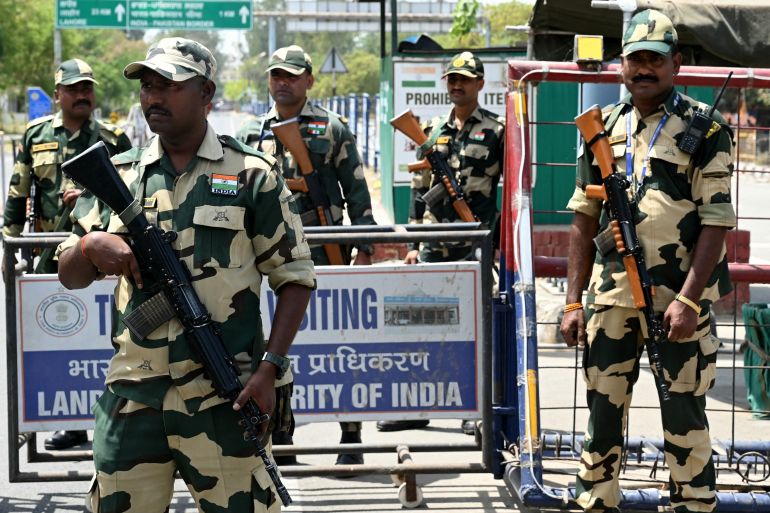
Guinea-Bissau Military Claims Control After Election Turmoil


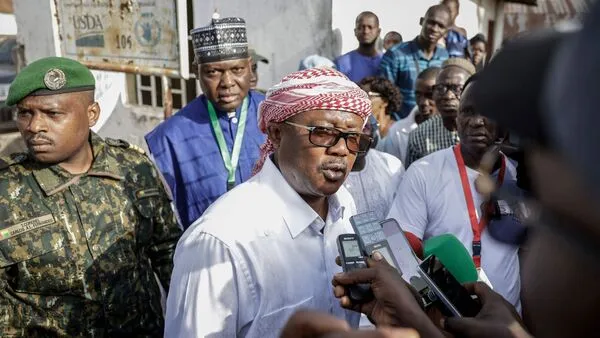
In a dramatic turn of events, military officers in Guinea-Bissau have asserted full control of the country, following unrest that erupted after a closely contested presidential election. The announcement was made on state television on Wednesday, just a day before the electoral commission was expected to release provisional results from the election held on Sunday.
The group, which identified itself as the "High Military Command for the Restoration of Order," declared that it had suspended the electoral process until further notice. They also imposed a curfew and ordered the closure of all land, air, and sea borders.
Gunfire was reported in several locations around the capital, Bissau, including near the presidential palace, the election commission, and the Ministry of the Interior. This prompted widespread panic as residents fled the streets.
President Umaro Sissoco Embalo, who was one of the candidates in the recent election, confirmed in a phone call to France 24 that he had been deposed. "I am currently at the general staff headquarters," he stated, indicating his precarious situation. Reports suggest that he has been arrested, alongside other key political figures, including Domingos Simoes Pereira, the leader of the main opposition party.
Al Jazeera’s correspondent, Nicolas Haque, who was reporting from Senegal, mentioned that Denis N’Canha, a military officer who previously served as the head of the presidential guard, is leading the coup. "The man supposed to protect the president himself has put the president under arrest," Haque noted.
The legitimacy of the election has been questioned by various civil society groups, particularly after the PAIGC party was barred from participating in the presidential race. Despite the election taking place, both Embalo and his main opponent, Fernando Dias, had prematurely declared victory, with little evidence to back their claims. Dias asserted via social media that the election was won outright in the first round.
Guinea-Bissau has a history of political instability, having experienced multiple coups since gaining independence from Portugal in 1974. The country’s last presidential election, held in 2019, resulted in a four-month crisis as both main candidates claimed victory.
In response to the military takeover, regional bodies, including the Economic Community of West African States (ECOWAS) and the African Union, expressed deep concern. In a joint statement, they noted, "It’s regrettable that this [coup] announcement came at a time when the missions had just concluded meeting with the two leading presidential candidates, who assured us of their willingness to accept the will of the people."
The observer missions, which included former presidents from Mozambique and Nigeria, called for the immediate restoration of constitutional order and urged the military to release detained officials to allow the electoral process to continue.
United Nations Secretary-General Antonio Guterres has also expressed his concern regarding the unfolding situation, urging all parties in Guinea-Bissau to exercise restraint and respect the rule of law. The Portuguese government echoed this sentiment, urging all involved to avoid any acts of violence and to allow state institutions to function as intended to complete the electoral process.
Kerala Initiates Probe into 2006 Suicide Case Involving CEC
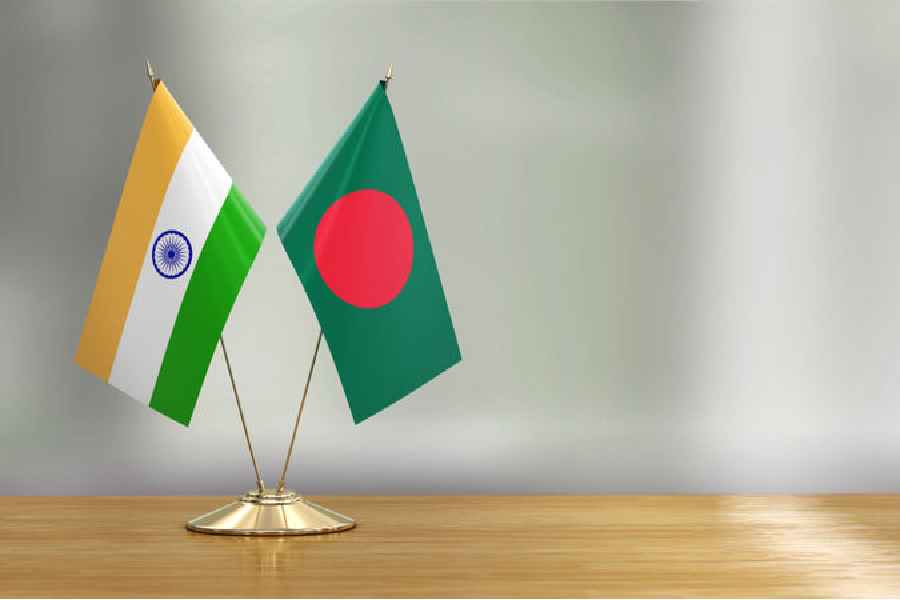
Extradition of Sheikh Hasina Feasible, Says Indian High Commissioner

Punjabi Makeup Artist Mad Sandhu Shot Dead in Amritsar
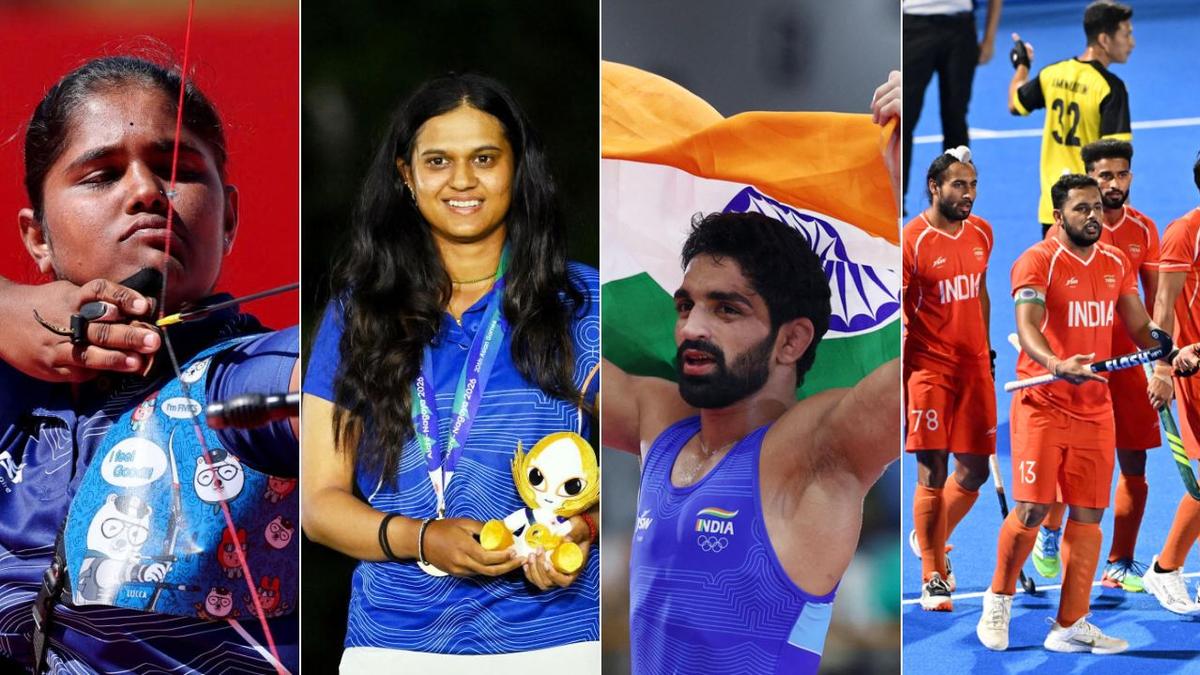
India Achieves Fourth Place at Asian Games 2026 Through Late Success