EU Takes Firm Stance on Trade Imbalance with China


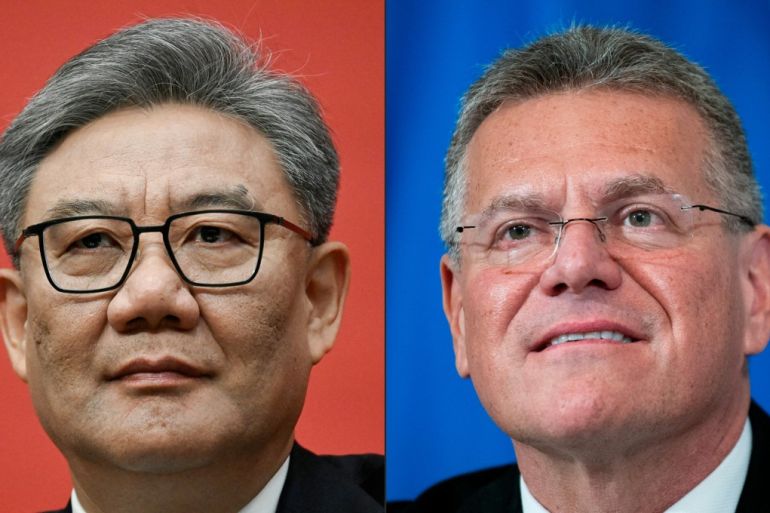
Recent discussions in Brussels between European Union trade commissioner Maros Sefcovic and Chinese Commerce Minister Wang Wentao have emphasised a growing concern over the EU’s trade imbalance with China. The meeting took place as the EU seeks to limit an influx of Chinese imports that have raised alarms among European industries.
Sefcovic expressed frustration over the trend where China’s exports to the EU continue to increase while EU market shares in China diminish. He stated, “This trend is not sustainable. The status quo is not an option,” signalling Europe’s intent to take a firmer stand.
Historically, the EU has portrayed itself as the defender of free trade, countering protectionist tendencies seen in other regions. However, the landscape has shifted as Chinese firms have gained significant ground in Europe, bolstered by extensive subsidies from the Chinese government. European Commission President Ursula von der Leyen previously identified this expansion as a “new China shock.”
While opinions differ among EU member states regarding the appropriate response to the surge of Chinese goods, there is a consensus on the necessity to safeguard local industries. Philippe Le Corre, a professor at ESSEC Business School, highlighted a growing recognition of the risks posed to European businesses, stating, “This is the new normal.”
The imbalance is stark: China’s trade surplus with the EU reached €360.6 billion (approximately $411 billion) in 2025, marking a 15 per cent increase from the prior year. Moreover, Chinese companies have taken over market shares in key industries such as solar technology, rare earth elements, and industrial machinery.
Automotive brands in Europe are among the hardest hit, with Chinese manufacturers increasingly encroaching on the market share of traditional European car makers. Despite existing EU tariffs on Chinese electric vehicles, brands such as BYD, Geely, and Chery are gaining traction. Recent reports indicate that Chinese models accounted for over 10 per cent of total car sales in the EU for the first time in May 2026, according to Dataforce.
The implications for European automotive manufacturers have been transformative. German media outlets reported that Volkswagen is poised to implement significant layoffs, potentially affecting 100,000 jobs. Other luxury brands, such as BMW and Mercedes-Benz, are also contemplating job cuts and restructuring plans to adjust to this new competitive reality.
In response to the EU’s concerns, Chinese officials have rejected claims of encouraging market flooding and indicated potential retaliatory measures if the EU proceeds with protective actions. A social media outlet associated with Chinese state media warned of China’s capability to handle worsening economic ties with Europe, suggesting that while China does not seek a confrontation, it is prepared for one.
To counterbalance the trade dynamics, the EU is considering several measures, including revisions to the Cyber Security Act to limit Chinese involvement in crucial infrastructure, as well as proposals to favour European-made products in procurement processes. New tariffs and duties on imports are also set to be implemented shortly.
Despite the urgency to act, EU leaders aim to avoid escalating tensions that could lead to a trade war. Following the discussions, Sefcovic termed the dialogue with Wang as “constructive” and expressed hope that both parties are making progress in understanding each other's viewpoints.
Together, they announced plans for future talks, focusing on four key areas including export controls and trade balancing. Both sides also agreed to establish a monitoring system to enhance transparency and trust in their trade relations.
European leaders remain cautiously optimistic as they strive for concessions from China that would preserve its access to the EU market while addressing domestic industry concerns. Alicia Garcia-Herrero, chief economist at Natixis, underscored the potential impact of job losses, suggesting that substantive measures are essential given the current stakes for European businesses.
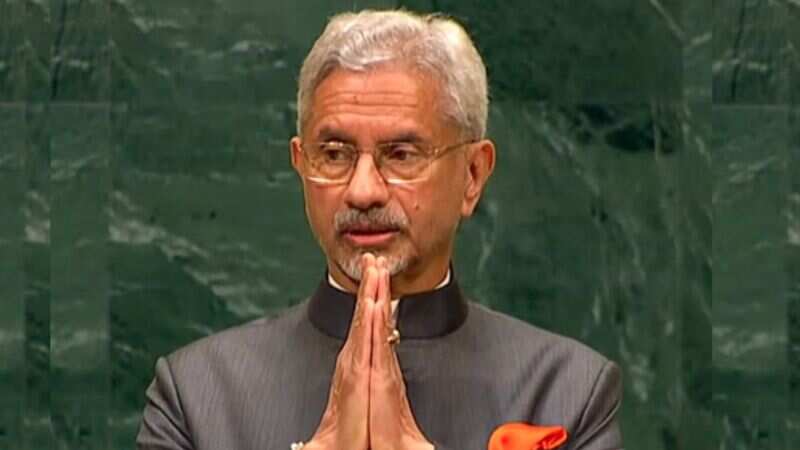
India's Jaishankar Criticises Pakistan at UN General Assembly
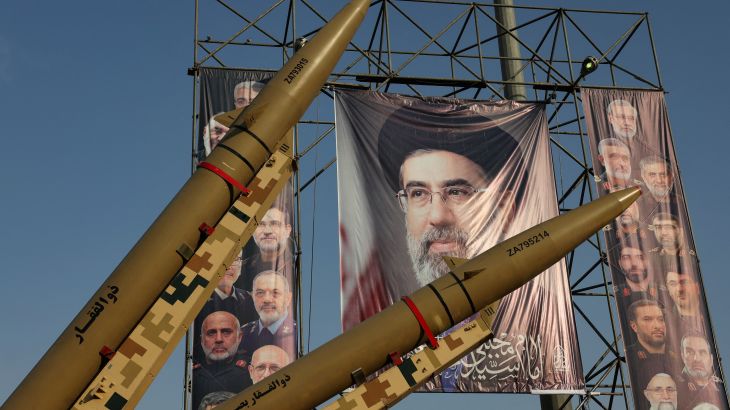
Iran Asserts Readiness for War Amid Rising Tensions in Hormuz
Israeli Prime Minister Netanyahu Makes Unannounced Visit to UAE

World Leaders Gather for Climate Summit, Pledges Made