East to West: The Journey of India's Wildlife Conservation Efforts


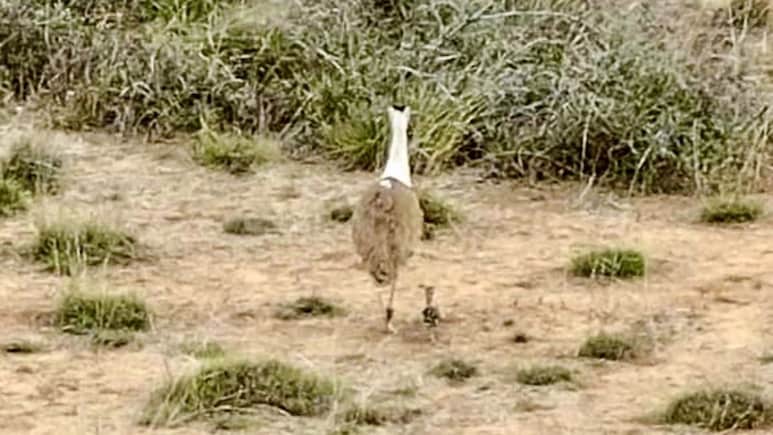
India has made significant strides in wildlife conservation, from the forests of Rajasthan to the salt flats of Gujarat. This comprehensive effort aims at preserving biodiversity and protecting endangered species across diverse habitats. Conservation projects have not only focused on iconic animals like the Asiatic lion but have also addressed the critical need for habitat preservation in a rapidly changing environment.
One of the most notable achievements is the successful relocation programme of the Asiatic lion. Once primarily located in the Gir Forest National Park, the population has expanded thanks to coordinated conservation efforts that include habitat management and the establishment of new territories. These initiatives have facilitated a notable increase in the lion population, contributing positively to the overall ecological balance in the region.
Moreover, the proximity of the Aravalli Range, known for its rich flora and fauna, has augmented the conservation landscape. The protected areas in Rajasthan offer sanctuary to numerous species and promote sustainable tourism, which aids both the economy and conservation funding.
On the other end of the spectrum lies the Rann of Kutch, a harsh desert landscape that supports a unique ecosystem. Here, conservation efforts focus on the Indian wild ass and the migratory birds that visit the region. The transformation of this area into a protected site has raised awareness about the importance of desert habitats in sustaining biodiversity.
The synergy between conservation and community involvement is another critical aspect of successful wildlife protection strategies. Programs that engage local populations in conservation efforts have enhanced awareness and garnered support for wildlife protection initiatives. These initiatives promote ecotourism, providing communities with alternative livelihoods while fostering a sense of ownership over their natural heritage.
Efforts such as these have enabled India to emerge as a model for wildlife conservation. The country's commitment to preserving its natural resources underscores the importance of tailored conservation strategies that consider both biodiversity and human needs. As challenges like climate change threaten wildlife habitats, these combined approaches will be pivotal for future conservation successes.
As environmental pressures mount, maintaining the delicate balance between wildlife conservation and human activities remains a priority. Enhanced collaboration among governments, NGOs, and local communities will ensure the sustainability of these efforts. The ongoing journey reflects a shared responsibility to protect India's rich biodiversity for generations to come.

BJP Allies Urge Election Commission to Address Public Concerns

Thousands of Ganesh Idols Immersed in Telangana Festivities

Jaishankar Calls Attacks on Civilian Shipping ‘Indefensible’

Indian Prime Minister Urges Integration of Social Reforms in Governance