Dhurandhar: The Revenge Delivers Visual Spectacle but Lacks Depth


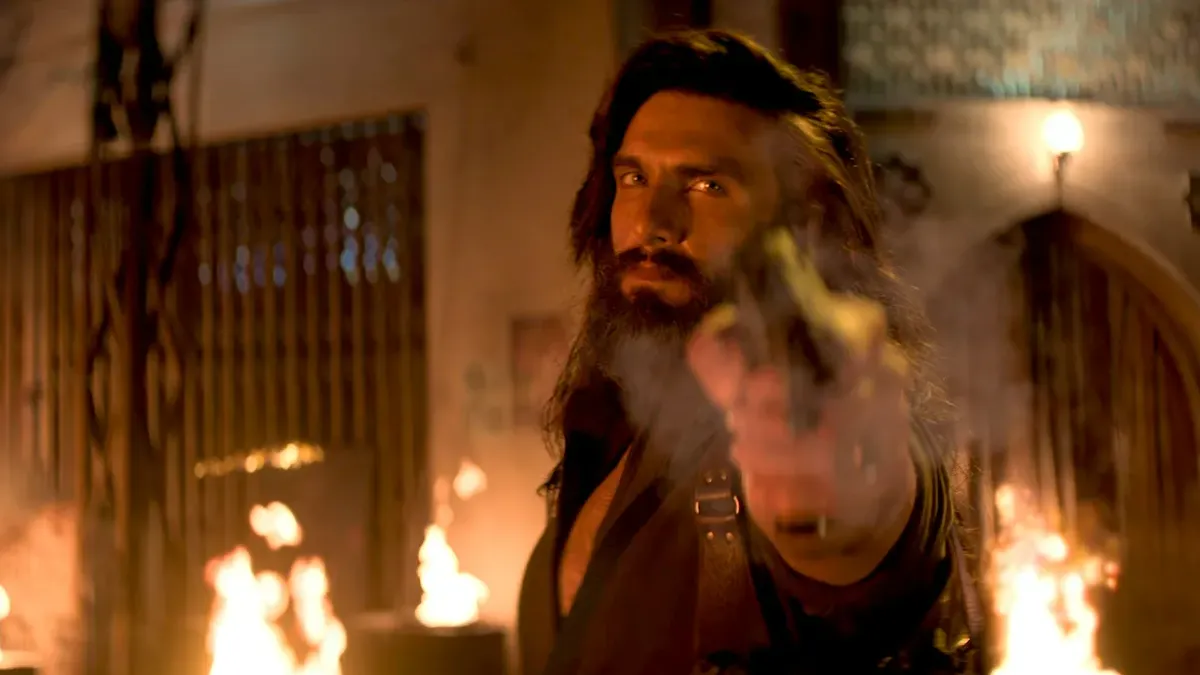
‘Dhurandhar: The Revenge’ has taken the cinematic stage with a grandiose and intense narrative that has divided audiences and critics alike. The sequel to the original film, released on March 19, 2026, attempts to escalate the storyline through heightened violence and dramatic sequences, which may appeal to some viewers but lacks cohesive storytelling.
The film opens with a foreboding remark from a character, indicating that the audience is unprepared for what is to come. However, many may feel quite the opposite after the almost four-hour runtime. Directed by the filmmaker behind the first instalment, the sequel appears focused on maximising sensory experiences rather than maintaining a strong narrative arc.
Ranveer Singh reprises his role as Jaskirat Singh Rangi, an undercover agent. This time, he is deeply embedded in Karachi's criminal underworld as Hamza Ali Mazari, seeking to dominate the power dynamics following the death of a gang leader. The film presents a world rife with chaos, gang wars, and radical elements, combined with a personal vendetta against a backdrop of geopolitical tensions.
Critics have highlighted Ranveer Singh's performance as a standout element of the film. After a relatively subdued role in the original, he showcases a broader range of emotion and intensity. Yet, the film has been critiqued for its excessive focus on violence, overshadowing any potential for character development or depth.
The visual style is undeniably striking, but some viewers may find it overwhelming. The relentless pace and graphic depictions of violence could desensitise the audience, detracting from any emotional resonance intended by the filmmakers. The experience feels more akin to a lengthy web series than a tightly woven feature film, with extended scenes that disrupt the narrative flow.
Additionally, the film has drawn scrutiny for its political undertones, which some interpret as aligning closely with nationalist sentiments. Elements of the storyline suggest an endorsement of controversial government policies, such as demonetisation, and feature portrayals of Pakistani individuals that blur distinctions between nations. This narrative strategy achieves a tonal shift that seems politically charged, raising concerns about oversimplified depictions of complex issues.
Despite its entertainment value, the film risks reducing nuanced geopolitical discussions into stark dichotomies, veering towards jingoism rather than contributing to a meaningful dialogue. The portrayal of government agents operating covertly abroad and extra-judicial measures raises questions about the ethical implications behind such narratives.
Amidst the action and drama, subplots featuring characters like Major Iqbal and SP Chaudhary Aslam serve to challenge the protagonist, yet at times, they rely heavily on common tropes without genuine development. While the film aims to engage with themes of nationalism and patriotism, it does so at the expense of a more layered storyline.
In conclusion, ‘Dhurandhar: The Revenge’ presents a visually stunning, yet narratively shallow experience. It showcases certain performances, particularly Ranveer Singh's, but suffers from a lack of coherence and depth. The film’s excessive violence and politically charged messaging may resonate with some, while others might find it tiresome and overly indulgent.
As Indian cinema continues to explore themes around power and identity, films like ‘Dhurandhar: The Revenge’ may spark discussions about the responsibilities of filmmakers in balancing entertainment with a thoughtful portrayal of reality.
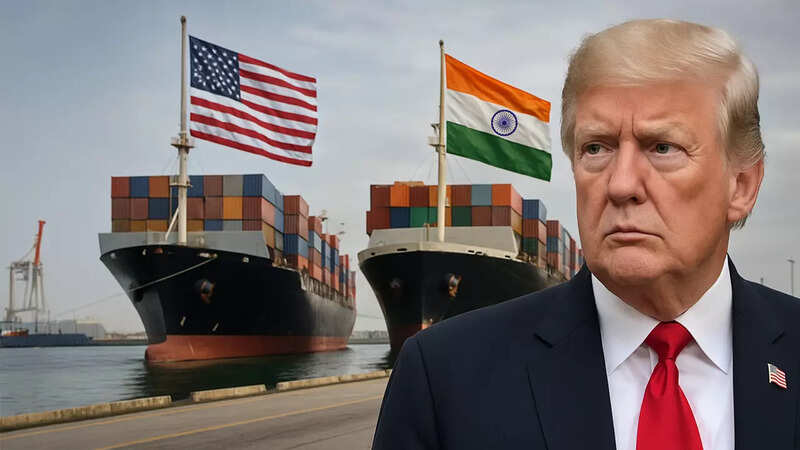
Impact of Trump's Tariff Law on India's Oil Imports and Trade
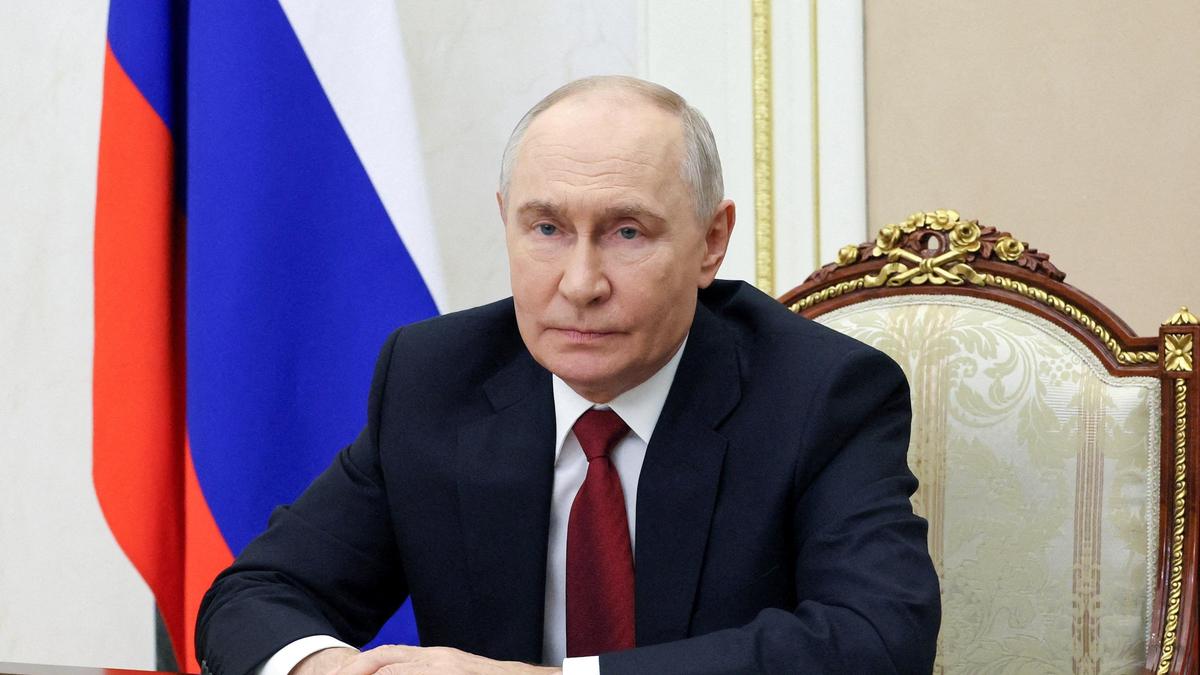
United Russia Party Secures Supermajority Despite Ukraine Conflict
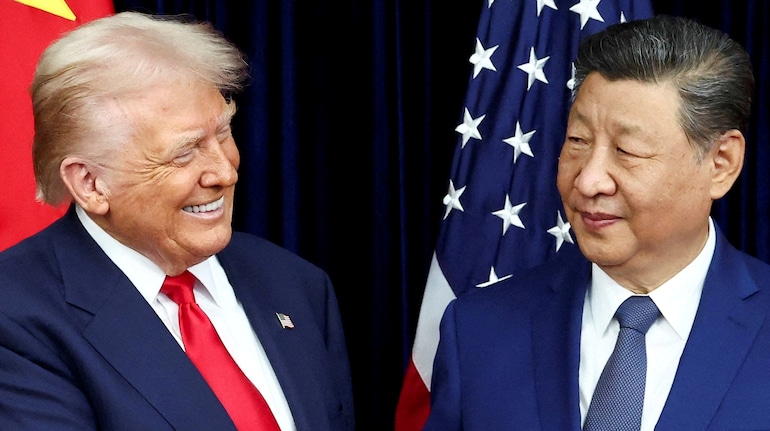
Xi Jinping's US Visit Planned Amid Economic Tensions with Trump
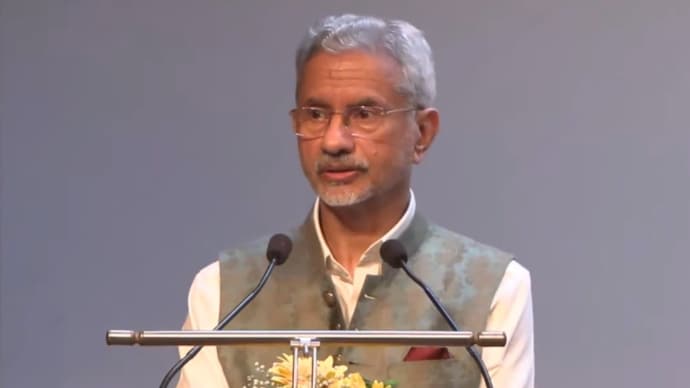
India's External Affairs Minister to Address UNGA Amid US Tariff Changes