Delhi Government Unveils Rs 15,000 Crore Electric Vehicle Policy


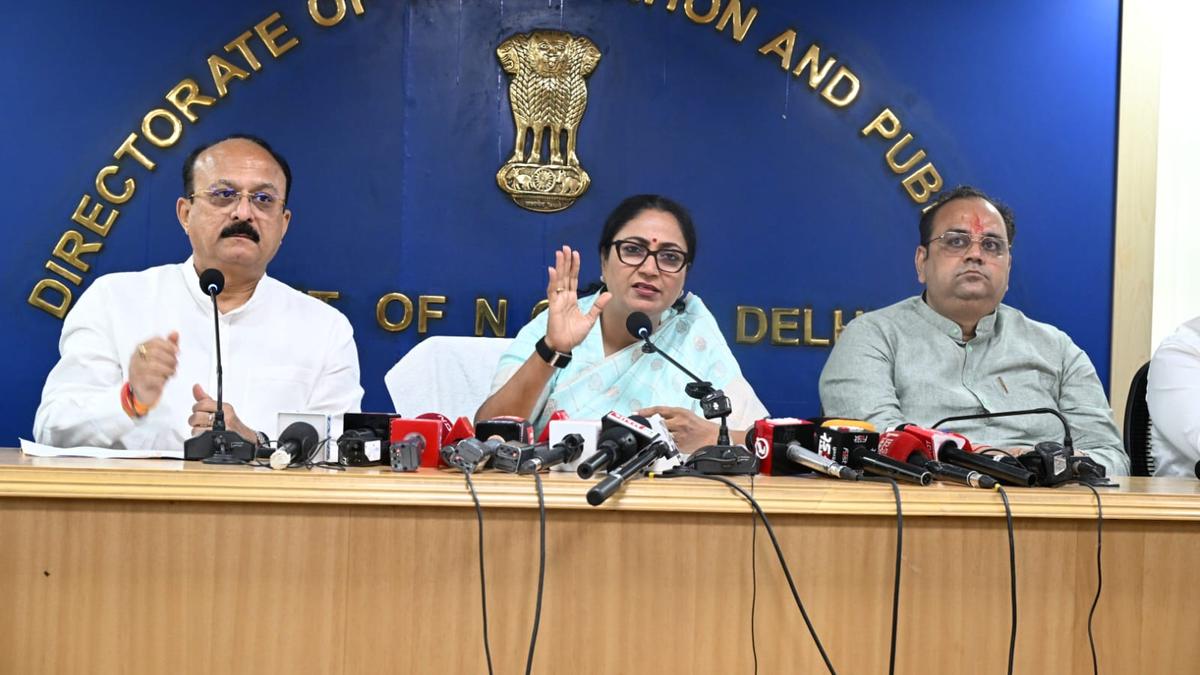
The Delhi government has approved a new electric vehicle policy with a budget of Rs 15,000 crore, set to take effect on July 1, 2026. The policy aims to reduce vehicular emissions significantly and will remain in place until March 31, 2030. Delhi Chief Minister Rekha Gupta announced the initiative, stating that the funding will be allocated over the next four years to enhance electric mobility in the city.
The policy outlines specific measures targeting the significant sources of pollution, including commercial vehicles and two and three-wheelers, which together account for a large percentage of emissions in Delhi. Transport Commissioner Niharika noted that 33% of the pollution results from commercial goods-carrying vehicles, while two and three-wheelers contribute to 46% of the pollution.
To encourage the transition to electric vehicles, the government will provide purchase incentives for two-wheeler and three-wheeler electric vehicles in the first three years. Buyers will receive incentives of Rs 30,000 in the first year, Rs 20,000 in the second year, and Rs10,000 in the third year for two-wheelers. For three-wheelers, the incentives will be Rs 50,000, Rs 40,000, and Rs 30,000 respectively. Additionally, commercial trucks classified as N1 will receive a Rs 1 lakh subsidy in the first year.
The policy also establishes scrapping incentives for older vehicles. In terms of scrapping, Rs 10,000 will be awarded for two-wheelers, Rs 25,000 for three-wheelers, and Rs 50,000 for N1 trucks if owners transition to electric models. Gramin Seva Units, which tend to serve rural areas, will receive Rs 15,000 as a part of scrapping incentives.
From January 1, 2027, the registration of three-wheelers and N1 trucks will solely be for electric models. Furthermore, the deadline for two-wheelers will be April 1, 2028. School buses will also be mandated to convert at least 10% of their fleet to electric within two years of the policy’s notification.
The Delhi government’s plans include the installation of 32,000 electric vehicle charging points over the next four years, funded through PM e-Drive initiatives as well as the state government’s budget. Owners of BS-IV compliant four-wheelers who scrap their vehicles will also be eligible for a Rs 1 lakh incentive if they switch to electric vehicles. Officials have clarified that no subsidies will be offered for hybrid vehicles.
To facilitate the application process for electric vehicle incentives, a dedicated online portal will be established. With the implementation of this policy, Delhi aims to create a pollution-free urban environment by achieving zero emissions from vehicles by 2030. According to government records, 470,104 electric vehicles were registered in Delhi as of March 2026, the numbers of which are expected to rise significantly under this new initiative.
BJP Allies Urge Election Commission to Address Public Concerns

Thousands of Ganesh Idols Immersed in Telangana Festivities
Jaishankar Calls Attacks on Civilian Shipping ‘Indefensible’
Indian Prime Minister Urges Integration of Social Reforms in Governance