Sunjay Kapur Will: Delhi High Court Allows Inspection


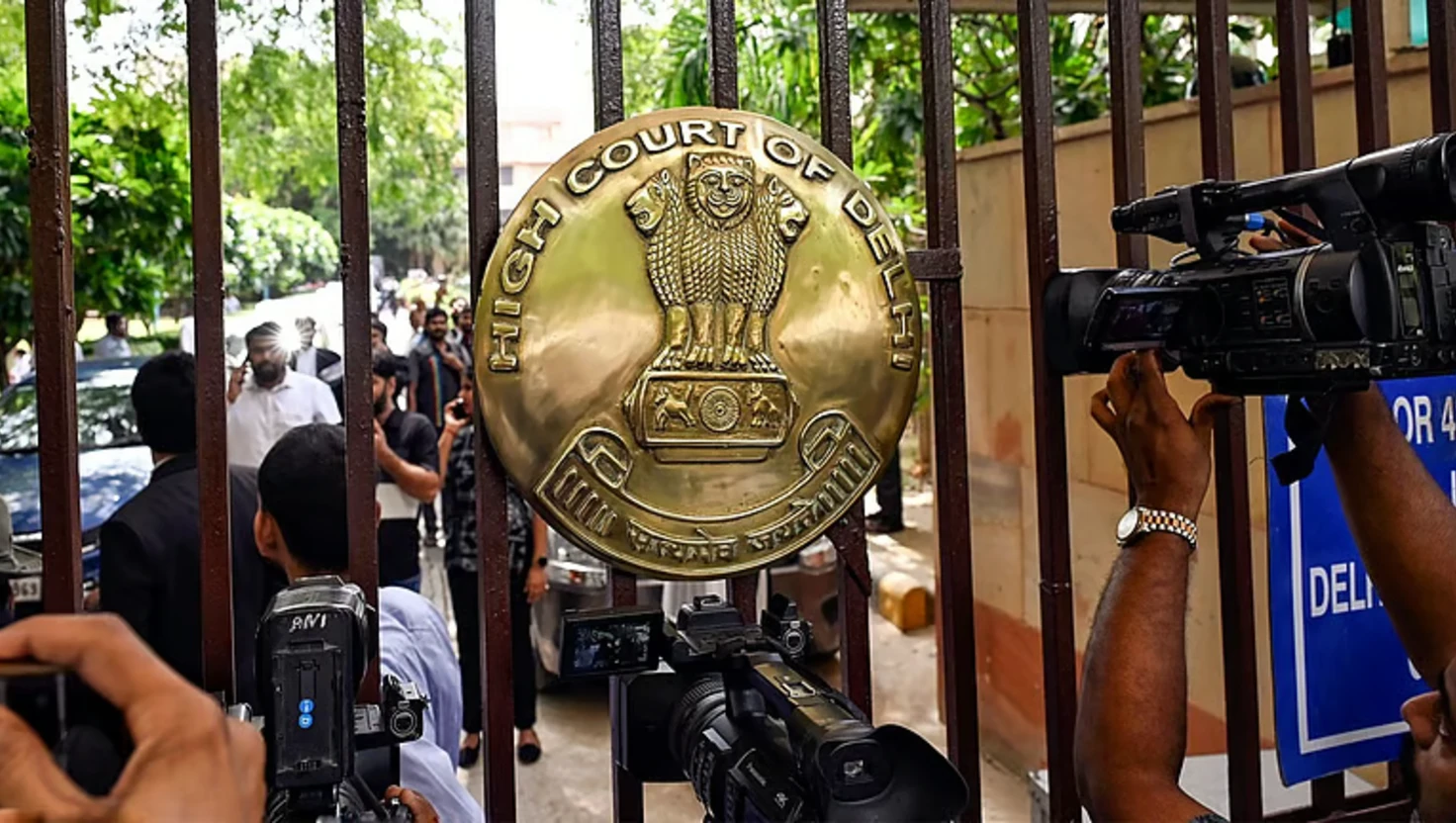
The Delhi High Court has allowed the children of actor Karisma Kapoor and late businessman Sunjay Kapur, along with his mother Rani Kapur, to inspect the original version of a disputed will at the centre of an ongoing inheritance case.
In an order issued by Joint Registrar Gagandeep Jindal, the court directed that the document, currently kept in a sealed cover with the court registry, may be examined on 10 March at 3pm in the presence of authorised legal representatives from all sides.
Inspection under court supervision
According to the court order, counsel representing the children of Sunjay Kapur and Karisma Kapoor, as well as Rani Kapur, may inspect the original will to assess its authenticity. The inspection is to take place in the presence of counsel for Priya Kapur, Sunjay Kapur’s third wife.
The court specified that no photographs or copies of the document would be permitted during the inspection. If Priya Kapur’s legal representatives fail to attend at the scheduled time, the inspection may proceed in their absence, the order stated.
The will has become the focal point of a legal dispute among members of the Kapur family following the businessman’s death.
Arguments over authenticity
During proceedings, lawyers for the children and Rani Kapur argued that examining the original document was necessary to verify whether it was genuine. Although a copy of the will had previously been shared, they maintained that only inspection of the original could confirm its validity.
They also sought permission to involve forensic or handwriting experts during the inspection to help determine their legal strategy in the case.
Counsel for Priya Kapur opposed the request. They argued that the application was premature and that any forensic review should occur at a later evidentiary stage in the trial. It was further contended that the Joint Registrar did not have the authority to grant such an inspection.
Court rejects confidentiality objections
The court rejected those objections. In its order, it noted that placing a document in a sealed cover does not automatically prevent inspection under the Delhi High Court Rules, unless a specific confidentiality direction has been issued.
The order observed that no prior judicial instruction had barred access to the will. As a result, the registrar was empowered to permit inspection under established procedures.
The court’s decision marks a significant procedural step in a dispute reportedly involving an estate valued at tens of thousands of crores of rupees, though the precise value has not been confirmed in court documents.
Background to the dispute
Sunjay Kapur, an industrialist with business interests across sectors, died leaving behind a contested will. His family members have since approached the High Court to challenge the document’s validity.
According to filings referenced during hearings, the will allegedly transfers a substantial portion of the estate to Priya Kapur and her son. The petitioners have raised concerns about alleged inconsistencies and have questioned whether the document reflects the true intentions of the deceased.
The High Court has not yet ruled on the merits of the claims. The current order concerns only access to the original will for inspection.
Legal experts say that forensic examination of a disputed will can involve analysis of handwriting, signatures, ink and paper, and may play an important role in determining authenticity. However, such findings would still need to be considered by the court before any final determination.
Next steps
Attention now turns to the scheduled inspection on 10 March. The outcome of that process may influence the subsequent legal strategy of the parties involved.
Further hearings are expected after the inspection is completed. Until then, the dispute over Sunjay Kapur’s estate remains under judicial consideration.
The case highlights the procedural safeguards Indian courts employ in inheritance disputes, particularly where large estates and competing claims are involved.
Kerala Initiates Probe into 2006 Suicide Case Involving CEC

Extradition of Sheikh Hasina Feasible, Says Indian High Commissioner

Punjabi Makeup Artist Mad Sandhu Shot Dead in Amritsar
India Achieves Fourth Place at Asian Games 2026 Through Late Success