Pakistan-Afghanistan Clashes Escalate After Kabul Air Strikes


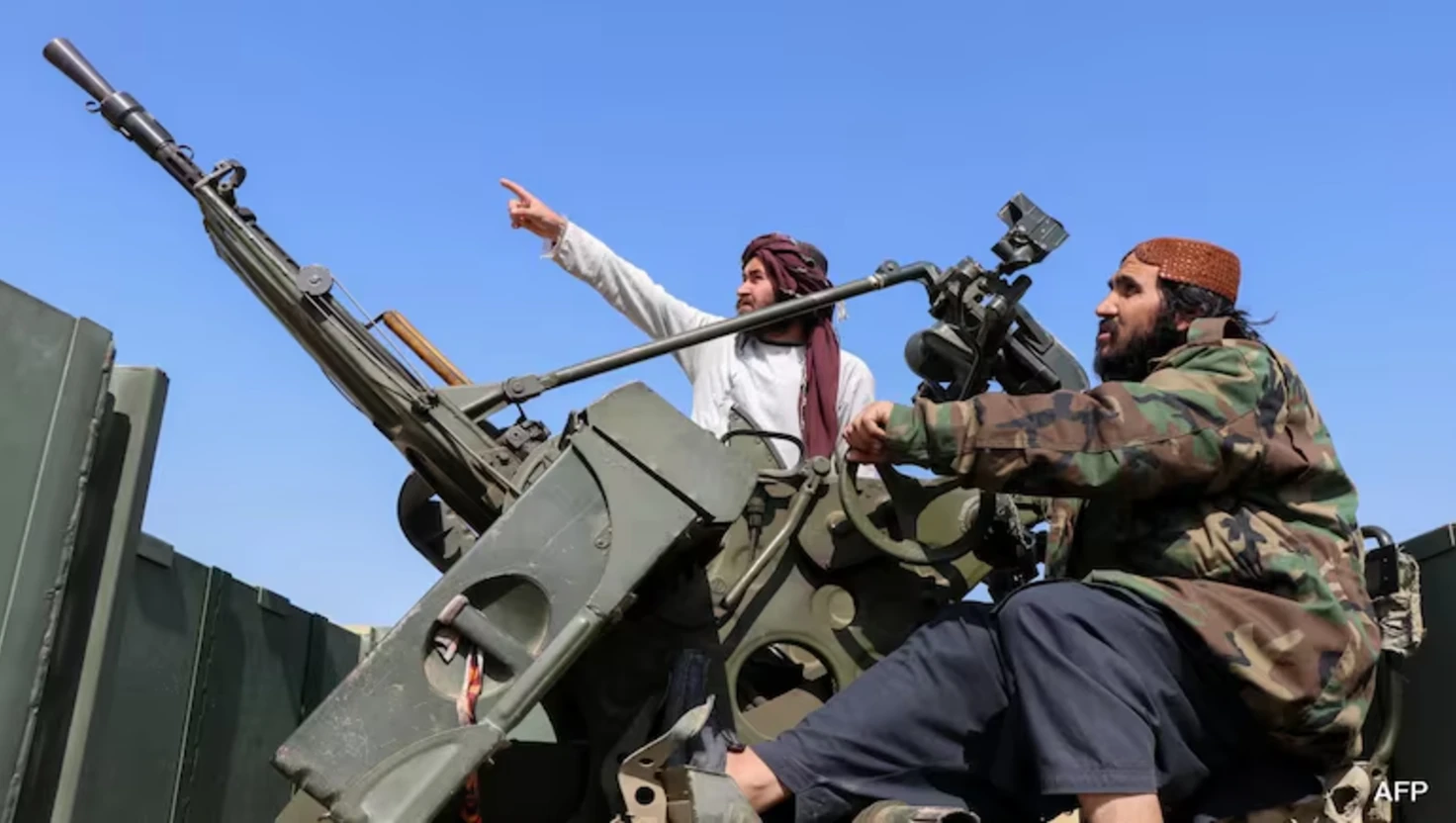
Pakistan and Afghanistan have entered their most serious military confrontation in years, with Pakistani warplanes striking targets in Kabul and other Afghan cities as both governments claim significant casualties.
Pakistan’s Defence Minister Khawaja Asif said on Friday that his country was now engaged in what he described as “open war” following cross-border attacks earlier this week. Afghan authorities said they had also carried out air strikes and ground operations against Pakistani military positions.
Air Strikes and Cross-Border Fire
Pakistan’s military said it had launched operations inside Afghanistan on the instructions of Prime Minister Shehbaz Sharif, targeting what it described as Taliban positions. According to the military, 22 locations were struck.
Officials in Islamabad said 274 Afghan Taliban fighters had been killed and more than 400 injured. They added that 83 Taliban posts had been destroyed and 17 captured. Pakistan reported that 12 of its own soldiers had been killed, 27 injured and one was missing.
Afghanistan’s Ministry of Defence disputed Pakistan’s account. It said its forces had killed 55 Pakistani soldiers in operations that concluded around midnight on Friday, claiming that several had been captured alive. Afghan officials said eight of their soldiers had died and 11 were wounded.
The casualty figures from both sides could not be independently verified.
Afghan government spokesperson Zabihullah Mujahid said Pakistani aircraft had struck locations including Kabul, Kandahar, Paktia and Jalalabad. In a statement, he alleged that civilian areas were hit, including a family home and a religious school.
Mr Mujahid said Afghanistan wanted dialogue to end the fighting. “We have repeatedly emphasised a peaceful solution, and still want the problem to be resolved through dialogue,” he told a news conference, adding that Pakistani reconnaissance aircraft remained in Afghan airspace.
Pakistan’s Information Minister Attaullah Tarar said that drones launched by Pakistani Taliban fighters had been intercepted by anti-drone systems, with no loss of life reported on the Pakistani side.
Earlier Operations and Rising Tensions
The escalation followed Afghan claims that it had carried out large-scale operations against Pakistani military installations along the shared border on Thursday. Kabul said it destroyed 19 Pakistani posts and two bases in those attacks.
Islamabad had previously conducted air strikes earlier in the week, saying it targeted camps belonging to the Pakistan Taliban and fighters linked to the armed group known as Islamic State in eastern Afghanistan.
Relations between the two neighbours have deteriorated sharply in recent months. Pakistan has repeatedly accused the Taliban authorities in Kabul of allowing the Pakistan Taliban, a separate but ideologically aligned group, to use Afghan territory to launch attacks across the border.
Mr Asif said Pakistan had exhausted diplomatic efforts. “Pakistan made every effort to keep the situation normal,” he said, adding that the country’s “cup of patience has overflowed”.
Afghanistan’s former president Hamid Karzai wrote on social media that Afghans would defend their homeland and called on Pakistan to pursue “good neighbourliness” instead of confrontation.
Regional and International Response
The violence has prompted concern from regional powers. China’s Foreign Ministry said it was closely monitoring developments. Spokesperson Mao Ning described both countries as China’s neighbours and expressed deep concern over the casualties.
She called on both sides to exercise calm and restraint, resolve disputes through dialogue and reach a ceasefire as soon as possible.
Diplomatic sources and regional media reported that Russia, Turkiye and Saudi Arabia were also attempting to mediate, while Iran, which borders both countries, has offered assistance.
Zalmay Khalilzad, a former United States ambassador to Afghanistan, warned that continued tit-for-tat attacks would worsen instability. He said a more sustainable solution would be a formal agreement under which neither country allows its territory to be used to threaten the other’s security.
Security analysts say the latest clashes represent a significant intensification of hostilities. Elizabeth Threlkeld of the Stimson Center, a Washington-based policy institute, said the escalation followed months of deteriorating ties and recent attacks inside Pakistan.
“It is significant to the extent that it represents perhaps a shift in strategy,” she said, pointing to what she described as more aggressive military action by Pakistan.
Historical Context
Pakistan and Afghanistan share a long and porous border that has been a source of tension for decades. Disputes over militant sanctuaries and cross-border violence have frequently strained relations.
In October, earlier clashes left dozens of soldiers dead before a ceasefire was reached. The current confrontation appears broader in scope, with air strikes reported in major cities and sustained artillery exchanges along frontier areas such as Torkham.
Both governments have framed their actions as defensive. Pakistan says it is responding to attacks on its military positions and civilian areas. Afghan officials argue they are countering aggression from across the border.
As fighting continues, international appeals for de-escalation are intensifying. Whether diplomatic efforts can prevent a prolonged conflict between the two neighbours remains uncertain.
Kerala Initiates Probe into 2006 Suicide Case Involving CEC

Extradition of Sheikh Hasina Feasible, Says Indian High Commissioner

Punjabi Makeup Artist Mad Sandhu Shot Dead in Amritsar

India Achieves Fourth Place at Asian Games 2026 Through Late Success