Venezuela Becomes India's Third-Largest Oil Supplier Amid Global Tensions


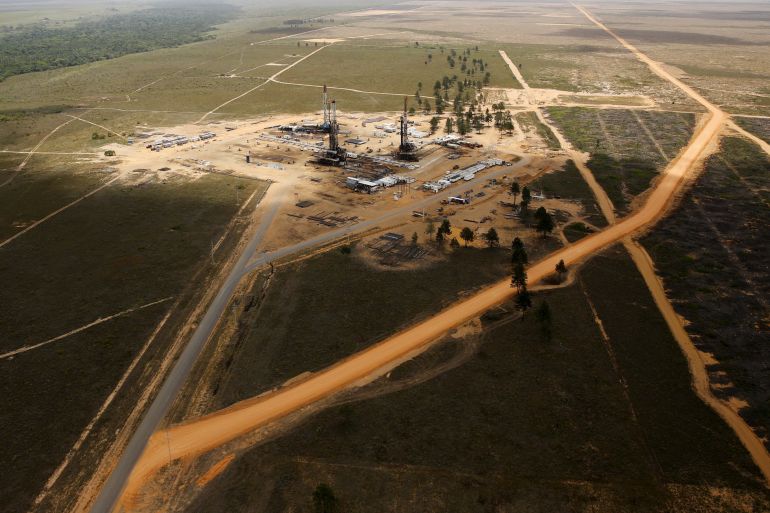
In a significant development, Venezuela has taken the position of India's third-largest supplier of crude oil in May 2026, surpassing both Saudi Arabia and the United States. This change comes as Indian refiners seek less expensive alternatives amidst ongoing disruptions in the global oil market. Data from the energy cargo tracking service Kpler indicates that Venezuela supplied approximately 417,000 barrels per day (bpd) of crude to India in May, a notable increase from the 283,000 bpd recorded in April. Notably, Venezuela had not exported crude to India for nine consecutive months prior to this surge.
The shift in sourcing strategy is occurring in the context of heightened geopolitical tensions, particularly due to the conflict in West Asia and disruptions surrounding the Strait of Hormuz, a crucial channel for oil transport. Consequently, only Russia and the United Arab Emirates provided more crude to India than Venezuela in May.
The primary factor driving this increase in Venezuelan imports is pricing. Venezuelan crude currently holds a lower price point compared to several other oil grades globally, making it particularly appealing to Indian refiners who are grappling with high oil prices and geopolitical uncertainties. Nikhil Dubey, Lead Analyst - Refining at Kpler, stated in The Economic Times that “Indian buyers have historically shown strong interest in Venezuelan barrels due to their attractive economics and compatibility with complex refining systems.”
Reliance Industries, one of India's largest refiners, is a significant purchaser of Venezuelan crude, as it requires heavy and high-sulphur oil types that are well-suited to its Jamnagar refinery in Gujarat. While most Indian refiners can only process limited quantities of Venezuelan oil, Reliance's advanced facilities place it at a competitive advantage.
Overall, India's crude oil imports increased by 8% month-on-month in May, reaching approximately 4.9 million bpd, although this remains below the 5.2 million bpd seen in February before disruptions began in the wake of the Iran conflict. The closure of the Strait of Hormuz earlier this year had severely impacted oil deliveries from prominent Middle Eastern suppliers. While some shipments from Iraq have resumed, Indian imports from that country have dropped significantly to about 51,000 bpd in May compared to almost 969,000 bpd in February.
India had, albeit briefly, resumed oil imports from Iran in April following a relaxation of US sanctions, marking the first such shipment in nearly seven years. However, these imports have since ceased, with no Iranian oil arriving in India this month due to the US naval blockade surrounding Iranian ports amid the continuing unrest.
As traditional suppliers like Saudi Arabia have seen their shipments to India nearly halve—from 670,000 bpd in April to around 340,000 bpd in May—Indian refineries are left to find alternative sources. Analysts attribute the decrease in Saudi supplies to competitive pricing by Venezuelan producers. Nikhil Dubey mentioned, “This happened primarily due to the aggressive pricing of Saudi barrels.”
India, ranking as the world’s third-largest importer and consumer of crude oil, remains highly reliant on imports to meet its energy requirements. This ongoing realignment in sourcing tactics underscores the impact of geopolitical tensions, sanctions, and fluctuating oil prices on Indian refineries as they strive for diversification in their supply chains.
In addition, the rise of Venezuelan oil imports comes at a time when fuel prices for petrol and diesel in India are climbing, the Indian rupee has significantly weakened, and inflation concerns are mounting due to the volatility in crude prices. For Indian refiners, access to more affordable Venezuelan oil could provide some much-needed relief amid these challenges.
Kerala Initiates Probe into 2006 Suicide Case Involving CEC

Extradition of Sheikh Hasina Feasible, Says Indian High Commissioner

Punjabi Makeup Artist Mad Sandhu Shot Dead in Amritsar

India Achieves Fourth Place at Asian Games 2026 Through Late Success