US States Initiate Legal Action Against Trump's Tariffs


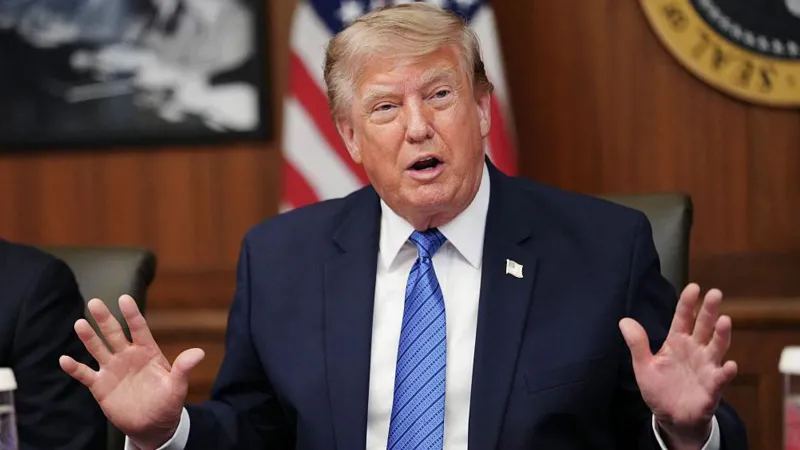
A group of 25 states in the United States has filed a lawsuit against President Donald Trump's administration in response to a series of tariffs imposed on several countries. The tariffs, which range from 10% to 12.5%, were introduced under the assertion that these trading partners—including the United Kingdom, China, and the European Union—failed to adequately combat forced labour practices. The states, primarily led by Democratic officials, have described the decision as 'arbitrary, capricious, and contrary to law'. White House spokesperson Kush Desai defended the tariffs, asserting that they were a lawful measure to address the challenges faced by American businesses due to unfair foreign practices. He described the situation involving imported goods made with forced labour as 'unreasonable' and emphasized that it requires action. Implemented in July, these tariffs were enacted under Section 301 of the 1974 US Trade Act, which is designed to target nations accused of utilising forced labour in production. The Office of the US Trade Representative has stated that these tariffs will apply to 99.4% of all US imports. The use of Section 301 by former President Trump was previously applied to China, with similar tariffs remaining intact despite various legal challenges. Desai expressed confidence in the legality of these actions, stating, 'Section 301 tariffs have proven to be a legally durable tool since the president's first term, and they remain so now.' In the lawsuit, it is argued that the Trump administration is 'using forced labour as a pretext to continue its illegal tariff scheme'. The plaintiffs contend that the tariffs are excessively broad and diverge from the intended goals of the statute used to justify their implementation. They highlighted that, historically, a Section 301 investigation targeting a single economy typically takes longer than the brief two months taken for this broad-based investigation, which involved 60 trading partners. New York Governor Kathy Hochul articulated concerns regarding the financial burden on families caused by these tariffs, stating, 'President Trump's illegal tariffs are nothing more than a tax on hardworking families.' Similarly, Oregon's Attorney General Dan Rayfield accused Trump of trying to further destabilize the economic landscape for working families and local businesses, stating, 'We're all paying the price for these unlawful tariffs, not foreign governments.' Several nations affected by these tariffs have voiced their disapproval. Brazil and Japan have both described the measures as 'unjustified', while China's foreign ministry spokesperson Mao Ning referred to the tariffs as an 'excuse for political manipulation'. The US and China have engaged in a trade war, marked by reciprocal tariff impositions, although this escalation is currently at a standstill. Analysts are scrutinising the practicality of countries proving compliance with forced labour regulations, pointing out that the legal challenge may significantly contest the Trump administration's tariffs. Alex Capri, a business lecturer at the National University of Singapore, noted the absence of credible evidence suggesting that foreign countries have adversely affected US businesses by violating these forced labour standards. He anticipates that the tariffs may be alleviated as the judicial process unfolds. The lawsuit reflects ongoing controversies surrounding trade policies introduced by Trump since he returned to office in January 2025. Earlier trade measures, branded as 'Liberation Day' tariffs, were largely invalidated by the US Supreme Court, which ruled that sweeping tariffs cannot bypass established legal frameworks. Hochul remarked that the Supreme Court has unequivocally indicated that this administration must adhere to legal stipulations when imposing tariffs. This court ruling resulted in significant refunds for companies that had paid the previous tariffs. Trump continues to assert that such tariffs are essential for safeguarding American workers and reinforcing the domestic economy. The tariffs that faced judicial rejection were initially substituted with a temporary 10% tax on all global imports, which lapsed in July. There remains the possibility of additional tariffs as the US is currently scrutinising 16 countries for alleged manufacturing overcapacity. The legal actions and ensuing debates illustrate a critical juncture in US trade policy and its intended impacts on domestic and foreign trade relations.
US Approves Visa for Iranian Delegation Amid Ongoing Conflict

Election Commission Restricts TMC Use of Name and Symbol in Bypolls
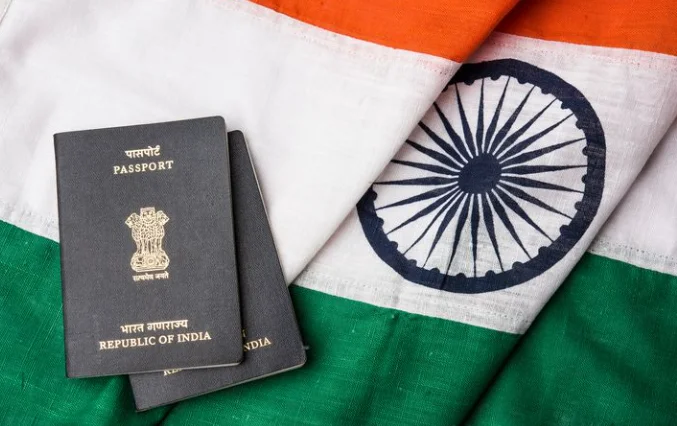
India Revises Passport Rules for Minors Under 15 Years Old

World's Highest Flower Fields Open in Leh, Ladakh at 10,600 Feet